Authorities in Europe are keen to tackle overtourism and raise money for public services.
Holidaymakers heading to Europe this year could face a series of new or increased tourist taxes, with several major cities introducing fresh fees for overnight stays. The charges, often added directly to hotel bills, are being introduced across the continent as authorities try to tackle overtourism and raise money for public services.
Governments across Europe say the charges are needed to manage record visitor numbers, protect historic sites and fund tourism infrastructure. But critics warn the growing list of fees could make European city breaks significantly more expensive for travellers - particularly for families staying several nights. Below is a list of some of the destinations introducing or increasing tourist taxes in 2026.

Brussels has increased its existing tourist tax from the start of 2026.
Visitors staying in hotels now pay €5 per night, up by €1 compared with previous years, while guests in homestays or campsites pay around €4 per night.
The levy applies to each accommodation unit, defined as "a bedroom or a space arranged for sleeping".

Barcelona has significantly raised its visitor levy, with the combined city and regional tax expected to reach up to €15 per night for higher-end accommodation in the coming years, equating to roughly £13.
This is up from a current rate of €12.50 per night and comes ahead of a planned ban on all short-term rental accommodation by 2028.
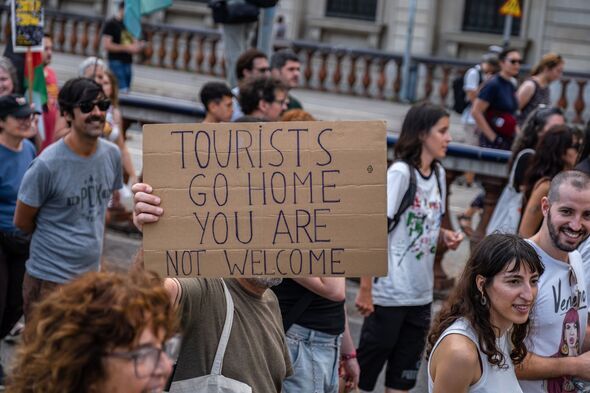
The city has been tightening tourism rules amid protests by local residents about overcrowding, anti-social behaviour and rising housing costs.
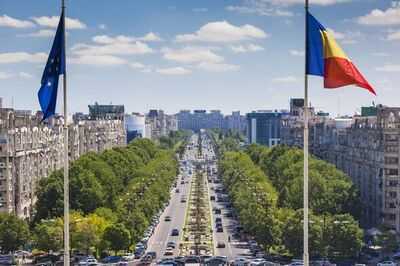
Bucharest is introducing a new flat tourist tax in 2026, charging visitors 10 Romanian lei (£1.70) per night regardless of the price of their accommodation.
The levy will be collected by hotels, short-term rental platforms and travel agencies with those who fail to pay potentially liable for a fine of up £254.
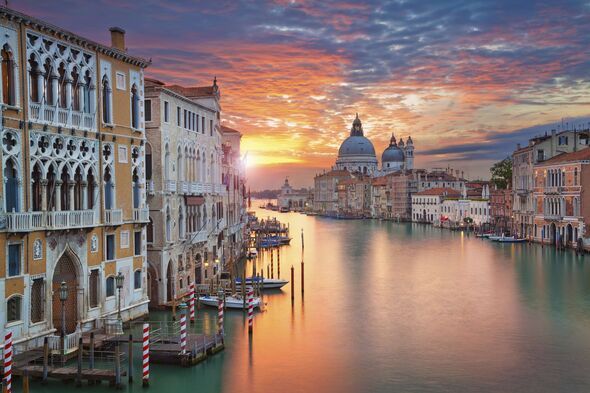
Venice is one of Europe's most popular tourist destinations and will continue to expand its controversial tourism charges.
In addition to overnight accommodation taxes, the city has introduced day-trip entry fees for visitors entering the historic centre in a bid to reduce overcrowding.
Daytrippers will be required to pay from Friday to Sunday in April, May, June, and July. Fees are expected to be in force during peak hours from 8.30am until 4pm while access outside of those hours will be free.
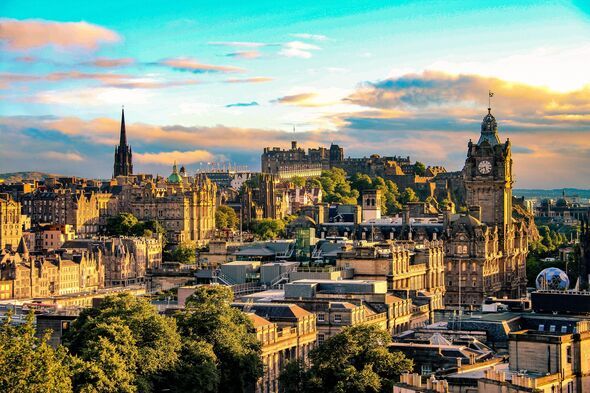
Edinburgh City Council has approved plans to introduce a "Transient Visitor Levy" from 2026.
Under the scheme, visitors staying in hotels, B&Bs, hostels and short-term rentals such as Airbnbs will pay a 5% charge on the cost of their room per night.
The levy will apply for up to seven consecutive nights and is due to come into force on 24 July 2026, covering bookings made from October 2025 onwards.

Norway has approved a new tourism levy allowing municipalities to impose a 3% tax on overnight stays in areas heavily affected by tourism.
Local authorities will decide whether to introduce the charge, meaning some destinations may choose not to apply it. The levy will be added to accommodation bills, though tents and caravans will be exempt.
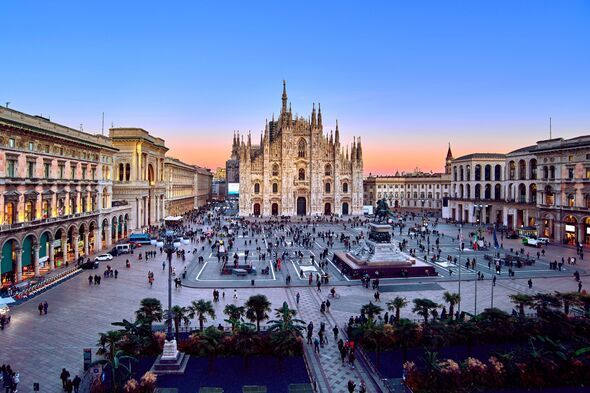
Milan increased its tourist tax at the start of the year as part of efforts to fund infrastructure ahead of the Winter Olympic Games. In 2026, the higher charges are expected to apply to accommodation located within 30km of Olympic venues.
The rate varies by accommodation type and is charged for up to the first 14 consecutive nights of a stay.
Visitors staying in four- and five-star hotels may pay as much as €10 per night, while guests in one- to three-star hotels, B&Bs and holiday rentals face charges ranging from €3 to €9.50 per night.
Contact to : xlf550402@gmail.com
Copyright © boyuanhulian 2020 - 2023. All Right Reserved.