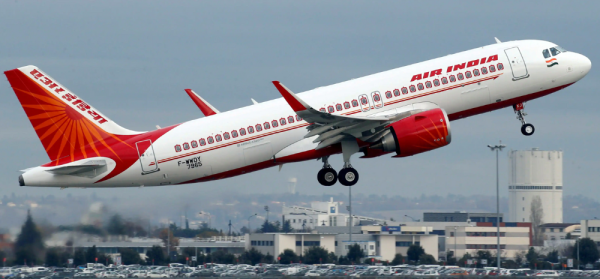
In a major operational lapse, an Air India flight bound for Vancouver was forced to return mid-air after the airline deployed the wrong Boeing aircraft—triggering inconvenience for passengers and raising serious questions about internal checks.
What Exactly Happened?
On March 19, 2026, Air India flight AI185 took off from Delhi to Vancouver with a full load of passengers. However, several hours into the journey—after entering Chinese airspace—the airline realized a critical mistake.
The aircraft used for the route did not have regulatory clearance to operate into Canadaforcing the flight to turn back mid-air.
The plane reportedly flew for over 4–9 hours before returning safely to Delhi, making it a long and frustrating journey for passengers with no destination reached.
The Core Issue: Aircraft Clearance Mismatch
The problem wasn’t mechanical—it was regulatory.
Air India had approval to operate its Boeing 777-300ER aircraft on Canadian routes, but instead deployed a Boeing 777-200LRwhich lacked the required clearance.
International aviation rules are strict, and approvals are often aircraft-specificnot just airline-specific. Even a technically capable aircraft cannot land in a country without proper authorization.
Why This Mistake Is Serious
This incident highlights a critical operational oversight. Assigning the wrong aircraft on a long-haul international route points to gaps in planning, compliance checks, or communication within the airline.
Such errors are rare but costly. A Boeing 777 consumes massive fuel—meaning a near 9-hour return flight results in significant financial losseswasted resources, and logistical disruption.
Beyond cost, the reputational impact is equally important, especially as Air India is undergoing transformation under the Tata Group.
Impact on Passengers and Operations
Passengers onboard experienced long delays, discomfort, and uncertainty after flying hours only to return to the origin.
The airline later arranged alternative travel, but the disruption reflects how a single oversight can cascade into large-scale inconvenience.
A Wake-Up Call for Aviation Systems
This incident serves as a reminder that aviation is not just about flying—it’s about precision, compliance, and coordination.
As global regulations tighten and airline operations grow more complex, even small lapses can lead to massive consequences. For Air India, this episode underscores the urgent need to strengthen operational protocols and ensure such errors are not repeated.
Contact to : xlf550402@gmail.com
Copyright © boyuanhulian 2020 - 2023. All Right Reserved.