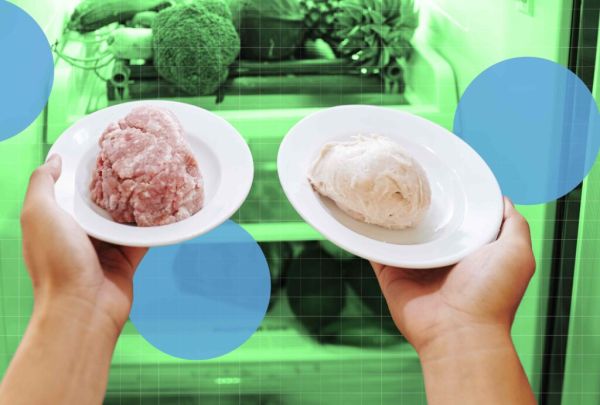
These frozen foods cook better and are safer when thawed first.
Reviewed by Dietitian Katey Davidson, M.Sc.FN, RD, CPT
Key Points
- Some frozen foods cook well from frozen, but others should be thawed first.
- Thawing certain foods first can improve safety, texture and flavor.
- Always use a food thermometer to ensure foods reach safe temperatures.
After a busy day, a quick, convenient and nutritious meal can feel like a lifesaver. Frozen foods, in particular, can make it easy to check all those boxes.
“Freezing food helps preserve the nutrients and quality for longer, allowing increased availability and variety,” shares Laura M. Ali, M.S., RDNa culinary dietitian. “You can enjoy delicious fruits and vegetables throughout the year. Frozen foods are also economical, lead to less food waste and are quick and easy to prepare, meaning less time in the kitchen.”
While many foods can be cooked straight from the freezer, not all are suitable for it. We spoke with two culinary dietitians to share four foods you should never cook straight from frozen.
1. Chicken & Pork
If chicken and pork aren’t cooked to proper internal temperatures, you increase your risk of developing foodborne illness from bacteria like Salmonella.
“Cooking chicken from frozen can create an uneven cook where the outside cooks faster than the inside,” shares Sharniquia White, M.S., RDN, LDNa culinary dietitian. “By looking at the outside appearance, the chicken may appear to be cooked, but could be undercooked in some parts.” This can also affect texture, resulting in tougher meat, adds Ali.
Preparing frozen chicken and pork in a slow cooker without thawing can be especially dangerous. ”Slow cookers are slow,” says Ali. “If your meat or poultry is frozen when you put it in, it will linger in the ‘unsafe’ temperature range for too long which can increase bacteria and lead to foodborne illnesses.”
Both dietitians recommend thawing meat in the refrigerator before cooking, and checking for doneness with a food thermometer. The Centers for Disease Control and Prevention recommends cooking chicken to a minimum internal temperature of 165°F. Whole cuts of pork should reach at least 145°F and rest for 3 minutes before carving or eating. Ground pork should reach 160°F.
Proper storage also helps prevent food poisoning. Keep raw or thawing chicken and pork—and their juices—away from ready-to-eat foods, like salads or food that is already cooked.
2. Thick Cuts of Meat
“It’s important to use even heat when preparing thick cuts of meat like pot roast,” says White. “Because the meat cut is so thick, cooking from frozen could give you a perfectly seared outside with a very raw or still frozen inside.”
Instead, thaw thick cuts of meat in the refrigerator before cooking. Avoid thawing meat on the counter, which can allow bacteria to multiply quickly in portions of the food that reach room temperature.
When cooking, use a thermometer to check the internal temperature. Whole cuts of meat should reach at least 145°F and rest for 3 minutes before carving or eating.
3. Casseroles
The extra batch of veggie lasagna you froze for meal prep can be a great way to get a nutritious meal on the table quickly. While it’s tempting to pop it right into the oven, doing so may impact the quality.
“Casseroles that are super packed with ingredients or frozen in a deep dish could yield an uneven cook,” shares White. “You may notice nice and crispy edges or top layers and a cold center.”
For more even cooking and better texture, she recommends thawing casseroles before baking. Then use a food thermometer to confirm it reaches an internal temperature of at least 165°F.
4. Tender Vegetables
A quick batch of sautéed vegetables can add vitamins, minerals and fiber to many meals. That said, some softer vegetables may become mushy or release excess liquid when cooked directly from frozen.
“If vegetables like diced tomatoes and leafy greens are cooked directly from the freezer, the sudden heat breaks down the cell walls that give the vegetables their structure and texture,” Ali explains. “This can result in a mushy vegetable and release too much liquid into your recipe.”
Instead, she recommends allowing them to thaw completely first. Then drain off or squeeze out excess liquid before cooking.
Our Expert Take
Frozen foods are convenient, budget-friendly and nutritious additions to your routine, helping you save time and reduce food waste. While many foods can be cooked from frozen, certain ones—like chicken, pork, thick cuts of meat, casseroles and delicate vegetables—should be thawed in the refrigerator first to ensure better safety, taste and texture. To reduce the risk of foodborne illness, always cook foods to safe internal temperatures and check doneness with a food thermometer.
Contact to : xlf550402@gmail.com
Copyright © boyuanhulian 2020 - 2023. All Right Reserved.