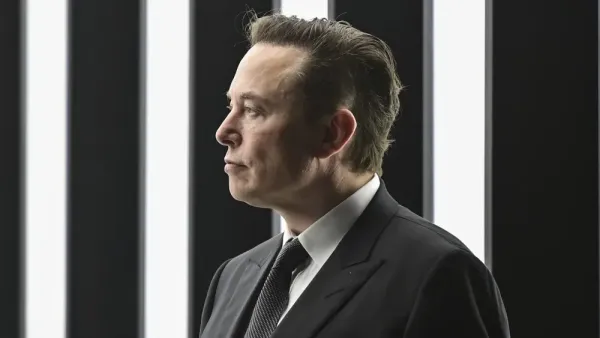
A U.S. federal jury in San Francisco has ruled that Elon Musk is legally responsible for actions that contributed to a drop in Twitter’s stock price during his high-profile $44 billion takeover bid in 2022. The decision marks a major development in a long-running legal battle tied to one of the most closely watched tech acquisitions in recent years.
The verdict could carry significant financial consequences for Musk, potentially requiring him to compensate shareholders who claim they were negatively impacted by fluctuations in the company’s stock during the deal’s uncertain period.
Shareholders Seek Billions in Compensation
Investors who brought the class action lawsuit argue that Musk’s public comments created instability in Twitter’s stock price, prompting many to sell their shares at lower values than they otherwise would have. Their legal team estimates damages at around $2.1 billion, though that figure could rise to approximately $2.6 billion when additional financial instruments such as stock options are taken into account.
Lawyers involved in the case indicated that distributing compensation to affected shareholders may take several months, as claims need to be processed and validated. The scale of the payout reflects the large number of investors who were trading Twitter stock during the turbulent months leading up to the acquisition.
Allegations of Market Influence Through Public Statements
At the heart of the lawsuit was the claim that Musk used his public platform to influence market sentiment in a way that worked to his advantage as a buyer. Plaintiffs argued that his statements were not random or informal, but instead played a role in shaping investor perception and pushing the company’s valuation downward.
According to the case presented in court, Musk’s comments introduced doubt about the deal and the company itself at a critical moment, which in turn triggered volatility in Twitter’s share price. The legal argument suggested that this uncertainty gave Musk leverage as he explored the possibility of renegotiating the acquisition terms.
Dispute Over Spam and Fake Accounts
One of the central issues examined during the trial was Musk’s repeated questioning of Twitter’s reported number of spam or bot accounts. In May 2022, shortly after agreeing to acquire the company, Musk began publicly challenging Twitter’s estimate that such accounts made up about 5% of its daily active users.
During court proceedings, it was revealed that Musk had sought clarification from Twitter leadership, including former CEO Parag Agrawal and former CFO Ned Segal, about how the company calculated those figures. Musk maintained that he was not satisfied with the explanations he received.
Soon after, he posted on the platform that the deal was “temporarily on hold” while he reviewed the data. Although he later reaffirmed his intention to proceed with the acquisition, his continued skepticism about the platform’s metrics kept the issue in the spotlight and contributed to ongoing uncertainty.
Sharp Drop in Twitter’s Stock Price
The market reacted quickly to Musk’s comments. Within a short span of time, Twitter’s stock price fell significantly, dropping by nearly 18% during a period when Musk publicly raised concerns about the prevalence of bots. At one point, he suggested that the proportion of fake accounts could be far higher than the company’s official estimate.
Shareholders argued that this drop was not merely coincidental but directly linked to Musk’s statements. Many investors, facing uncertainty about whether the deal would go through and at what price, chose to sell their holdings, often at a loss.
Musk Maintains His Position
While testifying, Musk defended his actions by saying his comments reflected genuine concerns rather than an attempt to manipulate the market. He emphasized that he was expressing his personal views and raising questions he believed were important for evaluating the deal.
Musk also reiterated his skepticism about Twitter’s internal data, suggesting that the company may have understated the number of fake or automated accounts. He pointed to his own experience on the platform, where he believed a large share of interactions appeared to come from non-authentic users.
In addressing the financial losses claimed by shareholders, Musk argued that investors who held onto their shares ultimately benefited once the deal was completed at the original purchase price. From his perspective, the long-term outcome offset the short-term volatility.
Deal Completion After Legal Pressure
Despite months of uncertainty and public back-and-forth, the acquisition of Twitter was finalized in October 2022 at the initially agreed price. The deal moved forward after Twitter took legal action against Musk, accusing him of attempting to withdraw from the agreement.
The completion of the takeover brought stability to the company’s ownership situation but did not resolve the legal disputes surrounding Musk’s conduct during the negotiation phase. Those issues continued to play out in court, culminating in the recent jury verdict.
A Turning Point for Corporate Accountability
Legal observers see the ruling as a notable moment in holding high-profile executives accountable for their public communications, especially when those communications have the potential to influence financial markets. The case highlights how statements made on widely followed platforms can carry significant legal and financial consequences.
Experts suggest that the outcome may lead to greater caution among corporate leaders when discussing ongoing deals in public forums. Even informal or personal remarks can be scrutinized if they appear to impact investor behavior or market conditions.
Contact to : xlf550402@gmail.com
Copyright © boyuanhulian 2020 - 2023. All Right Reserved.