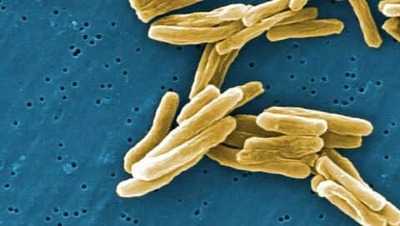
The bacteria shift the types of fats in their membranes at different stages, changing how tightly everything is packed together.
This affects how easily drugs can slip through.
During later infection or dormancy, M. tuberculosis remodels its lipid composition and cell-envelope architecture in ways that can increase envelope rigidity and hydrophobicity, reducing antibiotic penetration and promoting drug tolerance.
Understanding these tricks could help researchers figure out new ways to break down the bacteria's defenses.
If scientists find a way to mess with these membrane changes, TB could become much easier to treat in the future.
Contact to : xlf550402@gmail.com
Copyright © boyuanhulian 2020 - 2023. All Right Reserved.