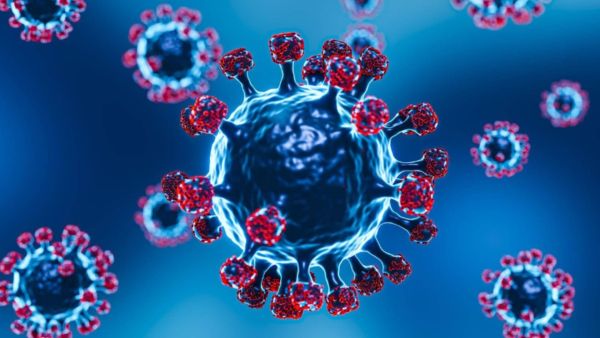
New Delhi: A new COVID-19 variant, officially named BA.3.2 and nicknamed “Cicada”, has recently caught the attention of health officials in the United States and around the world. The nickname comes from cicada insects, which spend years underground before suddenly appearing much like this variant, which remained unnoticed for a long time before re-emerging.
Where Has It Been Found?
The Centers for Disease Control and Prevention (CDC) in the US reported that BA.3.2 has been detected in wastewater samples across at least 25 states. It has also shown up in nasal swabs from travelers and in clinical samples from patients. Globally, the World Health Organization (WHO) has listed it as a “variant under monitoring” after cases were reported in more than 20 countries, including Japan, Kenya, the Netherlands, Germany, Denmark, and the UK.
In some European countries, BA.3.2 has already made up 30% of sequenced cases. In the US, numbers are still relatively small, but health officials are watching closely.
What makes BA.3.2 different?
Scientists describe BA.3.2 as “highly mutated.” It carries around 70–75 changes in its spike protein which is the part of the virus that helps it enter human cells. These mutations give it what experts call “immune escape characteristics,” meaning it can partly avoid protection from vaccines or past infections.
Importantly, BA.3.2 is not part of the JN.1 lineage, which has dominated infections in recent years. Instead, it represents a new branch of the virus.
Symptoms Reported So Far
Doctors say BA.3.2 does not cause completely new symptoms compared to earlier variants. However, one symptom being noticed more often is a severe sore throat. Other common COVID symptoms remain the same:
- Fever or chills
- Cough
- Fatigue
- Headache and muscle aches
- Congestion or runny nose
- Loss of taste or smell
- Nausea, vomiting, or diarrhoea
- Shortness of breath
So far, there is no evidence that BA.3.2 causes more severe illness than other variants.
What About Vaccines?
Experts are still studying how well current vaccines work against BA.3.2. The WHO has said vaccines and antiviral treatments are expected to continue protecting against severe disease and hospitalisation. However, because of the large number of mutations, scientists caution that vaccines may be less effective at preventing infection. More data is needed before drawing firm conclusions.
Should People in India Worry?
For now, BA.3.2 has not been widely reported in India. But since it has spread to over 20 countries, including several in Europe and Africa, health officials here are keeping watch.
- Travel connection: Variants often spread through international travel. India’s airports and surveillance systems will play a key role in spotting cases early.
- Preparedness: India has strong experience in handling COVID waves, with widespread vaccination and improved healthcare readiness.
- Risk level: While BA.3.2 may increase infections due to immune escape, there is no sign yet that it causes more severe illness.
In short, people in India do not need to panic, but staying alert is wise. Following basic precautions like masking in crowded places, hand hygiene, and keeping vaccinations up to date remains the best defense.
What Lies Ahead
COVID-19 continues to evolve, and BA.3.2 is a reminder that the virus is not gone. Surveillance, testing, and vaccination are still crucial tools. Health experts stress that while new variants may cause waves of infection, vaccines and treatments are helping prevent the worst outcomes.
Contact to : xlf550402@gmail.com
Copyright © boyuanhulian 2020 - 2023. All Right Reserved.