With spring underway and the Easter bank holiday approaching, many people across the country will be taking trips away. For anyone staying in a hotel, BBC Morning Live's resident doctor, Dr Punam Krisham, has issued advice she urges people to follow to reduce the risk of catching an illness, as she says there is likely to be "a spike after the Easter holidays".
Explaining why there is often a rise in infections "every time the seasons change", Dr Punam says it has a lot to do with changes in temperature and air pressure, which make "viruses and bacteria spread a lot quicker". The NHS GP also mentioned that, obviously, people are "mingling more" and "young children and people are travelling".
Dr Punam told viewers: "We've got Easter holidays, we fully expect a bit of a spike after the Easter holidays. And, there is this thing called a stacking effect.
- Three key bowel cancer signs that 'are often missed' after Mel Schilling's death
- Mum loses 7st in year but says she hasn't changed diet and nothing is off limits
"So what will happen is, because there are so many viral things circulating, people feel that if they have just recovered from one infection, their immune system takes a bit of a lag time. So as it's recovering, because it's still a bit down and you're still a bit run down from it, you might end up catching another infection."
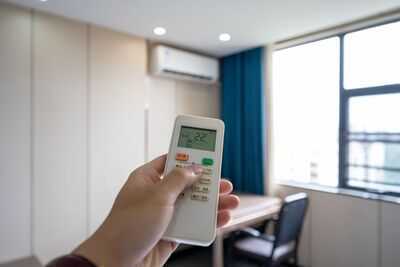
Explaining how travelling away and staying in hotel rooms could impact this, Dr Punam said it is all to do with air conditioning, given that the weather is warming up. She first stressed that she doesn't want anyone "worrying about air-con".
However, she added: "It is important that we mention that if air conditioning systems aren't well maintained, they can actually end up circulating viruses and bacteria in the room that you're in, so it is important to make sure that they're regularly serviced".
She went on: "The other thing that air conditioning does is it dries out the air. But it doesn't just dry out the air, it also dries your nose and your throat". She says this can make your body less able to protect itself against infections.
Symptoms of excessive dry sinuses can include a dry, scratchy throat, especially in the morning and a stuffy or congested nose. It can also cause dry, irritated skin and eyes, a persistent cough and headaches or dizziness.
According to Healthline, dry sinuses occur when the mucus membranes lack moisture, often due to dry air or insufficient water intake. When this happens, it makes it easier for viruses, bacteria, and allergens to get in because the dry nasal lining can't properly catch or remove them, weakening the body's first defence.

Sharing the steps people can take to counteract this, Dr Punam said: "Simple things that you can do - because it does dry out everything - is stay hydrated. If you are somewhere where there's air-con on all the time, like if you're on a flight, stay hydrated and drink plenty of fluids."
She also said: "Humidifiers are fantastic just to add moisture back into the air. If you don't have a humidifier, just use bowls of water. A few bowls of water around the room also help to add moisture.
"Humidifiers are helpful and some hotels do have that, but I think just as long as air conditioning is serviced, they are okay, I don't want everyone thinking, 'Oh my gosh, and I'm going to get another virus or bacteria because of this'."
Contact to : xlf550402@gmail.com
Copyright © boyuanhulian 2020 - 2023. All Right Reserved.