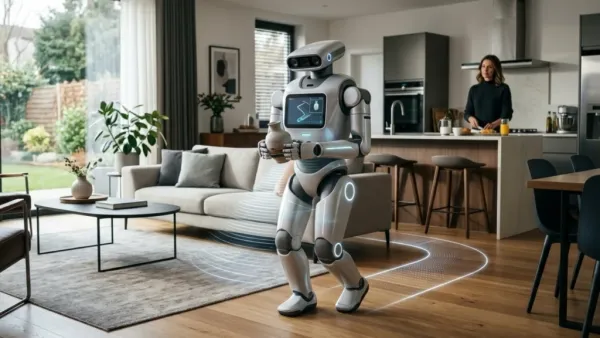
For years, home robots felt like something from tech events, not real homes. Companies showed big promises. Robots that fold clothes. Robots that cook. Robots that walk like humans. But inside most houses, the reality was simple — a robot vacuum that sometimes gets stuck under the sofa.
That gap is still there. But now, something is changing. Home robots are not magical yet. But home robots improvements are getting there. Better in small, real ways that actually matter in daily life. Let’s talk honestly about what is improving — and what still needs serious work.
Robots Are Now Built for Real Homes, Not Just Demos
Earlier, many robot launches felt like showpieces. The robot worked well in a clean lab. Perfect lighting. No mess. No kids. No pets. Real homes are different. There are cables on the floor. Toys everywhere. Uneven carpets. Chairs in random positions. Now companies are finally designing robots for these messy, normal situations. That shift alone is a big step.
Navigation Is Way Better Than Before
If you used an old robot vacuum, you know the struggle. It would move randomly. Hit the wall. Turn around. Miss corners. Sometimes, clean the same spot five times. Now, most modern home robots use better sensors like LiDAR and smart cameras.
They scan the room first. They create a digital map. Then they clean in straight, planned lines. It feels more organized. You can even see the map on your phone and tell the robot to clean just one room. That level of control makes a huge difference.
Robots Can Now Avoid Small Objects
Earlier, cables were the biggest enemy. At present, robot technology can use visual sensors and lasers to identify an array of small items, including loose wires, slippers, socks, and pet excrement. This has progressed over the last five years.
Many robots will take an image of what they see and send you the image via your corresponding mobile application; while this is still not infallible in detecting items, it is an incredible feat of progress from only five years ago.
Picking Things Up Is Still Very Hard Despite Home Robots Improvements
Moving around the house is one thing. Actually picking up objects is a completely different challenge. And this is where robots still struggle badly.
Robotic Arms Sound Cool, But Reality Is Different
Some new robots come with robotic arms. In videos, they pick up a bottle or move a box. It looks impressive. But real homes are messy. Objects are not placed neatly. They are half under a table. On soft surfaces. Behind other things.
Robotic arms are still slow and careful. They need clear angles. They get confused easily. Right now, they are more experimental than practical.

Folding Clothes? Not Anytime Soon
Folding clothes sounds simple. But clothes are soft. They change shape. They slip. Robots find it very hard to do tasks like loading a dishwasher correctly, as the way plates, bowls, and glasses fit into the dishwasher is different every day. So yes, floor cleaning robots have improved. But full household help is still far away.
AI Is Smarter, But Not “Human Smart”
AI inside home robots has improved a lot. They understand room layouts better. They remember where furniture is. They adjust if something moves. Some robots even learn your habits.
For example, if you usually clean every evening, they suggest similar schedules. But they still don’t fully understand situations. If there is water on the floor, not every robot knows what to do. If something falls, they may avoid it — but not fix it. So the intelligence is better, but it’s still task-focused.
Less Dependence on the Internet
Earlier, many robots relied heavily on cloud servers. If the internet was slow, the robot felt slow. Now, more brands are moving processing inside the robot itself. This makes response time faster. It also reduces privacy worries because less data goes outside your home. This is a quiet but important upgrade.
Battery Life Feels More Practical
Old robots would just stop when the battery died. Now they go back to their charging dock automatically. After charging, they return to the same spot and continue cleaning. Some even empty their dustbin into a larger base station. That saves effort. Still, bigger robots with arms need more power. Battery limits are still a challenge for advanced models.
Stairs Are Still a Big Problem
Most home robots work well on flat floors. But stairs? That’s still tough. Some advanced machines can handle stairs, but they are expensive and rare. For most homes, you still have to carry the robot to another floor manually. Until robots can move freely across levels, full independence is not possible.
Smart Home Control Is Easier Now
Connecting robots to your phone is simple now. You can set schedules. Mark no-go zones. Start or stop cleaning remotely. Voice control also works better than before. Sometimes, when using different branded smart home devices.
The setup can be confusing when all of your devices come from different brands. The overall improvement feels there, but it’s still not very smooth compared to what’s to come.
Safety Has Improved
Safety inside a home is very important. Modern robots slow down near people and pets. They are better at avoiding sudden obstacles. That makes them feel safer in busy homes. But they are not socially aware machines. They don’t understand emotions. They don’t truly interact. And honestly, that’s fine. Right now, they are tools. Not companions.
The Real Problem: Price
Let’s be honest. Advanced home robots are expensive. A basic robot vacuum is affordable now. But high-end models with smart mapping, self-cleaning docks, and AI features cost much more.
Add robotic arms or advanced mobility, and prices go even higher. For many families, the cost does not match the benefit yet. For robots to become mainstream, prices need to come down.
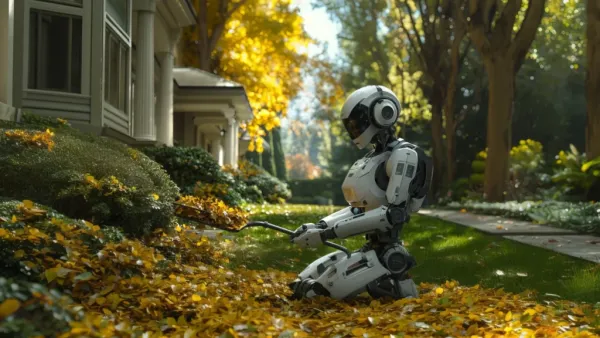
What Still Needs Big Improvement
Here’s where real progress is still needed:
- Better object handling in messy homes
- True multi-floor movement without human help
- A smarter understanding of different situations
- Lower maintenance and fewer parts to clean
- More affordable pricing
Until these problems are solved, robots will remain helpful devices — but not full home assistants.
Are We Close to the “Robot in Every Home” Future?
We are closer than before. Five years ago, robots felt limited and frustrating. Now they are more reliable. They clean properly. They avoid common mistakes. But they are still focused on one or two tasks.
There is no single affordable robot that cooks, cleans, organizes, and helps with everything. And maybe that’s okay. Technology usually improves step by step. Instead of one perfect robot, we are getting better specialized robots. That feels more realistic.
Final Thoughts
Home robots are finally becoming practical. Not magical. Not perfect. But practical. Navigation is better. AI is smarter. Daily maintenance is easier. Still, handling objects, climbing stairs, and lowering costs are big hurdles. The future of home robotics looks promising. But we are still in the middle of the journey — not at the finish line.
Contact to : xlf550402@gmail.com
Copyright © boyuanhulian 2020 - 2023. All Right Reserved.