
The NHS has highlighted several crucial lifestyle changes that your GP may suggest before turning to medication. These recommendations might be made prior to prescribing statins, which are among the most frequently dispensed medicines across Britain.
Statins are a type of drug that can lower levels of low-density lipoprotein (LDL) cholesterol, commonly known as "bad" cholesterol, in the bloodstream. High LDL cholesterol poses significant health risks, as it can lead to arteries narrowing and hardening.
It also represents a major risk factor for heart disease, an umbrella term encompassing various conditions that affect the heart and blood vessels, including heart attacks, strokes, angina, and coronary heart disease. This remains amongst the primary causes of death across the UK.
- Millions wrongly classified as overweight or obese by NHS, study suggests
- Woman may have two Haribo for wedding meal after sudden mystery illness
The NHS website states that a doctor may suggest statin treatment if you've been diagnosed with heart disease, or if your individual and family medical history indicates a likelihood of developing cardiovascular disease within the next decade, and lifestyle modifications haven't reduced this risk.
However, before prescribing statins, your doctor will "usually" suggest specific modifications. The NHS stated: "If you're at risk of developing cardiovascular disease in the near future, your doctor will usually recommend lifestyle changes to reduce this risk before they suggest that you take statins." The NHS suggests that these can "reduce your cholesterol level and cardiovascular disease risk". The recommended changes include:
- Eating a healthy, balanced diet
- Exercising regularly
- Maintaining a healthy weight
- Limiting the amount of alcohol you consume
- Quitting smoking
However, the NHS stated: "Statins may be recommended if these measures do not help."
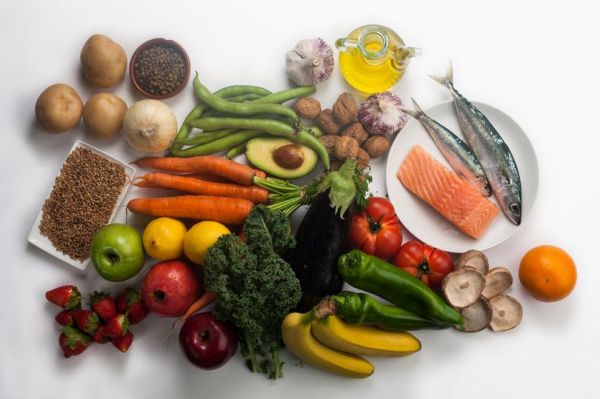 Diet
Diet The health body said you should try to cut down on fatty food, especially food that contains a type of fat called saturated fat. “You can still have foods that contain a healthier type of fat called unsaturated fat,” it said.
Therefore, you should try to eat more:
- Oily fish, like mackerel and salmon
- Olive oil, rapeseed oil and spreads made from these oils
- Brown rice, wholegrain bread and wholewheat pasta
- Nuts and seeds
- Fruits and vegetables
And you should try to eat less:
- Meat pies, sausages and fatty meat
- Butter, lard and ghee
- Cream and hard cheese, like cheddar
- Cakes and biscuits
- Food that contains coconut oil or palm oil
The NHS said you should aim to do at least 150 minutes (2.5 hours) of exercise a week.
Stop smokingThe NHS said: “Smoking can raise your cholesterol and make you more likely to have serious problems like heart attacks, strokes and cancer.” If you want to stop smoking, you can get help and support from your GP or the NHS Stop Smoking Service – your GP can refer you or you can ring the helpline on 0300 123 1044 (England only).
AlcoholThe NHS said you should:
- Avoid drinking more than 14 units of alcohol a week
- Have several drink-free days each week
- Avoid drinking lots of alcohol in a short time (binge drinking)
The only way to be sure if your cholesterol levels are too high is to take a cholesterol test. These will confirm your:
- Total cholesterol – the overall amount of cholesterol in your blood
- Good cholesterol (called HDL) – this may make you less likely to have heart problems or a stroke
- Non-HDL cholesterol – the difference between total cholesterol and HDL
The NHS explained: “What is a good target level for you depends on things like your age, whether you have any health conditions and your risk of cardiovascular disease.” But generally, the following levels are considered “healthy”:
- Total cholesterol - below 5mmol/L
- HDL (good cholesterol) - above 1.0mmol/L for men or above 1.2mmol/L for women
- Non-HDL (bad cholesterol) - below 4mmol/L
Contact to : xlf550402@gmail.com
Copyright © boyuanhulian 2020 - 2023. All Right Reserved.