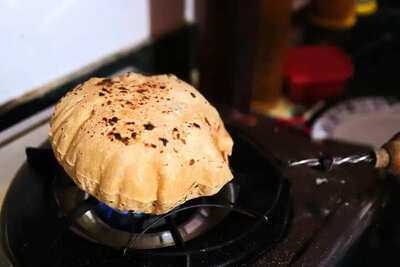
Roti straight off the tava is a small, soft miracle: elastic, warm, and fragrant. But within an hour it can feel leathery, dry and brittle, disappointing for anyone packing lunch or feeding a family. This change is not unusual. As rotis cool, the moisture inside them slowly evaporates and the starch in the wheat begins to tighten, altering the bread’s texture. Small choices during kneading, cooking and storing can influence how quickly this happens. Understanding these simple factors makes it easier to keep rotis tender and flavourful for longer. Here are four practical kitchen tricks that help preserve their softness for hours.
Why do rotis turn hard
Moisture loss. The single biggest culprit is evaporation. Cooked wheat loses steam, the surface dries and the crumb firms up as residual moisture moves outward.
Starch retrogradation. As cooked starches cool, their molecules re-align and expel water - a process that makes breads and rotis firmer over time. This happens quickly at room temperature.
Low hydration or overworked dough. If the dough is too dry to begin with, or you under-knead it so gluten doesn’t form evenly, the finished roti lacks spring and goes hard faster.
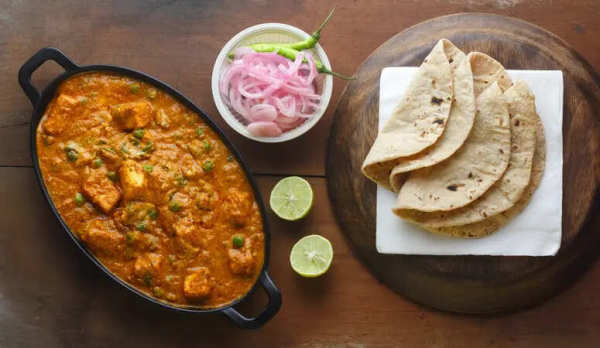
Overcooking or uneven heat. A slow, prolonged cook dehydrates the roti; a very cool tava also forces longer contact time and more moisture loss.
Poor finishing or storage. Leaving rotis exposed on a plate or stacking them without insulation lets steam escape instead of being trapped and reabsorbed.
Four simple tricks that arrest these processes and keep rotis soft for hours.
1. Build a forgiving dough: Slightly wetter, a little fat, and let it rest
Soft rotis start in the bowl. Use slightly higher hydration than you might instinctively choose, the dough should feel soft, pliable and only mildly tacky, not stiff. A good rule: start with about three-quarters of the usual water, then add a tablespoon at a time until you get a soft feel; whole-wheat absorption varies by brand and season. Add 1 teaspoon of oil or a small knob of ghee per cup of flour while kneading: the fat coats flour particles, limits water loss, and tenderizes the crumb. Knead until the dough is smooth, then cover and rest for 20–30 minutes. Rest lets the grain fully hydrate and the gluten relax, producing a roti that puffs easily and resists drying.
2. Cook fast on the right heat and finish smart
The tava must be hot but not flaming. Preheat until a drop of water sizzles and skitters. Place the rolled roti, cook briefly until small bubbles form (15–20 seconds), flip and finish quickly (10–15 seconds). If you lightly roast on an open flame, do it in short bursts so the bread puffs without long direct heat that dehydrates it. The faster the cook, the more internal moisture stays trapped. Avoid prolonged contact with the pan or repeated pressing, which pushes moisture out.
Trap the steam: Immediate wrap and insulated storage
Right after cooking, layer rotis and wrap them in a clean kitchen towel or cloth, folding it over so steam stays trapped. For travel or lunchboxes, use an insulated container or a stainless steel dabba lined with a dry clean cloth; avoid leaving rotis uncovered on a plate. If you must store them for several hours, place a small piece of butter or ghee between rotis; this creates a moisture barrier and helps them remain soft. For day-long protection, a shallow thermos or insulated casserole works better than plastic or paper, because it slows temperature drop and reduces starch retrogradation.
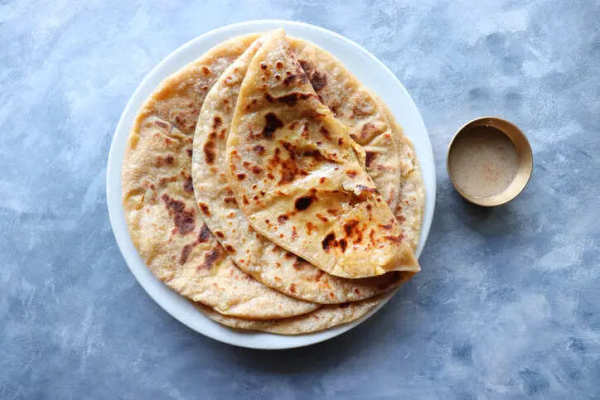
Small ingredient hacks that pay big dividends
These are optional but effective:
• Splash of warm milk while kneading (substitute for part of the water) adds fats and lactose that improve tenderness and mouthfeel
• 1 tablespoon of yogurt per 2 cups flour softens the dough through gentle acidity and enzymatic action but keep cooked rotis refrigerated if you use a lot of dairy;
• A tiny pinch of baking soda (used sparingly, think a pinch for 2 cups of flour) can tenderize and help puffing, but it changes flavour if overdone.
Quick checklist
• Make dough softer and rest it.
• Use a well-heated tava and cook quickly.
• Wrap and insulate immediately after cooking.
• Consider fat or dairy additions for extra softness.
Contact to : xlf550402@gmail.com
Copyright © boyuanhulian 2020 - 2023. All Right Reserved.