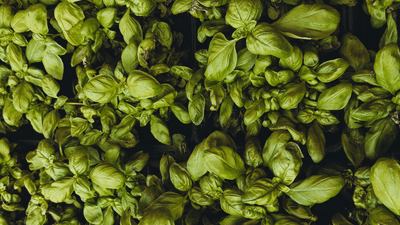
Which plants should not be grown near Tulsi and why adding salt could destroy it
Tulsi, also called holy basil (Ocimum sanctum), holds a special place in every Indian home, not only for its spiritual significance but also for the medicinal and environmental benefits it provides. Tulsi is highly valued in Ayurveda and is widely cultivated in tropical countries for its hardy, medicinal properties. However, like every plant, it needs the right environment and conditions to grow well. There are many things that we do unknowingly that may prove to be harmful to the growth and survival of our Tulsi plant. For instance, we may be growing the wrong species around our Tulsi or adding salt to the soil.
Plants you should avoid growing near Tulsi
Plants that should not be planted near Tulsi:
However, it is also easy for the Tulsi plant to be uprooted if it is grown along with other herbs that have fast-growing roots. Mint is known for its aggressive roots that dominate the soil and consume most of the water and nutrients. This may weaken the Tulsi plant and hence affect its growth. This is also in contrast with the fact that Tulsi requires an undisturbed growing space. Therefore, if it is grown along with other herbs, it may not be able to thrive properly.
Secondly, if Tulsi is grown along with dense shrubs and bushy plants, it may be denied sunlight, which is essential for its growth.
The Tulsi plant requires direct exposure to sunlight for at least a few hours in order for it to remain healthy and possess the required potency. However, if it is surrounded by dense shrubs and bushy plants, it may not receive proper exposure to sunlight and hence may remain weakened.
The tulsi plant is hardy, but it thrives in a clean environment with proper air circulation and sunlight.
According to gardening experts, it is best to avoid overcrowding the area with the tulsi plant, especially with those plants that:
The tulsi plant is best grown in separate areas, not only because of cultural reasons but also to give it the attention it needs.
What happens if you add salt to a Tulsi plant
Adding salt to any plant, including tulsi, is not good. From a scientific point of view, salt is known to increase salinity in the soil. This affects how plants drink water.
Research on basil plants, which are closely related to tulsi, indicates that increasing salinity in the soil affects plants in several ways:
The plants will still appear normal on the surface, but will eventually die. Some traditional beliefs argue that adding salt is good for the plants. However, there is no scientific evidence supporting this. From a scientific point of view, there is clear evidence that adding salt is bad for plants.
Why proper care of Tulsi matters
Tulsi is not just any other herb; it is known for its adaptogenic and medicinal qualities that help the human body fight stress and other environmental factors.
How to keep it healthy:
A simple takeaway
One does not need to learn complex techniques to take care of the Tulsi plant. All it needs is an environment that is well-balanced and free of any unwanted interference. It should be free of any unwanted plants growing around it. Also, it should never be given any salt.
At times, the most effective way to take care of something sacred is to do it in the simplest way possible.
Plants you should avoid growing near Tulsi
Plants that should not be planted near Tulsi:
- Mint (Pudina)
- Coriander (Dhania)
- Fenugreek (Methi)
- Spinach (Palak)
- Cabbage and Cauliflower
- Aloe Vera
- Money Plant
- Large shrubs or bushy ornamental plants
However, it is also easy for the Tulsi plant to be uprooted if it is grown along with other herbs that have fast-growing roots. Mint is known for its aggressive roots that dominate the soil and consume most of the water and nutrients. This may weaken the Tulsi plant and hence affect its growth. This is also in contrast with the fact that Tulsi requires an undisturbed growing space. Therefore, if it is grown along with other herbs, it may not be able to thrive properly.
Secondly, if Tulsi is grown along with dense shrubs and bushy plants, it may be denied sunlight, which is essential for its growth.
The Tulsi plant requires direct exposure to sunlight for at least a few hours in order for it to remain healthy and possess the required potency. However, if it is surrounded by dense shrubs and bushy plants, it may not receive proper exposure to sunlight and hence may remain weakened.
The tulsi plant is hardy, but it thrives in a clean environment with proper air circulation and sunlight.
According to gardening experts, it is best to avoid overcrowding the area with the tulsi plant, especially with those plants that:
- Need excessive water, as the tulsi plant needs well-drained soil
- Spread excessively, thus competing for nutrients
- Attract pests or fungi
The tulsi plant is best grown in separate areas, not only because of cultural reasons but also to give it the attention it needs.
What happens if you add salt to a Tulsi plant
Adding salt to any plant, including tulsi, is not good. From a scientific point of view, salt is known to increase salinity in the soil. This affects how plants drink water.
Research on basil plants, which are closely related to tulsi, indicates that increasing salinity in the soil affects plants in several ways:
- Plants grow less, with reduced biomass.
- Chlorophyll levels in the plants are reduced.
- Stress levels in the plants increase.
The plants will still appear normal on the surface, but will eventually die. Some traditional beliefs argue that adding salt is good for the plants. However, there is no scientific evidence supporting this. From a scientific point of view, there is clear evidence that adding salt is bad for plants.
Why proper care of Tulsi matters
Tulsi is not just any other herb; it is known for its adaptogenic and medicinal qualities that help the human body fight stress and other environmental factors.
How to keep it healthy:
- Find a sunny spot
- Use well-drained soil
- Water it moderately
- Avoid chemicals and salt
A simple takeaway
One does not need to learn complex techniques to take care of the Tulsi plant. All it needs is an environment that is well-balanced and free of any unwanted interference. It should be free of any unwanted plants growing around it. Also, it should never be given any salt.
At times, the most effective way to take care of something sacred is to do it in the simplest way possible.
Contact to : xlf550402@gmail.com
Copyright © boyuanhulian 2020 - 2023. All Right Reserved.