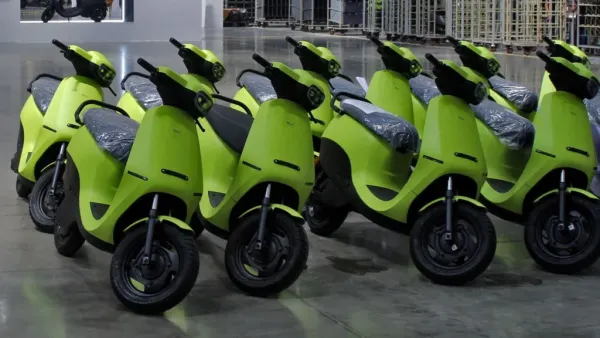
India’s electric vehicle revolution has been moving at full speed, but a recent ruling from Thane has put the spotlight on a critical issue—customer experience. In a sharp rebuke, the District Consumer Disputes Redressal Commission (Additional Thane) has directed Ola Electric to either replace a defective electric scooter or provide a full refund, calling out the company for “sheer deficiency” in service and engaging in “unfair trade practices.”
The case is more than just a single customer complaint—it reflects the growing pains of a rapidly scaling EV ecosystem.
Credits: CNBC TV18
From Excitement to Frustration: A Buyer’s Journey
The story began in July 2024, when a Navi Mumbai-based advocate purchased an Ola electric scooter for ₹96,997. Like many urban consumers, the buyer was likely drawn by the promise of eco-friendly mobility, lower running costs, and cutting-edge technology.
However, the excitement didn’t last long.
Within just two days of delivery, during the scooter’s first significant ride, problems began to surface. The complainant reported acceleration issues and multiple breakdowns in the middle of traffic—an alarming experience for any rider, especially on busy city roads.
Instead of a smooth transition to electric mobility, the customer found himself dealing with repeated disruptions and uncertainty.
A Dangerous Turn: Battery Drops Trigger Alarm
The situation escalated further on August 29, 2024, during what should have been a routine ride. According to the complaint, the scooter’s battery level suddenly dropped from 21% to just 3% within a span of 500 meters.
This wasn’t just a technical glitch—it was a potential safety hazard.
The scooter came to an abrupt halt, leaving the rider stranded in traffic. The complainant argued that such an unexpected shutdown could have led to a serious or even fatal accident. In crowded urban environments, where split-second decisions matter, a vehicle failure like this can have dangerous consequences.
Battery reliability is at the heart of the EV promise. Incidents like these not only erode trust in a specific product but can also create hesitation among potential EV buyers.
Commission’s Strong Words: “Sheer Deficiency” in Service
After examining the sequence of events, the Thane consumer commission delivered a clear and firm verdict. It stated that the vehicle was “not in proper condition” and suffered from multiple defects right from the outset.
The panel emphasized that it was the company’s responsibility to rectify these issues promptly and provide proper service support to the customer. Instead, the failure to resolve the defects and the lack of transparency in service- communication led the commission to conclude that there was a “sheer deficiency” in service.
Additionally, the commission observed that not disclosing relevant and necessary information regarding the vehicle’s servicing amounted to an “unfair trade practice.”
These are strong observations, signaling that consumer rights cannot be overlooked—even in fast-growing, innovation-driven sectors.
A Reality Check for India’s EV Boom
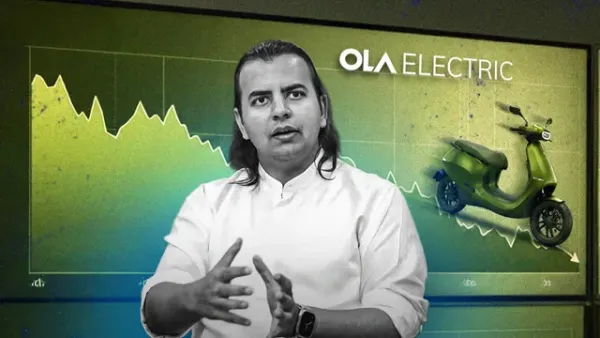
This case arrives at a time when companies like Ola Electric are at the forefront of India’s electric mobility push. With ambitious expansion plans, aggressive pricing, and increasing adoption, the EV market is witnessing unprecedented growth.
However, rapid scaling often brings challenges—especially in areas like quality control, service networks, and customer support.
For many EV startups, the focus has largely been on innovation and market capture. But as this case highlights, long-term success will depend equally on reliability and after-sales experience.
Consumers today are more informed and empowered, and they are willing to take legal action when expectations are not met.
The Bigger Picture: Trust is the Real Battery
The Thane commission’s order goes beyond a refund or replacement—it sends a broader message to the entire EV industry.
As India accelerates towards an electric future, trust will be the key driver of adoption. A sleek design, advanced features, and competitive pricing can attract buyers, but consistent performance and dependable service are what retain them.
For manufacturers, this is a wake-up call to strengthen service infrastructure, improve product quality, and maintain transparency with customers.
For consumers, it reinforces the importance of voicing concerns and holding companies accountable.
Because in the end, the success of the EV revolution won’t just be measured in sales numbers—but in the confidence riders have every time they hit the road.
Contact to : xlf550402@gmail.com
Copyright © boyuanhulian 2020 - 2023. All Right Reserved.