
A new Covidstrain named after a tropical insect is set to become dominant in the UK and could disproportionately affect children, a top expert says.
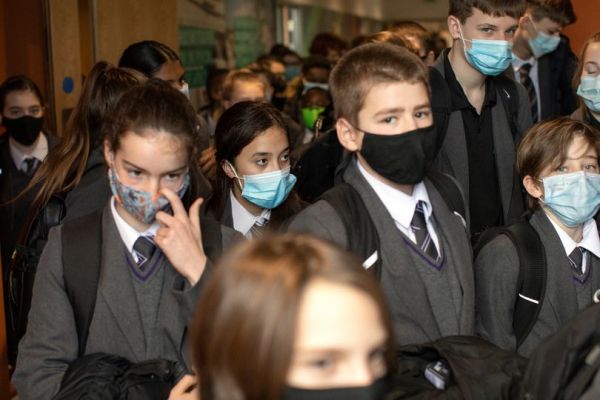
The Cicada variant - technical name BA.3.2 - is better at evading the body’s immune defences as it has around 75 genetic changes in its spike protein, the part of the virus that helps it get into cells. Scientists say cicada spreads faster than other variants and one of the country’s top microbiologists has told of emerging evidence that it could spread most in children who have no Covid immunity - which could drive a new wave.
Prof Ravi Gupta, of Cambridge University, who advised the UK government during the pandemic, said: “This is different from the (Covid-19) viruses we have been dealing with for the last two years."
• Covid nearly broke NHS - 'never again can nursing and the public be failed like this'
• Dr says new Covid Cicada variant 'detected in UK' could 'avoid immune system' - symptoms
UK testing for variant
Prof Gupta was leading part of the research group which reported the first evidence for immune escape for Covid-19 during the pandemic. He was part of the New and Emerging Respiratory Virus Threats Advisory Group (NERVTAG).
Prof Gupta said: “It has been found in the UK, has been increasing in prevalence and I would expect it to become the dominant strain. BA.3.2 is undergoing testing right now. We have been looking at it in terms of immune evasion and the immunity that we’ve all got.”
Timeline of Cicada emergence
The cicada variant is a descendent of the Omicron variant that emerged in 2021 and was first detected in South Africa in 2024 before seeming to disappear. Prof Gupta believes that it was able to develop so many mutations to avoid immunity by being incubated in a single patient for over a year. This 'patient zero' would have been unable to clear the virus due to a compromised immune system, such as can occur when the patient also has HIV or is taking anti-cancer drugs.
Now after a period of going dormant cicada has spread to 23 countries and is spreading across the US, being detected in the wastewater systems of 29 states. The latest global data is correct as of February and the strain may have spread more widely since then.
Children 'in the front line'
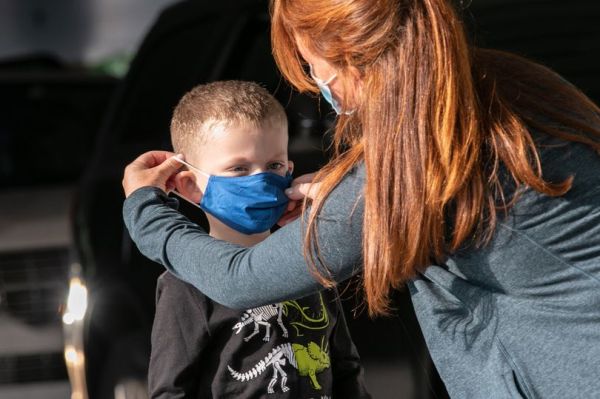
Prof Gupta said: “This new variant has been found in the UK. Some people have done analysis on this suggesting it may be more prevalent among young children. Children get infections all the time but this might be something to do with the fact that they have never been exposed to Covid vaccines.
“So this is something we’re looking at in the lab to try and work out why. The problem with this is that it is an infection that spreads fast. Eventually it ends up in someone who is vulnerable.”
Symptoms to look out for
Symptoms seem to appear similar to other recent variants, and include a sore throat, cough, congestion, fatigue, headache and fever. But this one also has had some people also experiencing gastrointestinal issues such as nausea or diarrhea, according to the US-based Centers for Disease Control and Prevention (CDC).
Cicada’s mutations to the spike protein mean that our antibodies take longer to recognise it as the invading Covid-19 virus. It appears to be spreading more quickly but there is no evidence yet that it is likely to cause more severe disease. However if more people become infected, then a similar proportion of those who experience severe disease becomes a bigger total number.
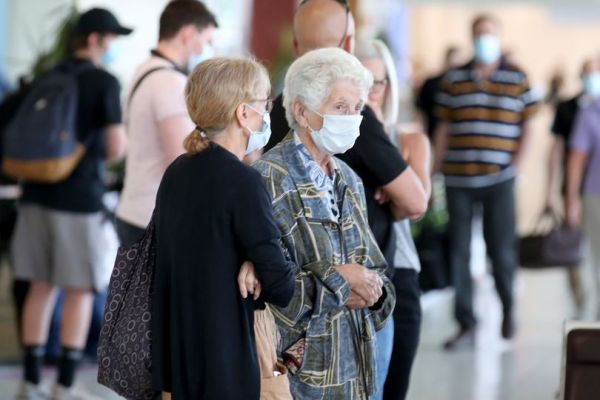
Prop Gupta, of the Cambridge Immunology Network, said: “The immunocompromised and the elderly are at the biggest risk but vaccines should prevent some of the most severe complications in most people.
“We are now in March and coming out of the flu season but you can get Covid waves all year round. I saw three people last week working at Addenbrooke’s Hospital (Cambridge) who had been admitted with Covid-19 so it just shows that this virus is still there and causing people to end up in hospital, especially people who are frail.”
The Centers for Disease Control and Prevention (CDC) reported that from November 2025 to January 2026, weekly detections of BA.3.2 increased to make up around 30% of Covid-19 sequences reported in Denmark, Germany, and the Netherlands. However, crucially, they have not yet detected an overall increase in Covid cases there compared to previous years.
Vaccine still offers protection
Experts say that while current vaccines may be less effective against cicada, vaccination still offers significant protection against severe disease. Latest data suggests Long Covid still occurs in about 3 in 100 cases.
The NHS website stated that people will be contacted by the health service if they are eligible for a free jab, which are usually offered in spring and early winter. Contact your GP if you are unsure.
You may be offered a COVID-19 vaccine in spring if you:
- are aged 75 or over
- are aged 6 months to 74 years and have a weakened immune system because of a health condition or treatment
- live in a care home for older adults
Covid-19 boosters are also available privately from High Street pharmacies for those not eligible on the NHS. The jabs can cost between £75 and £100.
Contact to : xlf550402@gmail.com
Copyright © boyuanhulian 2020 - 2023. All Right Reserved.