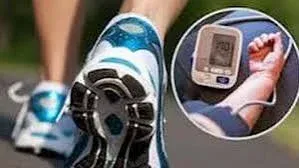
New Delhi:- Dr. Tiffany S. of the Center for Genetic Cardiovascular Disease at Stanford University School of Medicine. According to Di Pietro, blood pressure starts increasing in the morning and gradually decreases in the evening. People whose blood pressure rises suddenly in the morning or remains high at night often face greater health risks. This is why walking is important in controlling blood pressure.
This is because the blood pressure lowering effect of a single walk can last for hours, known as “post-exercise low blood pressure.” Therefore, what time you walk may affect when the blood pressure lowering effect is actually seen.
Some evidence suggests that taking a walk in the afternoon or evening may be beneficial for blood pressure. A 2019 US study found that aerobic activity performed in the evening led to a significant reduction in systolic blood pressure after exercise compared to morning exercise or a control group.
However, there remains disagreement in the medical world regarding the timing of exercise, and results may vary from person to person, but any differences based on timing are likely to be minor and will not be universal.
Additionally, high-intensity exercise close to bedtime may reduce sleep quality or cause difficulty falling asleep, so people who have trouble sleeping after brisk walking should avoid it and can exercise at any time of the day.
Scientific evidence and practical experience show that walking is the best time to lower blood pressure when you can do it regularly. Although more and more people, especially youth, are becoming lazy to exercise and not meeting the recommended weekly exercise time, prioritizing regular and consistent exercise is more important than choosing a specific time or appropriate exercise.
- Other factors that affect the blood pressure lowering benefits of walking
In addition to time, several factors can affect the effectiveness of walking in controlling blood pressure, including:
Consistency: The most obvious benefit of walking comes from regular exercise over long periods of time. Dr. Tiffany S. Di Pietro says regular walking over weeks and months can help maintain consistent average blood pressure levels.
Initial blood pressure: People with high blood pressure often report more significant improvement when they begin walking.
Unhealthy Habits: Insufficient sleep and constant stress can increase blood pressure and reduce the effectiveness of running.
Diet is also very important; Excess sodium, alcohol consumption, and poor nutrition all play a role. Therefore, to maintain the benefits of walking in lowering blood pressure, it is essential to lead a healthy and active lifestyle.
Pace: Walking fast enough to get the heart rate up, but still allowing you to talk (not sing), provides the best benefits for blood pressure. The American Heart Association recommends that everyone get at least 150 minutes of moderate-intensity physical activity per week, including brisk walking.
Post Views: 80
Contact to : xlf550402@gmail.com
Copyright © boyuanhulian 2020 - 2023. All Right Reserved.