
Experts believe we can eat ourselves happy by cutting out ultra-processed food and replacing it with gut-friendly alternatives. These include sauerkraut, berries and even good old-fashioned cottage cheese, which can help boost brain function and improve mood, according to a Tonight programme investigation.
Scientists believe that having good gut health is the key to improving how we’re feeling - both physically and mentally. Nutritionist Dr Megan Rossi says that while people who eat lots of ultra-processed food might enjoy instant gratification, it isn’t good for mental health or mood - unlike certain fibre, which feeds ‘good gut bacteria.’ She says: “If you feed those good gut bacteria, they send very positive messages to your brain, so it's called the gut brain axis.”
The gut-brain axis is a two way communication between the gut and the brain, thought to be fuelled by the trillions of micro-organisms that live in the gut, also known as the gut-microbiome. Spikes in blood sugar have been linked with dips in mood and energy, after the initial dopamine hit has subsided.
• Eating a well balanced breakfast can make you more dateable, new research reveals
So, if you’re thinking of reaching for a snack to boost your energy, it might be worth considering what could help long-term, rather than what might be a quick fix. Research also suggests that ultra-processed food, such as mass produced bread, crisps, biscuits, ham and ice-cream, may have a negative effect on the gut microbiome.
Dr Rossi says: “A lot of these ultra processed foods, they don't have that sustained kind of brain fuel. It's starving your gut microbes, and we know these trillions of bacteria in your gut are doing things like reporting back to your brain and helping your brain function.” Fermented dairy products, such as kefir and yoghurt, are considered to be probiotics, because they contain live bacteria which help boost our microbiome.
Professor Jonathan Swann, from the University of Southampton, is the lead researcher for the Gut-Immune-Brain-Axis Network. He says: “We know that when you're nervous or stressed, you have what's referred to as butterflies in your stomach and that in itself can shape the microorganisms. But there's also lots of evidence now that the microorganisms themselves can talk to the brain.” With mental health disorders affecting one in four people, scientists now believe that gut health could be the next frontier in treatment.
Professor Swann says: “If you have a low fibre diet that can impact on your gut wall, your gut permeability, which can itself have an impact on inflammation, which has been linked to things like depression, lowering of mood, decline in mental health.” Professor Swann stresses that increasing our fibre intake is key to improving gut-brain health.
Fibre-maxxing - getting as much fibre into your diet as possible - is now even trending on social media. But for those looking to get a high-protein, low-fat boost to their diet, another lowly product is also trending - cottage cheese. Industry reports claim that sales of the product have ballooned by 138% in the last twelve months.

In Yorkshire, Jimmy Dickinson’s family was the first supplier to the UK market. He says: “Cottage cheese absolutely took off during the 1970s and 1980s. “[Then] it died a slow death. I actually thought we were going to be the last cottage cheese maker in the country. But now on the upside of the rollercoaster, the thing's taken off again. The minute TikTok got hold of it, then the whole thing went absolutely bonkers. People are looking for natural sources of protein and they're wanting to keep away from fats.”
Jimmy’s cottage cheese is also considered a probiotic because it contains live bacteria, which can be added as part of the production process. This has led to some people referring to is as a ‘good mood food.’ Fermented sauerkraut is also being hailed as a superfood.
Fermentation expert Dr Jonny Drain says: “Fermenting is cooking with microbes, so normally we cook with heat, we change the flavour or the texture. When we ferment, we're doing those same things, changing flavour, colour, texture, but we're using microbes or microorganisms. If we all eat a wide range of fermented foods, then that's really good for our gut microbiomes and that's associated with a bunch of really positive health outcomes.”
The fermentation process, which is the same for kimchi and sauerkraut, encourages the microbes that are naturally occurring on the veg to continue their life cycle and produce lactic acid. By eating this, you’re essentially adding more live bacteria to your gut, and some studies suggest this can bring down inflammatory markers.
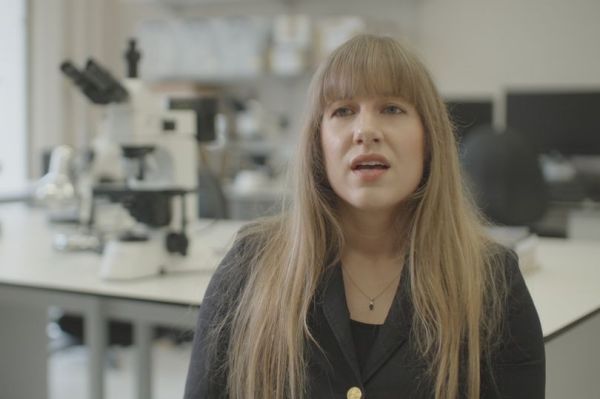
But those who are immuno compromised should consult their doctor before trying, as probiotics can pose a risk of infection to people with weakened immune systems. Health psychologist Dr Jenna Cummings has been finding out why people turn to certain comfort foods.
Using pictures of foods of various nutritional quality, she asked participants to record how they felt when they imagined eating them. Jenna says: “We found that the top five foods that people expected to make them feel happy were ice cream, chocolate, strawberries, cake, and number five, roast dinner.”
During this study, researchers found that 84% of participants engaged in some form of comfort eating. Jenna says: “Our eating sometimes is driven by emotions like sadness, stress, boredom. If we're really excited and we're celebrating that can also drive us to eat more food than we normally would.”
Foods that are high in fat and sugar trigger what is known as our ‘reward’ sensors, which means that over time we develop an expectation about how certain foods may make us feel. Jenna says: “Think of a child the first time they're introduced to a piece of cake. They're also surrounded by their family and friends and so, overall, it's just this positive experience.

“What we find is these positive memories stick with us and we develop what we call expectancies. There is very little research to suggest that comfort food actually comforts us more than something else, like simply waiting for time to pass by.” Experts now hope that if we change our expectations it may make us reach for the healthier option.
Megan's top mood boosting foodsDark chocolate - dark chocolate contains polyphenols - plant chemicals that have been shown to increase blood flow to the brain. They’re also found in rich coloured fruit and vegetables.
Berries - those with rich colours contain polyphenols, which help nourish the brain. They also contain fibre. Raspberries are really high in dietary fibre, which feed those gut bacteria. We know when we have these polyphenols and the fibre, it really strengthens our gut lining and supports that gut brain communication.
Green leafy veg - contain nutrients which help the body to produce serotonin - the happy hormone.
Oily fish - such as salmon supports the brain, whether tinned or fresh.
Walnuts - a good source of healthy fats as well as fibres
Chia seeds/pearl barley - Megan says an easy way to get the recommended 30g of fibre a day is to add one tablespoon of chia seeds a day, or add pearl barley into recipes.
*Diet: Can you eat yourself happy? An episode of the Tonight series is on ITV1 7pm Thursday.
• A to Z of tips for getting to sleep in the summer to stop those restless nights
Contact to : xlf550402@gmail.com
Copyright © boyuanhulian 2020 - 2023. All Right Reserved.