Brits have been urged to take precautions before venturing out for walks in nature due to a significant health risk.
The UK Health Security Agency (UKHSA) has provided advice on how to protect oneself from ticks. Ticks are tiny, spider-like creatures that inhabit long undergrowth and latch onto animals, including humans, when they traverse through tall grass. They are becoming increasingly prevalent in parts of the UK, primarily due to expanding deer populations. While feeding, they can transmit viruses and infections that lead to illness, with Lyme disease being the most common.
In a message posted on X, the UKHSA said: "Planning a trip into the wilderness? Don't forget the essentials... Good walking shoes? Plenty of water? Knowing which creepy-crawly to be aware of? That's a tick too."
- 'Golden' fruit claimed to help improve sleep and stops nighttime issue
- Jesy Nelson's ‘bittersweet’ moment as major SMA test update announced
In an infographic, it outlined how to keep yourself safe from ticks. These steps included:
- Use a repellent that prevents ticks
- Wear long sleeves and long trousers to reduce direct skin exposure
- Keep to clearly defined paths and avoid brushing against vegetation
- Regularly check for ticks and brush off any you find immediately
- When you’re back indoors, check for any ticks on you, your children and pets
- If you find a tick, safely remove it as soon as possible
 What is Lyme disease?
 Lyme disease is caused by a bacteria called Borrelia burgdorferi, which is most commonly spread to humans via infected ticks. However, not all ticks are infected - it is estimated that around 10 per cent of ticks in the UK carry Lyme disease.
The sooner you spot the signs of Lyme disease, the sooner you can seek the treatment you need.
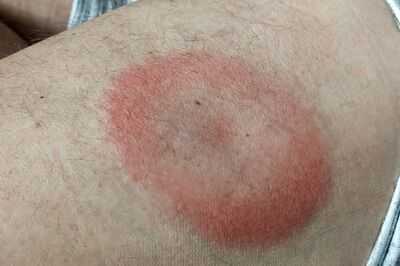
SymptomsAccording to the NHS, a circular or oval-shaped rash around a tick bite is an early symptom of Lyme disease in some people.
This rash usually appears within one to four weeks but it can appear up to three months after being bitten. It can last for several weeks.
“The rash may be flat, or slightly raised, and look pink, red, or purple when it appears on white skin,” the NHS explains.
“It can be harder to see the rash on brown and black skin and it may look like a bruise.”
Other common symptoms include:
- A high temperature
- Feeling hot and shivery
- Headache
- Muscle and joint pain
- Tiredness and loss of energy
Some people with Lyme disease can experience severe side effects, which is more likely if treatment is delayed.
The Centres for Disease Control and Prevention says these can include:
- Severe headaches and neck stiffness
- Facial palsy (loss of muscle tone or droop on one or both sides of the face)
- Arthritis with severe joint pain and swelling, particularly the knees and other large joints.
- Intermittent pain in tendons, muscles, joints, and bones
- Heart palpitations or an irregular heartbeat (Lyme carditis)
- Episodes of dizziness or shortness of breath
- Inflammation of the brain and spinal cord
- Nerve pain
- Shooting pains, numbness, or tingling in the hands or feet
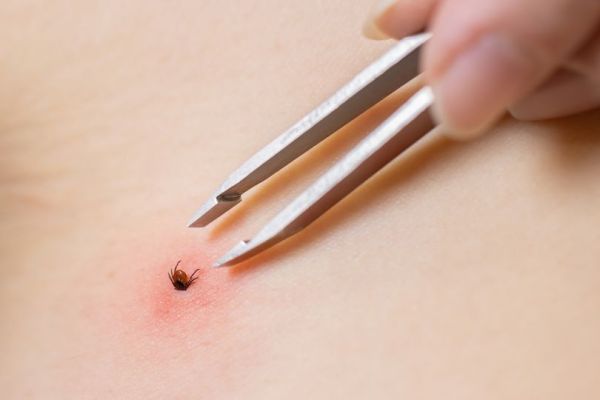
To safely remove a tick the NHS advice is:
- Use fine-tipped tweezers or a tick-removal tool. You can buy these from some pharmacies, vets and pet shops
- Grasp the tick as close to the skin as possible
- Slowly pull upwards, taking care not to squeeze or crush the tick. Dispose of it when you have removed it
- Clean the bite with antiseptic or soap and water
Contact to : xlf550402@gmail.com
Copyright © boyuanhulian 2020 - 2023. All Right Reserved.