

A little-known clause buried within package holiday terms and conditions could leave travellers facing a bill of hundreds of pounds more - even after they've already booked and paid in full.
An investigation by Which? brought attention to the obscure clause contained within Package Travel Regulations. It states that UK holiday companies can impose a surcharge of up to 8% on the total cost of a package holiday, without being required to offer the option of a free cancellation, under three specific circumstances.
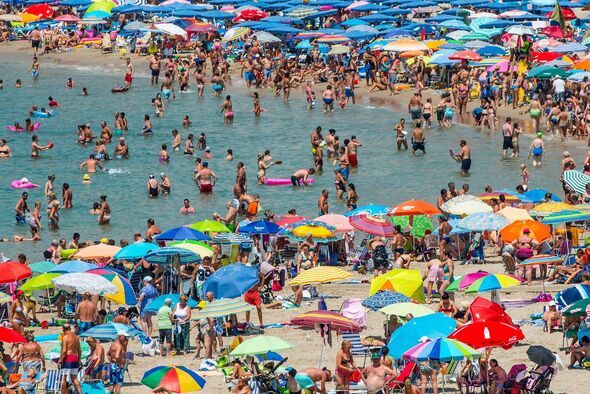
These circumstances include: a destination bringing in additional taxes or other costs, a large fluctuation in currency values, or an increase in the cost of fuel or power. Given the ongoing conflict in the Middle East, fuel prices have been rising considerably, meaning package holiday firms could potentially invoke this clause for Britons who've already secured their bookings should these costs continue to climb.
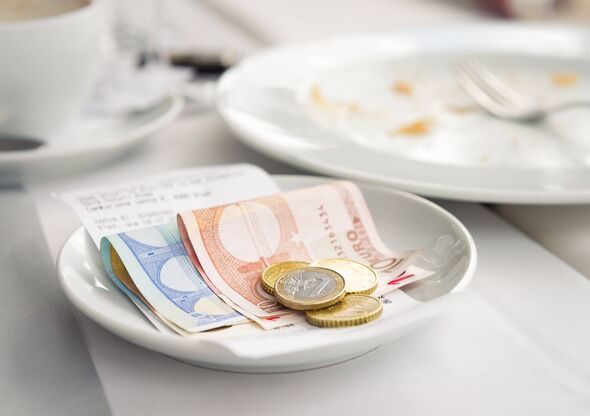
Should the full 8% surcharge be applied, a family of four who have spent £2,500 on a holiday could find themselves forking out an additional £200 to their package holiday provider, or face the prospect of their trip being cancelled altogether, reports the Mirror.
Nevertheless, package holiday firms must adhere to strict rules before passing these additional charges on to customers. The increase can only be linked to specific costs, it must be charged no later than 20 days before the holiday departure date, and if the price increase is more than 8% of the holiday cost then travellers have a right to cancel for free.
However, should a holiday company include this clause within their terms and conditions, it can equally benefit the customer. The regulations specify: "If the organiser reserves the right to a price increase, the traveller has a right to a price reduction if there is a decrease in the relevant costs."
Which? approached multiple holiday companies to seek reassurance for consumers who have already made bookings with them. Trailfinders, Destination2, Kuoni, Jet2holidays, Olympic Holidays, and Beachcomber Tours informed Which? that they were committed to not imposing surcharges on customers. On The Beach and BA Holidays also issued similar assurances and would not be introducing these fees.
Loveholidays told the consumer publication it had "no intention" of levying surcharges, while easyJet also stated it has "no plans to in 2026". Meanwhile, Lastminute.com said while it wouldn't impose a surcharge itself, it couldn't provide guarantees that airlines wouldn't add extra costs.
TUI and Booking.com were approached for comment by both Which? and the Mirror and are yet to respond.
Brits who have yet to secure their holiday this year have also been cautioned they may discover it more costly than usual to book, particularly in destinations such as Spain experiencing higher than normal demand.
The price of jet fuel has more than doubled owing to the situation in the Middle East, and it's probable that these costs will be transferred to consumers. A scarcity of fuel could potentially result in airlines cancelling flights, and fewer available seats also translate to increased costs.
Which? also offers the following guidance for holidaymakers booking their getaway during uncertain times: "Bear in mind that the cheapest option is not necessarily the best, particularly in the event of travel disruption. Choose a firm that has good customer service."
Have a story you want to share? Email us at webtravel@reachplc.com
Contact to : xlf550402@gmail.com
Copyright © boyuanhulian 2020 - 2023. All Right Reserved.