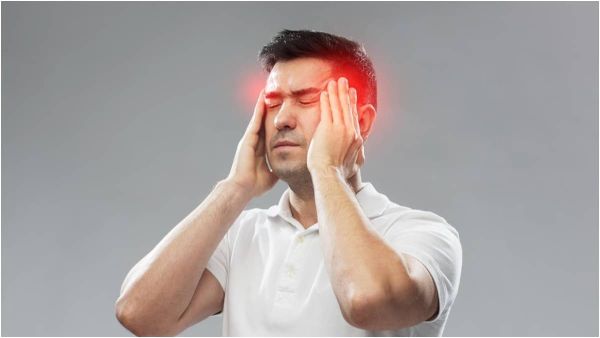
A stroke occurs when the supply of oxygen and blood to the brain is suddenly reduced or is completely cut off. If timely medical treatment is not received, it can be fatal within minutes, or the individual may suffer from permanent paralysis. This is why a stroke is considered a medical emergency. Although strokes often strike suddenly, in most cases, the body begins to exhibit certain warning signs beforehand. Symptoms of stroke may appear weeks or even months prior to the actual stroke and you may not be aware of them.
A stroke can be prevented, or its severe consequences can be mitigated if warning signs are detected on time.
Unusual and persistent headaches
A headache preceding a stroke differs significantly from a common headache. It may begin suddenly without any apparent cause, is typically more intense and persists for an extended period. Often, even pain medication fails to provide relief. This headache may be accompanied by other symptoms such as dizziness, nausea or blurred vision. These could be early indicators of increased pressure or bleeding within the brain. If a headache feels different from usual and persists continuously, it is imperative to consult a doctor immediately.
Weakness or numbness in one part of the body
The sudden onset of weakness or numbness in the face, arm, or leg—particularly on one specific side of the body—is a critical warning sign of a stroke. In some instances, this weakness is mild and resolves after a short while, leading people to overlook it. However, the recurrence of such episodes can be dangerous. This symptom indicates that blood flow to a specific region of the brain is becoming compromised.
Difficulty in speech and comprehension
Prior to a stroke, an individual may have slurred speech, struggle to find the right words or have difficulty understanding what others are saying. Sometimes, the individual themselves may realise that they are unable to speak properly. This signals an impact on the specific area of the brain responsible for controlling language and comprehension. This symptom typically manifests suddenly and should never be taken lightly.
Sudden vision-related problems
According to a PMC report, sudden blurred vision, double vision, seeing flashing lights before the eyes or diminished vision in one eye can be signs of a stroke. In some instances, the field of vision itself may narrow. Such symptoms may be associated with a Transient Ischemic Attack (TIA), also known as a "mini-stroke", which can progress into a major stroke.
Dizziness, loss of balance and difficulty in walking
If you experience dizziness without any apparent cause, a staggering gait while walking or repeated loss of body balance, these too may be warning signs of a stroke. Such symptoms manifest when there is a reduced blood supply to the areas of the brain responsible for balance and coordination.
Disclaimer: The information provided here is based on research studies and expert opinions. It should not be construed as a substitute for professional medical advice. Always consult your doctor or a relevant medical specialist before adopting any new physical activity or exercise regimen.
Contact to : xlf550402@gmail.com
Copyright © boyuanhulian 2020 - 2023. All Right Reserved.