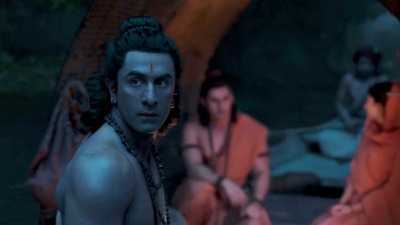
As the movie prepares for a worldwide IMAX premiere on Diwali 2026, the argument exposes an intriguing difference between modern Hindi and ancient Sanskrit.
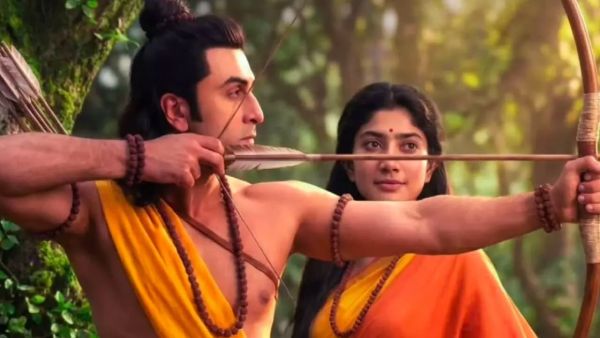
The first glimpse of Nitesh Tiwari's magnum opus, officially titled "Rama," was revealed on April 2 to commemorate Hanuman Jayanti. While the trailer wowed spectators with its Rs 4,000 crore budget and Ranbir Kapoor's peaceful portrayal of the namesake god, it quickly sparked a heated linguistic dispute on social media.
Critics in the Hindi heartland have questioned the usage of the "a" at the end of the name, characterising it as a "Anglicised" or Westernised version of the traditional Indian "Ram".
However, rather than being a colonial addition, critics believe the choice of "Rama" represents a purposeful return to the epic's roots. As the picture prepares for a global IMAX premiere on Diwali 2026, the argument shows an intriguing difference between modern Hindi and ancient Sanskrit.
The most widespread myth in this dispute is that British scholars inserted the "a" to help English people pronounce Indian names. In actuality, the letter "a" is an important part of the original Sanskrit name. In Sanskrit, the word is spelt as Rāma, with the ending "a" representing a short vowel sound (the schwa). This vowel is essential to the grammatical framework of the language.
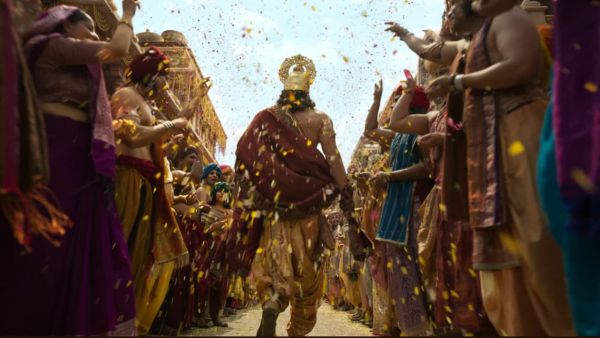
The reason most north Indians speak "Ram" rather than "Rama" is a language quirk called as Schwa Deletion. Over centuries, modern Indo-Aryan languages such as Hindi, Punjabi, and Gujarati have developed to eliminate the short "a" sound at the end of syllables. While the Devanagari script retains the letter, the spoken version "deletes" the last vowel. Thus, while "Ram" is the proper Hindi pronunciation, "Rama" is the phonetically correct Sanskrit pronunciation.
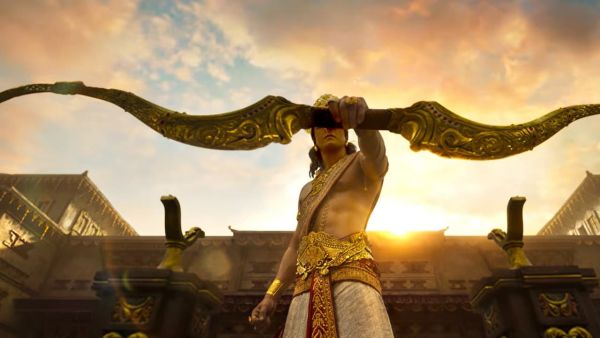
The directors' choice of "Rama" signals a "Sanskrit-first" strategy that crosses regional borders. In southern India, where languages such as Telugu, Kannada, Tamil, and Malayalam maintain many of Sanskrit's final vowel sounds, the name has traditionally been Rama, Ramudu, or Raman. Using "Ram" would have largely targeted the Hindi-speaking region, but "Rama" acts as a cultural bridge for a genuinely pan-Indian audience.
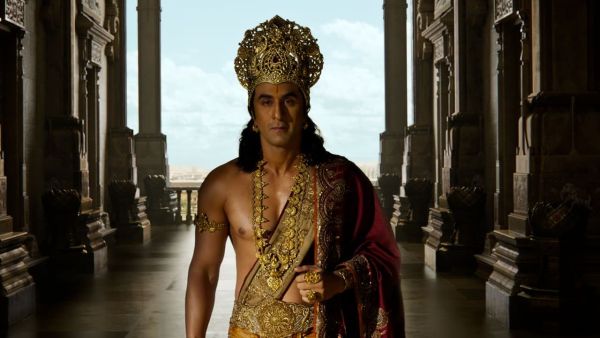
The beauty of the Indian language environment is that both forms are "correct" in their own circumstances. "Ram" is a live, breathing name that appears in everyday prayers and conversations throughout northern India. "Rama" is the formal, liturgical term used in the original Valmiki poems. The dispute has been exacerbated by the fact that many fans find the English spelling of "Rama" puzzling, frequently mispronouncing it with a long "aa" at the end (like Raamaa), which in Sanskrit denotes a female name.
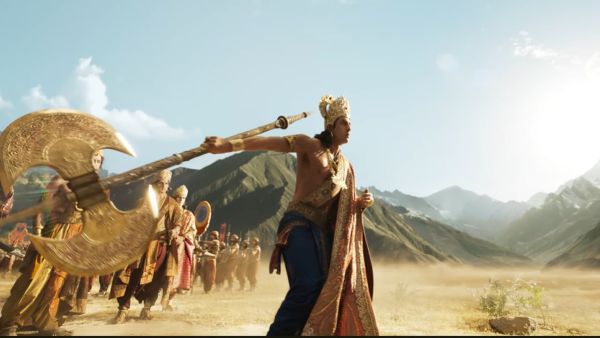
Despite the initial backlash on social media, the decision echoes a larger tendency in Indian cinema: reclaiming the original phonetics of ancient literature. Following the visual "fumble" of earlier adaptations, Nitesh Tiwari's "Rama" appears to prioritise realism in both CGI and language. It remains to be seen if this "Sanskrit-centric" branding will appeal to Hindi purists, but for the time being, the "a" will remain in place as the film prepares for its historic Diwali launch.
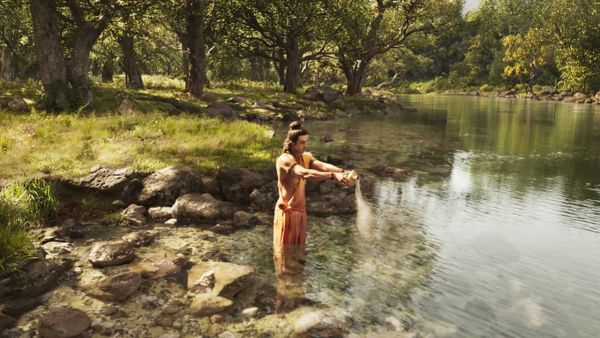
The April 2026 teaser is only the first instalment of a planned two-part story. With Part 1 focused on the Lord's early life and exile, and Part 2 (planned for Diwali 2027) covering the epic conflict in Lanka, the filmmakers have a long road ahead of them to manage public expectations.
Producer Namit Malhotra has stated that the project is a "deep responsibility," and the crew has allegedly spent months conferring with Sanskrit historians to ensure that the language and titles capture the epic's "true spirit." As the argument continues, one thing is certain: by initiating a discussion about the very origins of the word, the film has already achieved a level of engagement that most marketing efforts can only hope for.
Contact to : xlf550402@gmail.com
Copyright © boyuanhulian 2020 - 2023. All Right Reserved.