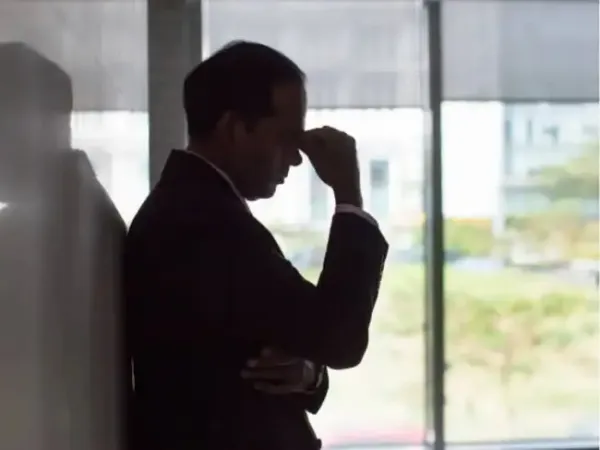
A distressed employee recently shared a troubling workplace experience on the Indian Workplace subreddit, highlighting how the passing of a colleague was handled with surprising indifference inside the office.
A Loss Met With Silence
According to the employee, a team member passed away early in the morning, and the human resources department was informed soon after. Despite this, there was no communication to the rest of the staff for most of the day. Work carried on as usual, with meetings, tasks, and deadlines proceeding without interruption, as if nothing significant had happened.
It was only late in the afternoon, close to the end of the workday, that employees were finally informed about the tragic incident. Even then, the response felt minimal. Staff members were told they could leave early, but by that point, the day was nearly over, making the gesture seem more procedural than compassionate.
A Return to Routine
The following day, the workplace appeared to have completely resumed its normal rhythm. Schedules were active, discussions were ongoing, and deadlines remained unchanged. While a few individuals were visibly emotional and quietly grieving, they continued to work through their tasks, seemingly expected to carry on without pause.
The employee found it difficult to process how quickly everything moved on. The thought that lingered most was how soon the deceased colleague’s position would likely be filled. In a matter of weeks, someone new would occupy the same desk, continuing the same responsibilities. Meanwhile, for the colleague’s family, life would never return to what it once was.
Reflections on Workplace Culture
The incident left the employee questioning what an appropriate response should look like in such situations. While there may not be a universally correct way to handle workplace loss, the lack of acknowledgment and emotional space felt unsettling and impersonal.
Online Reactions
The post resonated with many users online. One commenter reflected on how employees are often treated as replaceable units rather than individuals, noting that terms like “resources” reinforce that perception. Another user expressed sympathy while acknowledging the harsh reality of corporate environments, where work continues regardless of personal loss, and roles are eventually filled even as families continue to grieve.
A Loss Met With Silence
According to the employee, a team member passed away early in the morning, and the human resources department was informed soon after. Despite this, there was no communication to the rest of the staff for most of the day. Work carried on as usual, with meetings, tasks, and deadlines proceeding without interruption, as if nothing significant had happened.It was only late in the afternoon, close to the end of the workday, that employees were finally informed about the tragic incident. Even then, the response felt minimal. Staff members were told they could leave early, but by that point, the day was nearly over, making the gesture seem more procedural than compassionate.
A Return to Routine
The following day, the workplace appeared to have completely resumed its normal rhythm. Schedules were active, discussions were ongoing, and deadlines remained unchanged. While a few individuals were visibly emotional and quietly grieving, they continued to work through their tasks, seemingly expected to carry on without pause.The employee found it difficult to process how quickly everything moved on. The thought that lingered most was how soon the deceased colleague’s position would likely be filled. In a matter of weeks, someone new would occupy the same desk, continuing the same responsibilities. Meanwhile, for the colleague’s family, life would never return to what it once was.