
A pillow might appear perfectly clean on the surface, comfortably tucked within a brand-new pillow case, but appearances are deceptive. A pillow absorbs sweat, body oils, dust particles, and even dead skin cells over a period of time without your being aware of it. At some point, you'll realise that your pillow has lost its freshness.
However, many believe that replacing your pillowcases frequently should be done. This may be the case, but it does not address the entire issue. Your pillows also require some maintenance to maintain their freshness, softness, and overall hygiene.
How often should you clean it?
This is dependent on how you use your pillows, but on average, most professionals advise cleaning pillows every three to six months. It will help get rid of all the dust, oil, and sweat that settle in the pillows after use.
Bedding research studies indicate that pillows can become reservoirs of bacteria and allergens when they are not cleaned regularly. For instance, research such as
published in the New England Journal of Medicine, highlights how bedding materials can accumulate significant levels of dust mite allergens, especially in warm and humid conditions. Over time, pillows can trap microorganisms and allergens, which may affect sleep quality and trigger sensitivities.
However, if some of the individuals are prone to night sweating, or suffer from allergy problems, or sleep with their pets, it will be better to wash the pillows once every two or three months. This is just advice that may be followed or ignored depending on the individual circumstances. attention to how your pillow feels and smells over time.
However, there is one common practice which people generally overlook – pillow washing. It is recommended to wash the pillowcases regularly, preferably once a week. According to the American Academy of Dermatology, dirt, oils, and germs on the textiles that come in contact with the skin can worsen acne and irritations. Therefore, regular cleaning will prevent further impurities from penetrating deep into the pillow.
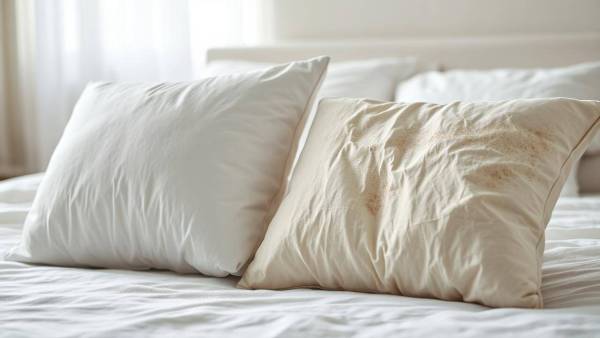
The filling of the pillow also plays an important role
Not all pillows are alike, and the choice of washing methods varies depending on their content.
Down and microfiber pillows are usually the easiest to manage. Most can go straight into the washing machine on a gentle cycle with mild detergent. The key is balance. Washing two pillows at once keeps the machine steady and allows for an even clean.
These types of pillows should be handled with care since they absorb moisture and will not keep their shape once they have been completely wetted, hence spot-cleaning them would be ideal. Use slightly soapy water on a piece of soft fabric, be careful, and be patient. They must dry thoroughly, as doing otherwise might distort them.
Whirlpool appliance professionals, as well as Persil, stress the significance of adhering to care label recommendations. It may appear obvious, but it goes a long way in avoiding expensive blunders.
Dryer usage is just as important as washing. Even a little moisture inside the pillow can promote mould growth. Whenever possible, drying the pillow in sunlight is the easiest method. Otherwise, choose a gentle heat setting and allow adequate time for thorough drying.
Knowing when to clean and when to replace your pillow
Even regular cleaning cannot ensure eternal life for your pillow. Eventually, it will wear out and no longer provide sufficient support.
A simple test can help. Fold your pillow in half and release it. If it does not bounce back into shape, it is likely time for a replacement. Most experts suggest changing pillows every one to two years, depending on use and material quality.
A hygienic element is also associated with this topic. For instance, according to the same research published in the New England Journal of Medicine, older pillows contain house dust mite allergens, which are difficult to completely eliminate through laundering. Continuous exposure to these allergens could negatively affect one’s sleep and cause discomfort while breathing.
Small signs often appear before bigger problems. A lingering smell, visible lumps, or waking up with neck discomfort are all quiet signals that your pillow is past its prime.
Preservation of pillows is not rocket science; it simply follows a routine of regularly washing your pillows, maintaining clean pillow covers, drying them properly, and replacing them when they no longer meet your requirements.
It might seem like a trivial matter, but it makes an impact on your rest at night.
Contact to : xlf550402@gmail.com
Copyright © boyuanhulian 2020 - 2023. All Right Reserved.