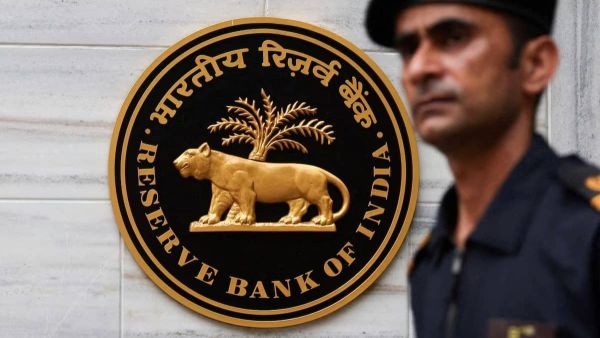
The Reserve Bank of India (RBI) has issued fresh guidelines to speed up cross-border inward payments, while separately proposing new safeguards, including a potential delay on certain high-value digital transactions, to tackle rising fraud.
Faster Credit for Cross-Border Payments
In a circular issued to scheduled commercial banks, the RBI asked lenders to streamline processes so that funds sent from abroad are credited to beneficiaries more quickly.
The central bank said delays are often seen at the final stage, where beneficiary banks take time to process incoming payments and credit customer accounts. To address this, banks have been directed to immediately notify customers upon receipt of cross-border payment messages.
If such messages arrive after working hours, customers must be informed at the start of the next business day.
The RBI also flagged delays caused by reliance on end-of-day reconciliation of nostro accounts, which are foreign currency accounts held by domestic banks abroad. Banks have now been advised to move to near-real-time or more frequent reconciliation, with intervals ideally not exceeding one hour.
Further, lenders have been asked to ensure that payments received during foreign exchange market hours are credited within the same business day.
The central bank also allowed banks to introduce straight-through processing for inward payments to resident individuals, subject to risk assessment and compliance with FEMA guidelines. In addition, banks have been encouraged to build digital interfaces that allow customers to submit documents and track cross-border transactions.
These directions will come into effect six months from the date of the circular.
Proposal to Add Friction in Digital Payments
In a separate development, the RBI has suggested introducing a delay for certain digital payments above a defined threshold as part of efforts to reduce fraud.
In a discussion paper, the central bank outlined a possible time lag for authorised push-payment transactions exceeding ₹10,000. The idea is to create a buffer window that could help prevent fraudulent transfers before they are completed.
The RBI also proposed additional authentication requirements for high-value transactions, particularly for users considered more vulnerable to fraud.
Other measures under consideration include placing limits on credits into certain bank accounts without enhanced checks, and allowing users to enable customer-controlled safeguards, such as disabling specific digital payment channels.
Balancing Speed and Security
While the cross-border guidelines focus on reducing delays and improving efficiency, the proposed digital payment measures introduce friction into high-risk transactions. The RBI has invited stakeholder feedback on the fraud prevention proposals, indicating that the framework is still under consideration.
Contact to : xlf550402@gmail.com
Copyright © boyuanhulian 2020 - 2023. All Right Reserved.