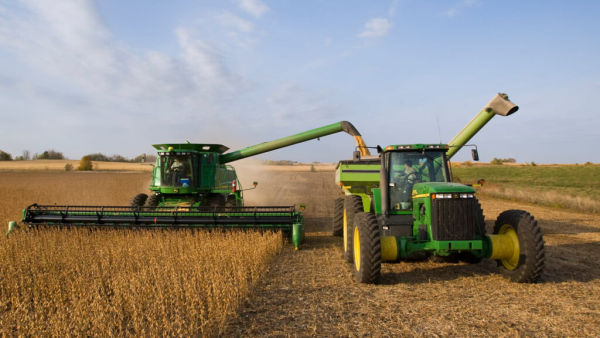
After years of frustration, lawsuits, and even farmers hacking their own machines just to keep them running, the long-running battle between farmers and John Deere has finally reached a turning point. The agricultural equipment giant has agreed to pay $99 million as part of a landmark right-to-repair settlement, giving farmers both financial compensation and something they’ve wanted for years: the freedom to fix their own equipment.
John Deere says the agreement is not an admission of wrongdoing. Still, the settlement marks one of the biggest wins yet for farmers pushing for greater control over the machines they depend on every day.
Farmers to Receive Compensation
The settlement creates a $99 million fund for farmers and agricultural businesses who were part of the class action lawsuit. Those eligible include customers who paid authorized John Deere dealers for repairs on large equipment starting in January 2018.
According to court documents, plaintiffs are expected to recover between 26% and 53% of overcharge damages. That’s significantly higher than typical class action settlements, which usually return between 5% and 15%.
For many farmers, this is about more than just money. Repair delays can mean missing harvest windows, losing crops, and taking major financial hits. When equipment broke down, farmers often had no choice but to wait for authorized technicians — sometimes for days — while costs piled up.
A Bigger Win: Access to Repair Tools
Perhaps the most important part of the settlement isn’t the money. It’s the agreement that John Deere will provide the digital tools needed to diagnose, maintain, and repair tractors, combines, and other equipment for the next 10 years.
That’s a big shift.
Until now, many farmers struggled to fix their own machines because key software and diagnostic tools were locked behind manufacturer controls. Some even turned to unofficial workarounds or software hacks just to get their equipment running again.
John Deere had previously signed a limited agreement in 2023 that allowed some third-party repairs. But this new settlement is stronger and legally binding, giving farmers more confidence that access won’t suddenly disappear.
How Repair Restrictions Changed the Market
The repair battle didn’t just affect farmers; it reshaped the entire used equipment market.
As repair restrictions tightened, demand for older, easier-to-fix machines surged. Farmers began searching for decades-old tractors that didn’t rely on complex software systems.
The result? Prices skyrocketed.
In some cases, 40-year-old tractors sold for as much as $60,000. Even at those prices, farmers saw them as a safer investment. Simpler machines meant faster repairs, less downtime, and more control.
The Legal Fight Isn’t Over Yet
The settlement still needs approval from a judge, though that’s widely expected. But John Deere isn’t completely out of the woods.
The company is also facing a lawsuit from the U.S. Federal Trade Commission, which accuses Deere of unfairly restricting repair access. That case could go even further, potentially setting legal precedent across industries.
Why This Matters Beyond Farming
The impact of this settlement could stretch far beyond agriculture. Automakers, electronics companies, and appliance manufacturers are all watching closely.
As more products become software-driven, manufacturers have gained greater control over repairs. That has sparked growing concern among consumers and businesses alike.
This settlement signals a shift. It suggests that companies may need to rethink how much control they keep after selling a product.
For farmers, though, the takeaway is simple: after years of fighting, they’ve won back a bit more control over the machines that keep their livelihoods running.
Contact to : xlf550402@gmail.com
Copyright © boyuanhulian 2020 - 2023. All Right Reserved.