- Now is the time to not only define PILs, but to abolish them altogether – Central Govt
- Many PILs are not motivated by public interest but by personal interest or specific agenda – Central Govt
- The social disparity that PIL started with now fills the gap with technology – the Central Govt
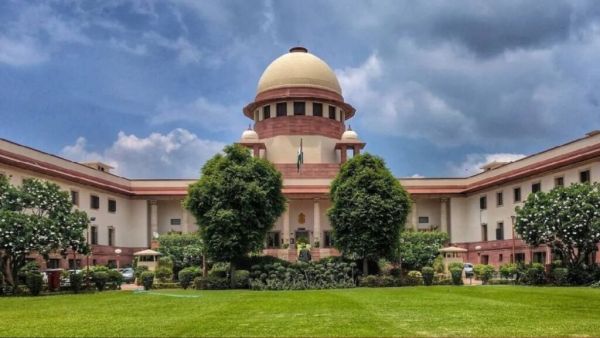
Even as the Supreme Court hears the landmark case to allow women of all ages to enter the Sabarimala temple, the central government has raised serious questions about the necessity of Public Interest Litigation (PIL). “Now is the time not only to define PILs, but to do away with them altogether,” the central government has made a sensational statement in its written arguments submitted to the court. Solicitor General Tushar Mehta made this argument before a nine-judge constitution bench hearing the questions raised in the review petitions in the Sabarimala case.
Solicitor General Tushar Mehta in his arguments commented on the changing nature of PILs. The concept of Public Interest Litigation was started at a time when large sections of the society could not reach the courts due to poverty, illiteracy and lack of resources. But today technology and facilities like ‘E-filing’ have opened the doors of court to common people. Now citizens can express their opinion directly in the court even through a letter. Therefore, the government has claimed that there is no special need for PIL.
BJP and RSS poisonous snakes…! Mallikarjun Kharge’s statement was taken seriously by Nitin Nabin
A ‘petition with a specific purpose’
The Solicitor General said that facilities like e-filing have made it easier for the common man to approach the High Court or the Supreme Court. Now there is no need for someone else to file a petition representing a particular class. Also, most of the petitions filed in the name of Public Interest Litigation have an ulterior motive. Mehta also alleged that someone is trying to achieve personal interest behind it.
Chief Justice Suryakant’s response to the government’s demand?
Chief Justice Suryakant agreed with the Solicitor General’s argument and said that courts have become more cautious with PILs. Courts now exercise extreme caution before accepting PILs. They scrutinize the reasons behind those filings. Now only those petitions which have merit or substantial basis are issued notices. A lot has changed in the 20 years from 2006 to 2026. It is likely that PILs will no longer be required.
PM Modi in West Bengal: PM Modi’s Elgar in West Bengal
More than 50 review petitions in Supreme Court
Meanwhile, the issue of discrimination against women at religious places has been pending in the courts of the country for the last 26 years. In 2018, a five-judge bench lifted the ban on women entering temples by a 4:1 majority. Several revision petitions were subsequently filed. A nine-judge constitution bench of the Supreme Court will hear more than 50 petitions from April 7 to April 22. The review petitioners and their supporters will present their arguments from April 7 to April 9, while those opposing the petition will present their arguments from April 14 to April 16.
Contact to : xlf550402@gmail.com
Copyright © boyuanhulian 2020 - 2023. All Right Reserved.