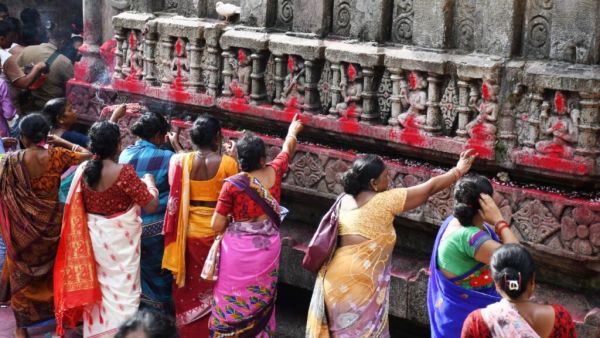
India is a country of faith and traditions, where every temple is known for its distinct identity, beliefs and rules. Here, from the method of worship to the rules for entering temples, there is some religious or cultural reason behind everything. Generally, entry into temples is open to all devotees, but there are some temples in the country where entry of men is prohibited due to special occasions or traditions.
There are different religious reasons and beliefs behind these rules, such as penance of the Goddess, respect for women’s power or special worship methods. The traditions of these temples not only reflect faith but also highlight the diversity and depth of Indian culture.
Kamakhya Temple, Assam
Kamakhya Temple located in Guwahati, Assam is one of the major temples of Shakti Peethas. The ‘Ambubachi’ festival is celebrated here every year, which is associated with the goddess’s annual menstruation. During this time the temple remains closed for a few days and entry of men is completely prohibited at this time. Only female priests serve the temple. This tradition is a symbol of respecting women’s power and the cycles of nature.
Brahma Temple, Pushkar
Brahma Temple located in Pushkar, Rajasthan is the only major temple in India dedicated to Lord Brahma. The belief to this temple is very interesting. It is said that if married men enter the sanctum sanctorum of this temple, there may be obstacles in their marital life. For this reason married men are prevented from entering the temple. This tradition is still followed by devotees.
Attukal Bhagavathi Temple, Kerala
Attukal Bhagwati Temple located in Thiruvananthapuram, Kerala is famous all over the world for its unique tradition. Every year a grand festival named ‘Attukal Pongala’ is organized here, in which lakhs of women come together and offer offerings to the goddess. This event has also made a place in the ‘Guinness Book of World Records’, because it is considered to be the largest religious gathering of women. On this special day, there is a complete ban on men’s entry into the temple premises. This tradition is performed to honor the strength of women and their faith.
Chakkulathukavu Temple, Kerala
Chakkulathukavu temple of Kerala is dedicated to Goddess Bhagwati and ‘Nari Puja’ is organized here every year. On this special occasion, women observe a fast for 10 days and then perform special puja in the temple. A unique tradition is followed on this day, in which male priests wash the feet of women. It is a symbol of respect for women and their sacrifice. During ‘Nari Puja’, men are prohibited from entering the temple and the entire premises is reserved only for women.
Bhagavathi Amman Temple, Kanyakumari
Bhagwati Amman Temple located in Kanyakumari, Tamil Nadu is dedicated to Goddess Kumari, who is considered an ascetic goddess. According to mythology, the goddess had performed rigorous penance to get Lord Shiva as her husband. For this reason, there is a ban on entry of married men into this temple, while unmarried men can go only till the entrance of the temple. This tradition is performed to honor the penance of the goddess and her ascetic nature.
Kottankulangara Sri Devi Temple, Kerala
Kottankulangara Sri Devi Temple of Kerala is famous for its unique tradition ‘Chamayavilakku’. In this tradition, men worship the Goddess by dressing up as women, i.e. wearing saree and makeup. This tradition gives the message of eliminating gender discrimination in the society and treating everyone as equal before the Goddess. Here even small boys take part in this tradition and receive blessings from the goddess.
Contact to : xlf550402@gmail.com
Copyright © boyuanhulian 2020 - 2023. All Right Reserved.