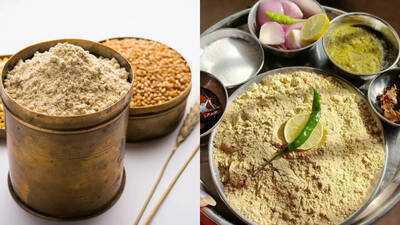
Satuani, also known as Satuaan is a traditional harvest festival celebrated mainly in Bihar, eastern Uttar Pradesh, and parts of Jharkhand. It is celebrated on April 14, and marks the beginning of the solar new year and the transition into peak summer.
On this day, people donate sattu along with ambi (raw mango), grains (rice, dal, atta, , veggies like potato, and jaggery along with money and clothes to the needy. This symbolises gratitude and reflects the basic human behaviour of helping others amidst the acute summer months.
Importance of Satuani
According to legends, the festival reflects a way of life rooted in nature and traditional wisdom. Unlike grand and elaborate festivals, Satuani is simple and grounded, reflecting the agrarian lifestyle where food is prepared with minimal ingredients but maximum nourishment. It is a celebration of regional identity, where families come together to donate and then prepare dishes with sattu and consume them together to strengthen community bonds and preserve local heritage. For present times, the festival of Satuani serves as a reminder to slow down and eat mindfully.
Benefits of Sattu in summer
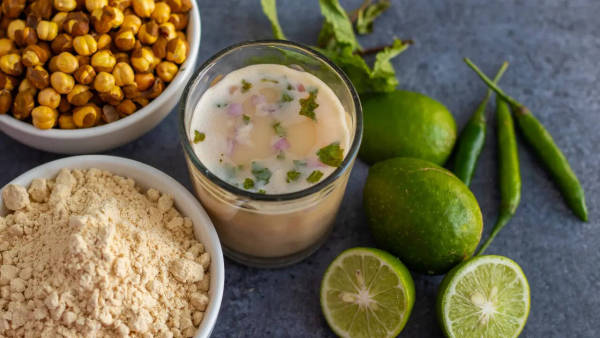
Sattu is a rich source of protein, fiber, vitamins, and minerals such as calcium, magnesium, and iron, making it highly nutritious. Luke Coutinho, a certified nutritionist says that with a low glycemic index, sattu helps maintain steady blood glucose levels, making it suitable for diabetics and those aiming for stable energy without sugar spikes. Here are some simple and easy sattu recipes to try at home that can keep blood glucose levels under control. A also proves that sattu boosts digestion, regulates bowel movements, and reduces gas and acidity. It is also proven to effectively address digestive issues, especially in hot climates where it is traditionally consumed.
5 traditional ways to enjoy sattu
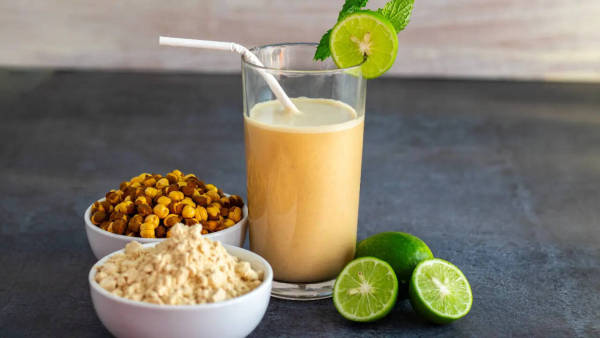
Sattu Sherbat: For this, add 4 tbsp sattu in a glass, 1.4 cup of plain/masala buttermilk, salt and black pepper to taste, ½ tsp chaat masala, 1 tsp lemon juice and 1 tsp chopped coriander leaves. Stir well and drink.
Sattu Bharta: This tastes well with dal and rice as a side dish. All you need to do is, take ½ cup sattu, add 1 chopped onion, 1 finely chopped green chili, 3-4 chopped garlic cloves, 2 tbsp lemon juice, salt and pepper to taste. Add a tempering of mustard oil, cumin seeds and black mustard seeds. Mix all the ingredients to form a binding consistency. Serve with steamed rice, dal and pickle.
Sattu Paratha: Make a stuffing of 100 gms sattu, 2 tsp oil, 1 onion,3-4 garlic cloves, cumin seeds, salt and pepper. Also, knead a soft dough using multi-grain flour or wheat flour. Shape small balls and stuff them with 1 ½ tsp sattu stuffing and roll the parathas using a rolling pin. Cook parathas on a tawa using mustard oil or ghee. Serve hot with curd and pickle.

Litti: This is the most famous sattu dish. To make it at home, you need to mix 1 cup sattu, salt, black pepper, 2 green chilies, 1 onion, 4-6 garlic cloves, 1 inch grated ginger, pickle oil, and some lemon juice. Also, knead a dough of wheat flour and then make small balls of the dough. Fill the balls with 1 tbsp of sattu stuffing and then grill them on coal or a gas stove using a griller. Serve hot with baingan bharta and a dollop of ghee.
Sattu Porridge: This is made with sattu, ghee, powdered jaggery/sugar and water. All you need to do is, combine it all in a bowl and once all the ingredients bind well, consume it fresh.
Contact to : xlf550402@gmail.com
Copyright © boyuanhulian 2020 - 2023. All Right Reserved.