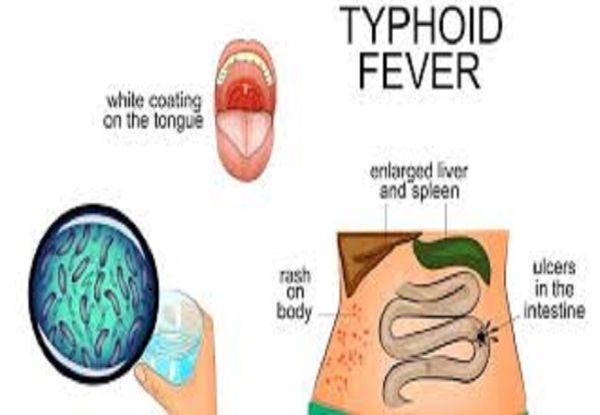
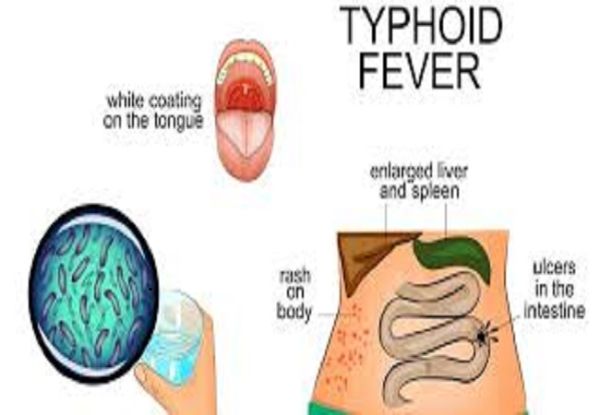
New Delhi. There is still a risk of typhoid fever due to contaminated food and water supplies, especially in areas without proper sanitation. Dangerous misconceptions can complicate diagnosis and treatment, leading to serious consequences for patients. Typhoid fever still affects millions of people each year, especially in countries where water is unsafe and sanitation systems are poor. The disease is caused by Salmonella typhi bacteria and spreads through contaminated food and water. Government health bodies such as the World Health Organization (WHO), India’s Ministry of Health and Family Welfare and the US Centers for Disease Control and Prevention clearly state that early diagnosis and correct treatment save lives. Still, many people reach the hospital late. The reason for this is not lack of medicines but misconceptions which delay treatment. Here are some harmful misconceptions about typhoid that often delay diagnosis, treatment, and recovery.
Read :- CMO office and Water Department take samples of one colony every day for eight months of the year, yet the residents of the capital are forced to drink dirty water, when will the report from the lab be unveiled?
Typhoid always begins with very high fever. Many people wait for high fever to pass before seeking treatment. This delay can be dangerous. According to the World Health Organization and CDC, typhoid often begins with mild fever, headache, weakness or abdominal discomfort. In the first week the temperature increases gradually and not suddenly. Because the symptoms seem “normal”, people mistake it for viral fever or food poisoning. By the time the fever becomes severe, the infection is well advanced. Early blood tests give the best results in the first week. Waiting reduces the accuracy of the test and delays the administration of antibiotics. Healthy beverages deeply cleanse the body. If the appetite is good, there can be no typhoid. A common belief is that typhoid patients cannot eat at all. Government health advice states that appetite The deficiency varies. Some patients may continue to eat little during the initial days of the illness. This false perception of normality may lead to a delay in testing.
Typhoid does not occur in clean houses
Even if the stomach feels almost fine, internal infection may increase. Typhoid cannot occur in clean houses. Typhoid is often linked simply to poor hygiene. The Ministry of Health and Family Welfare (MoHFW) has clearly stated that even clean homes can be in danger if drinking water, raw vegetables, ice cubes or outside food is contaminated. Typhoid bacteria cannot be seen, smelled, or tasted. This disease does not discriminate on the basis of hygiene, income or education.
stop taking antibiotics soon
Read :- The only city in India where water selling companies are banned, ‘Mineral water’ comes from the tap 24 hours a day, know how this amazing revolution happened?
Frequently consuming food from trusted local vendors, without checking whether the water is safe or not. Antibiotics can be stopped when the fever subsides. The fever often subsides within a few days of taking antibiotics. Because of this many people stop medicines early. Government treatment guidelines give strong warnings about this. Incomplete treatment allows the bacteria to survive. This increases the risk of disease relapse and drug resistance, which is a growing public health problem in India and around the world. And incomplete treatment can turn patients into carriers who spread the infection without showing any symptoms.
Vaccines do not provide lifelong protection
Typhoid vaccine provides lifelong protection. Typhoid vaccine is important, but it does not provide lifelong protection. WHO says protection wanes over time and does not protect against all strains of bacteria. Vaccinated people can also become infected, although symptoms of the disease may be mild. Assuming complete safety often leads to delay in getting tested when symptoms appear. Reality: Even after getting vaccinated, it is very important to have safe water, cleanliness and timely testing.
Contact to : xlf550402@gmail.com
Copyright © boyuanhulian 2020 - 2023. All Right Reserved.