
Trust kids to turn even the calmest of days into a whirlwind of activity. One minute they are playing happily, the next they are running a fever or nursing a fall. While most of the time it is nothing serious, every now and then a seemingly small symptom can signal something far more urgent.
That is where parents often feel caught off guard. Knowing when to wait it out and when to act fast is not always easy but in certain situations, those decisions can make all the difference. Understanding the warning signs of common paediatric emergencies is not about panic but about being prepared, confident and ready to step in when your child needs you the most.
Children may encounter minor injuries or illnesses that are common occurrences but sometimes, certain emergencies can become life-threatening if not treated quickly. Parents often struggle to recognise warning signs early, leading to delayed care.
According to a recent , “Delayed recognition and treatment of paediatric emergencies were strongly associated with increased morbidity and preventable mortality across common acute conditions.” This reinforces that delaying treatment in children’s emergencies, like dehydration , asthma or head injury , can be life-threatening and highlights the importance of early action.
Awareness of paediatric emergencies is essential to ensure timely intervention and prevent serious complications. Read on as we highlight some paediatric emergencies to watch out for.
Severe dehydration due to gastroenteritis
In an interview with the Times of India, Dr Shatadeepa Goswami, Consultant Paediatrics at NewEra Hospital in Vashi, Navi Mumbai, shared, "Frequent vomiting or diarrhoea can cause dehydration in young children. Even multiple episodes of small-quantity loose stools could be fatal in children."
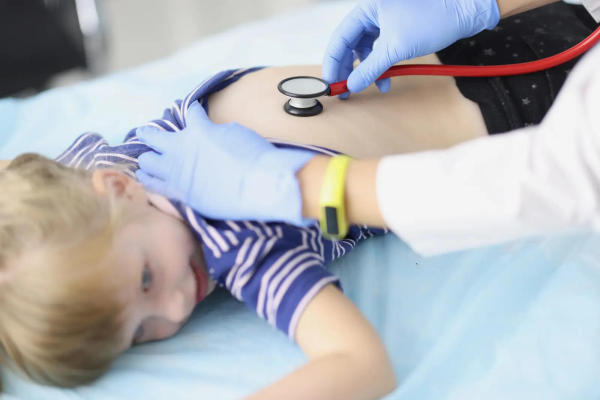
According to him, warning signs seen can be lethargy, dry mouth, sunken eyes and reduced urine output. Dr Goswami cautioned, "Severe dehydration can cause low blood pressure, kidney problems and shock if not addressed promptly. So, report these symptoms in children to the doctor."
Asthma attack
Children with asthma can experience sudden episodes of wheezing, shortness of breath or chest tightness. Any intermittent viral or bacterial infection can aggravate these symptoms. Dr Goswami revealed, "Severe attacks may lead to respiratory failure if timely treatment is not received by children. Parents should act quickly if the child struggles to breathe."
A established, “Common conditions such as dehydration, respiratory distress, and allergic reactions account for a significant proportion of paediatric emergencies, with outcomes heavily dependent on early management.” This supports the list of emergencies from dehydration to asthma attacks, anaphylaxis and more, confirming that they are among the most frequent and dangerous paediatric conditions when not treated promptly.
High fever with seizures (febrile seizures)
A sudden spike in body temperature can trigger seizures in some children. Most of the times seizures occur without any warning symptoms other than fever. Dr Goswami said, "Parents should watch for signs such as shaking, loss of consciousness, or abnormal eye movements. Although most febrile seizures are short, prolonged episodes can also occur, resulting in decreased oxygen supply to the brain. Hence, it is a medical emergency requiring immediate medical evaluation and intervention."
A found, “Caregiver awareness of early warning signs significantly improves timely healthcare-seeking behaviour and reduces the risk of severe complications.” This validates the emphasis on parental vigilance and awareness, showing that recognising symptoms like lethargy, breathing difficulty or seizures leads to faster intervention and better outcomes.
Severe allergic reaction (anaphylaxis)
Dr Goswami said, "Exposure to allergens, insect bites or medications can lead to swelling around the eyes, lips or tongue, hives (circular patches of reddish rash over the body), vomiting and difficulty breathing. Rapid treatment with epinephrine and medical attention is critical to prevent life-threatening complications."
Head injuries
Falls or accidents can cause concussions or internal bleeding in children. Dr Goswami informed, "Warning signs seen are persistent vomiting, drowsiness, confusion or abnormal body movements occurring within minutes to hours of the fall. Prompt medical evaluation is essential to prevent brain damage." Parents need to consult an expert without any delay and save the child’s life.
Bottom line
Parenting does not come with a manual but awareness can be one of the strongest tools. Parents do not need to know everything, just need to recognise when something is not quite right and trust your instincts enough to act on it. Most childhood illnesses and injuries are manageable but the key lies in not missing the moments that matter.
A quick decision, a timely doctor’s visit or simply paying closer attention can make a life-saving difference. At the end of the day, it is not about fear, it is about being informed, staying calm and giving your child the safest, healthiest start possible.
Contact to : xlf550402@gmail.com
Copyright © boyuanhulian 2020 - 2023. All Right Reserved.