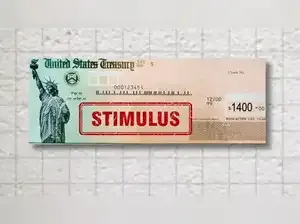
$1000 stimulus payment Alaska PFD April 2026 eligibility update who qualifies payout schedule details explained today
Thousands of Americans will receive a $1,000 stimulus payment this week, but the reality behind this headline is more specific than it sounds. The payments, averaging close to $1,000 in 2026, are part of Alaska’s long-running Permanent Fund Dividend program, not a nationwide federal stimulus check. That distinction matters. While many are searching for eligibility details, only residents of Alaska who meet strict criteria will actually receive this payout.
The April 16 distribution date marks one of the key payment windows, with additional rounds continuing into May. For eligible households, this payment can provide real financial relief, especially as inflation continues to impact everyday expenses. However, for millions of Americans outside Alaska, the answer is straightforward: this $1,000 stimulus payment does not apply. Understanding who qualifies, how the program works, and why it exists helps clear up widespread confusion around these widely discussed payments.
In 2026, the payment is expected to be around $1,000 per person, which is lower than the approximately $1,702 distributed in 2025. The fluctuation depends on oil revenues, investment returns, and legislative decisions. Despite the lower payout this year, the program remains one of the most distinctive income-sharing models in the United States. Because the payment arrives as a lump sum, many people mistakenly refer to it as a “stimulus check,” even though it operates independently of federal economic relief programs.
Applicants must not have claimed residency in another state or country during the qualifying period. In addition, certain criminal convictions may disqualify individuals from receiving the payment. Unlike many federal aid programs, the Alaska PFD is not income-based. This means people of all income levels, including children, can receive the payment as long as they meet the residency and eligibility criteria.
Applications must be submitted within the official deadline, and payment status can be tracked through the state’s PFD portal. Those marked as “Eligible-Not Paid” by early April are typically included in the mid-April distribution cycle. Others may receive their payments in later rounds scheduled throughout the spring.
Payments are issued either through direct deposit or paper checks, depending on the option selected during the application process. Direct deposit remains the fastest method, often allowing recipients to access funds within days of the official payment date. Paper checks may take longer due to mailing and processing times.
Residents expecting the payment are encouraged to monitor their application status regularly. If the status shows eligibility but no payment has been issued yet, it typically means the individual is scheduled for a later distribution round. This staggered approach helps the state manage the high volume of payments efficiently.
The Alaska Permanent Fund was established in the late 1970s to manage oil revenues and invest them for long-term benefits. The dividend program allows residents to receive a share of those earnings annually. Because the payment can reach four figures, it often attracts national attention, especially during times of economic uncertainty.
This misunderstanding is amplified by the timing of payments and economic conditions. When inflation rises or when people anticipate federal relief, news of a $1,000 payment quickly spreads beyond Alaska, leading many to believe they might qualify. However, the program remains exclusive to Alaska and does not extend to residents of other states.
Supporters argue that similar programs could help reduce income inequality and provide financial stability, especially during economic downturns. Critics, however, raise concerns about sustainability, funding sources, and potential impacts on labor markets. Unlike Alaska, most states do not have a comparable stream of natural resource revenue to fund such payments.
Despite these debates, the Alaska model continues to influence policy discussions at both state and federal levels. While no nationwide equivalent currently exists, the concept of direct cash payments remains a recurring topic in economic and political conversations.
For those already marked as eligible, patience is key. Payments are distributed in multiple phases, so not receiving funds immediately does not necessarily indicate a problem. Checking for updates and staying informed about scheduled payment dates can help reduce uncertainty.
For Americans living outside Alaska, there is no action required because the program does not apply. While the idea of a nationwide $1,000 stimulus payment is appealing, this specific benefit remains limited to Alaska residents. Understanding this distinction helps avoid confusion and ensures expectations align with reality.
The $1,000 stimulus payment eligibility is limited strictly to Alaska residents who lived in the state for the entire previous year and plan to stay long term. Applicants must not have claimed residency elsewhere, and certain legal conditions may affect qualification. Unlike federal stimulus checks, this payment is not income-based, meaning all eligible residents, including children, can receive it if they meet the criteria.
Q2. When will the $1,000 stimulus payment be deposited and how can you check your payment status?
The $1,000 stimulus payment is being distributed in phases, with a major payout scheduled for April 16, 2026, followed by additional rounds in May. Eligible applicants marked as “Eligible-Not Paid” will receive funds via direct deposit or paper check based on their selected method. Residents can track their payment status through the official Alaska PFD portal to stay updated on release timelines.
The April 16 distribution date marks one of the key payment windows, with additional rounds continuing into May. For eligible households, this payment can provide real financial relief, especially as inflation continues to impact everyday expenses. However, for millions of Americans outside Alaska, the answer is straightforward: this $1,000 stimulus payment does not apply. Understanding who qualifies, how the program works, and why it exists helps clear up widespread confusion around these widely discussed payments.
What is the $1,000 stimulus payment and why is it being issued?
The $1,000 stimulus payment being distributed this week is part of Alaska’s Permanent Fund Dividend (PFD), a unique state-run program funded by oil and natural resource revenues. Unlike federal stimulus checks issued during economic crises, this payment is an annual benefit that has been distributed for decades. Each year, Alaska allocates a portion of its investment earnings to eligible residents, ensuring they directly benefit from the state’s natural wealth.In 2026, the payment is expected to be around $1,000 per person, which is lower than the approximately $1,702 distributed in 2025. The fluctuation depends on oil revenues, investment returns, and legislative decisions. Despite the lower payout this year, the program remains one of the most distinctive income-sharing models in the United States. Because the payment arrives as a lump sum, many people mistakenly refer to it as a “stimulus check,” even though it operates independently of federal economic relief programs.
Who qualifies for the $1,000 stimulus payment in 2026?
Eligibility for the $1,000 stimulus payment is strictly limited to Alaska residents who meet specific requirements. To qualify, individuals must have lived in Alaska for the entire previous calendar year and must intend to remain in the state long term. This residency rule is the most critical factor and automatically excludes anyone living outside Alaska.Applicants must not have claimed residency in another state or country during the qualifying period. In addition, certain criminal convictions may disqualify individuals from receiving the payment. Unlike many federal aid programs, the Alaska PFD is not income-based. This means people of all income levels, including children, can receive the payment as long as they meet the residency and eligibility criteria.
Applications must be submitted within the official deadline, and payment status can be tracked through the state’s PFD portal. Those marked as “Eligible-Not Paid” by early April are typically included in the mid-April distribution cycle. Others may receive their payments in later rounds scheduled throughout the spring.
When will the $1,000 stimulus payment be sent and how will you receive it?
The $1,000 stimulus payment for eligible Alaska residents is being distributed in phases, with one of the major payment dates set for April 16, 2026. This date applies to applicants whose status was approved but unpaid by early April. Additional payment batches will continue into May, ensuring all eligible recipients receive their funds.Payments are issued either through direct deposit or paper checks, depending on the option selected during the application process. Direct deposit remains the fastest method, often allowing recipients to access funds within days of the official payment date. Paper checks may take longer due to mailing and processing times.
Residents expecting the payment are encouraged to monitor their application status regularly. If the status shows eligibility but no payment has been issued yet, it typically means the individual is scheduled for a later distribution round. This staggered approach helps the state manage the high volume of payments efficiently.
Why is the $1,000 stimulus payment often misunderstood across the U.S.?
The $1,000 stimulus payment frequently generates confusion because of how it is described in headlines and social media discussions. Many Americans assume it is a new federal relief program similar to pandemic-era stimulus checks. In reality, it is a state-specific dividend tied to Alaska’s natural resource wealth.The Alaska Permanent Fund was established in the late 1970s to manage oil revenues and invest them for long-term benefits. The dividend program allows residents to receive a share of those earnings annually. Because the payment can reach four figures, it often attracts national attention, especially during times of economic uncertainty.
This misunderstanding is amplified by the timing of payments and economic conditions. When inflation rises or when people anticipate federal relief, news of a $1,000 payment quickly spreads beyond Alaska, leading many to believe they might qualify. However, the program remains exclusive to Alaska and does not extend to residents of other states.
Could similar $1,000 stimulus payment programs expand nationwide?
The recurring attention around the $1,000 stimulus payment has sparked broader discussions about universal basic income and resource-sharing models in the United States. Alaska’s PFD is often cited as a real-world example of how governments can distribute wealth generated from natural resources directly to citizens.Supporters argue that similar programs could help reduce income inequality and provide financial stability, especially during economic downturns. Critics, however, raise concerns about sustainability, funding sources, and potential impacts on labor markets. Unlike Alaska, most states do not have a comparable stream of natural resource revenue to fund such payments.
Despite these debates, the Alaska model continues to influence policy discussions at both state and federal levels. While no nationwide equivalent currently exists, the concept of direct cash payments remains a recurring topic in economic and political conversations.
What should you do if you think you qualify for the $1,000 stimulus payment?
If you believe you are eligible for the $1,000 stimulus payment, the first step is to confirm your application status through Alaska’s official PFD system. Ensure that your residency information, application details, and payment preferences are accurate and up to date. Any discrepancies can delay your payment or affect eligibility.For those already marked as eligible, patience is key. Payments are distributed in multiple phases, so not receiving funds immediately does not necessarily indicate a problem. Checking for updates and staying informed about scheduled payment dates can help reduce uncertainty.
For Americans living outside Alaska, there is no action required because the program does not apply. While the idea of a nationwide $1,000 stimulus payment is appealing, this specific benefit remains limited to Alaska residents. Understanding this distinction helps avoid confusion and ensures expectations align with reality.
FAQs:
Q1. Who is eligible for the $1,000 stimulus payment this week under the Alaska PFD program?The $1,000 stimulus payment eligibility is limited strictly to Alaska residents who lived in the state for the entire previous year and plan to stay long term. Applicants must not have claimed residency elsewhere, and certain legal conditions may affect qualification. Unlike federal stimulus checks, this payment is not income-based, meaning all eligible residents, including children, can receive it if they meet the criteria.
Q2. When will the $1,000 stimulus payment be deposited and how can you check your payment status?
The $1,000 stimulus payment is being distributed in phases, with a major payout scheduled for April 16, 2026, followed by additional rounds in May. Eligible applicants marked as “Eligible-Not Paid” will receive funds via direct deposit or paper check based on their selected method. Residents can track their payment status through the official Alaska PFD portal to stay updated on release timelines.