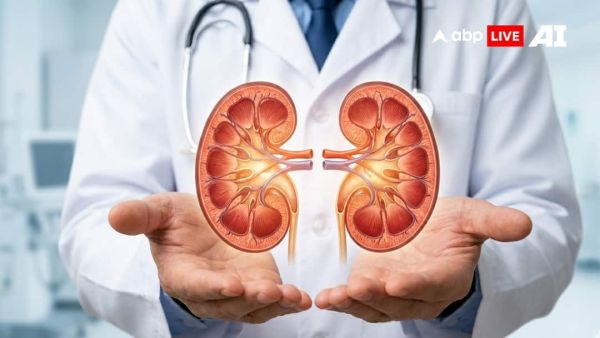
We see chronic kidney disease (CKD) in clinics every day; it is no longer a far-off public health issue. Diabetes and hypertension are the primary causes, with over 600 million individuals affected worldwide and a rapidly rising burden in India. However, chronic underhydration is one aspect that is frequently disregarded in ordinary therapy.
The Overlooked Role Of Dehydration In Daily Life
In Indian settings, patients, drivers, outdoor workers, even medical staff, are frequently observed working long hours with little hydration, particularly in the summer. Urinary tract infections, recurring stones, or an inexplicable loss in kidney function are common presentations. Dehydration is frequently a quiet contributor, even if we may not always identify it as the main reason.
Understanding The Physiological Impact
The explanation is simple from a physiological perspective. Concentrated urine and greater tubular workload are the results of reduced fluid intake, which also raises vasopressin levels and lowers renal perfusion. It is plausible to assume that cumulative harm occurs when this starts to occur on a daily basis rather than as an isolated incident. This clinical observation is now being supported by new data from heat-stressed areas, such as sections of India.
Hydration Myths And Misconceptions
The general misconception about hydration is another problem. After receiving a diagnosis, some patients drastically cut back on their water intake, believing that doing so will 'clean' their kidneys. Both approaches are problematic. In our experience, hyponatremia can result from overhydration, especially in the elderly. Simple, useful advice is more effective, maintaining a light-coloured urine is frequently more beneficial than prescribing a set volume of liters.
Diet And Lifestyle: Hidden Risk Factors
However, hydration cannot be considered in a vacuum. Our eating habits and way of life are equally problematic. Consuming a lot of salt is still the norm rather than the exception, which directly causes kidney damage and hypertension. Poor glycemic management and a sedentary lifestyle exacerbate the issue. The careless use of over-the-counter painkillers and alternative pharmaceuticals is another issue that we frequently overlook. We often see kidney damage associated with them, even though many patients do not even think they are dangerous.
Protein Intake: Striking The Right Balance
Confusion over protein intake is common, especially in light of the growing popularity of high-protein diets. Moderate use is not problematic for otherwise healthy people. Unchecked protein intake, however, can hasten the course of CKD. Malnutrition, on the other hand, can result from extreme restriction, which is occasionally self-imposed. This is when tailored advice, as opposed to general recommendations, becomes crucial.
Prevention Over Cure: The Missing Focus
We frequently place a strong emphasis on pharmaceutical management in our daily nephrology practice. Although essential, it shouldn't take precedence over fundamental preventive actions. Simple therapies like drinking enough water, consuming less salt, consuming sensible amounts of protein, and avoiding nephrotoxins are not given enough attention.
These 'basic' steps must once again be at the forefront of discussions with patients and the medical community if we are to effectively address the rising prevalence of chronic kidney disease in India.
Disclaimer: The information provided in the article is shared by experts and is intended for general informational purposes only. It is not a substitute for professional medical advice, diagnosis, or treatment. Always seek the advice of your physician or other qualified healthcare provider with any questions you may have regarding a medical condition.
Contact to : xlf550402@gmail.com
Copyright © boyuanhulian 2020 - 2023. All Right Reserved.