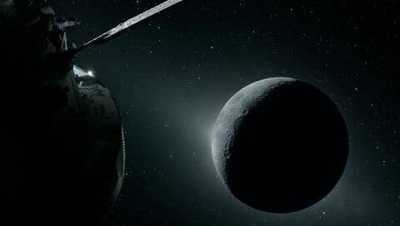
Scientists date Moon's polar ice to roughly 1.5 billion years
Newer lunar shadows hold more ice
Researchers used ultraviolet light data to see how long certain lunar spots have been in shadow, and found that newer shadowed areas hold more exposed ice than older ones.
As the Moon's tilt changed over time, fresh shadows trapped more ice, creating a cycle of freezing and loss.
Knowing where and how this ancient ice formed helps scientists plan missions that might use it for water, oxygen, or rocket fuel, key stuff if humans want to stick around on the Moon.
Contact to : xlf550402@gmail.com
Copyright © boyuanhulian 2020 - 2023. All Right Reserved.