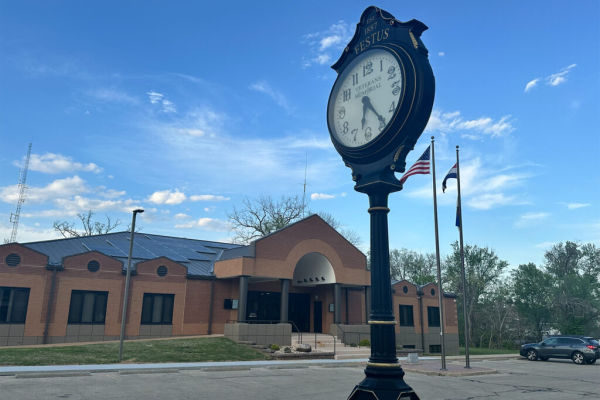
They call Missouri the Show Me State. In Festus, voters just showed their city council the door.
Last week, every incumbent council member who ran for re-election lost. The vote followed a controversial plan tied to a major data center project. Residents felt shut out. The election became a response.
City records from March 30 show the council approved a plan linked to CRG Acquisition LLC. The developer said it would invest at least six billion dollars. Its slogan, “Architects of Liquidity,” sounds polished. For many locals, the project itself felt anything but.
The meeting notes include a buyout plan for eleven homes on Glenkee Court. These houses sit near the edge of the proposed site. Nothing will be built on them. Still, they fall within 1,000 feet of an active data center building. One more home also falls in that zone.
Those inside the buyout area may get compensation. Those just outside it will not. That line has become a source of tension. People living near large data centers often worry about noise, air quality, and constant activity. Social media posts have only raised those fears.
The approved documents say the developer must follow Tier 4 generator standards set by the Environmental Protection Agency. The plan favors natural gas or low-sulfur diesel. On paper, that meets regulation. In practice, it does not calm every concern.
Data Center Defeat in Missouri: How a Crisis of Trust Toppled a Local Council?
A similar case adds fuel to the debate. In Memphis, a large data center run by Elon Musk’s company xAI has faced backlash. Residents there have raised concerns about nitrogen oxide emissions. At a public hearing, one person said the air smelled like gas and made it hard to breathe at home. That kind of claim sticks with people.
Back in Festus, the issue grew beyond one project. It became about trust. Many voters felt the council moved too fast and shared too little. That sentiment carried into the election.
This is not just a local story. It points to a wider shift. Data centers are spreading fast across the United States. Demand for power from these facilities could triple in the next five years. As that growth continues, more communities will face the same questions.
In Port Washington, voters already took action. The town hosts a planned data center tied to Oracle and OpenAI. On the same day Festus voted, residents there passed a referendum to restrict future data center construction. It marked the first move of its kind.
In Festus, the shake-up was complete. According to reporting from Politico, council members Jim Tinnin, Jim Collier, Brian Wehner, and Bobby Venz all lost their seats. New faces will take over, including Rick Belleville.
Belleville spoke plainly about the result. He said the issue was not just the project, but how it was handled. He argued that the city failed to listen. That message seems to have landed.
Weeks before the vote, Belleville posted online about the need for more transparency. He suggested a digital platform where residents could ask questions and stay informed. He framed it as a way to make local government more open.
Lessons from Festus
Now, the voters have made their own statement. They did not wait for a platform. They used the ballot box.
The outcome in Festus shows a clear pattern. When people feel left out of decisions that affect their homes, they push back. Large projects like data centers bring jobs and tax revenue. They also bring noise, traffic, and heavy power use. Both sides matter. Ignoring one side carries risk.
For now, Festus stands as an early signal. Other towns may soon face the same debate. If they do, the lesson here is simple. Speak clearly. Share plans early. Listen to residents.
If not, voters may show them the door too.
Contact to : xlf550402@gmail.com
Copyright © boyuanhulian 2020 - 2023. All Right Reserved.