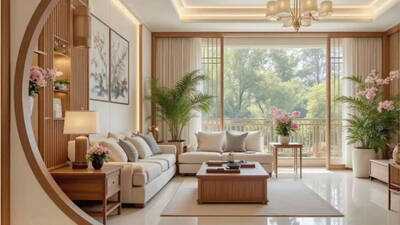
With the cost of living still top of mind, many homeowners want to refresh their spaces this spring without committing to expensive renovations. The good news? A more luxurious-looking home is not necessarily an expensive one.
From paint colours that evoke high-end interiors to small styling decisions that add depth and sophistication, the difference between a space that looks premium and one that does not often comes down to a few well-considered choices. As spring arrives and the urge to refresh takes hold, interest in affordable home upgrades is on the rise and knowing where to focus your efforts makes all the difference.
To help homeowners get the most out of their spaces without overspending, we spill the beans on five of the most effective ways to make a home look more expensive, no renovation required and walk you through each technique in detail.
Choose paint colours that instantly elevate a space
The quickest way to transform how a room feels, without touching a single fixture, is with paint. Flat white walls and overly bright tones are among the most common culprits behind spaces that feel cheap or unfinished. Warm neutrals, muted off-whites, deep greens and navy tones, on the other hand, are frequently associated with premium interiors.
According to a recent , “Darker, saturated hues and warm neutral palettes were consistently associated with higher perceptions of luxury , intentionality and spatial comfort.” This directly validates the point about paint colours elevating a space. It shows that deeper tones and warm neutrals are not just stylistic trends, they are psychologically linked to perceptions of luxury and design intention.
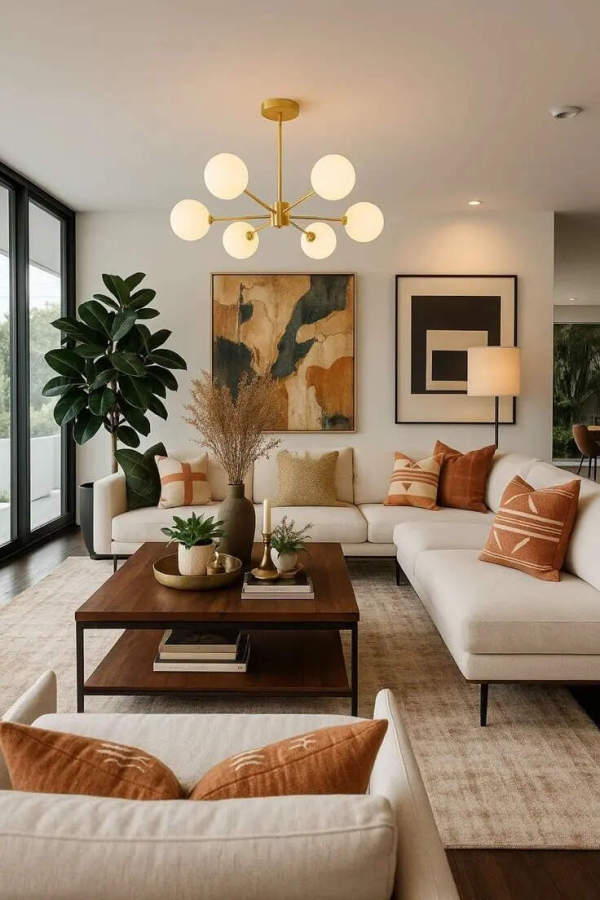
In an interview with the Times of India, Dr Eleni Nicolaou, Art Therapist and Creative Wellness Expert at Davincified, a US-based premium platform that blends creativity, personalisation and wellbeing, shared, “Certain colours carry a psychological weight that our brains associate with quality and intention. Deeper, more saturated tones create a sense of intimacy, while warm neutrals reflect light in a way that feels considered rather than default. When a colour feels deliberate, the whole room feels more designed.”
Lighting plays a significant role, too. The same colour can read entirely differently under cool white light versus warm, ambient light, so it is worth testing paint swatches at different times of day before committing.
Upgrade your lighting without rewiring
Transforming a room's lighting does not require an electrician. The most common mistake homeowners make is relying on a single overhead light source. Harsh, cool-toned bulbs cast unflattering shadows and make spaces feel more like offices than homes . Swapping them for warm-toned bulbs, typically around 2700K, is one of the simplest upgrades available.
Layering light sources is what separates a well-designed room from a flat one. Table lamps, floor lamps and accent lighting work together to create warmth and dimension.
A revealed, “Spaces using layered lighting systems were rated significantly higher in perceived warmth, depth, and overall quality compared to those relying on a single overhead light source.” This strongly encourages to upgrade and layer lighting. The study confirms that lighting design alone can change how ‘expensive’ a room feels, supporting the emphasis on warm, multi-source lighting.
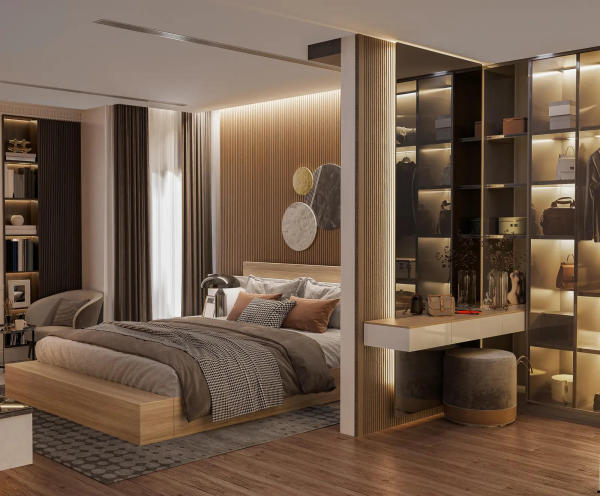
“Lighting temperature and placement are two of the most underestimated tools in interior design ,” said Dr Nicolaou. “A room with layered, warm lighting feels curated and calm, which the brain reads as expensive. A single overhead bulb, no matter how nice the furniture, will always undercut the space.”
Declutter and style like a show home
Visual clutter is one of the biggest factors that reduces a room's perceived value. When surfaces are crowded, the eye does not know where to rest. The fix is not to strip everything back but to be selective about what stays.
“The spaces that feel most luxurious are the ones where every object looks like it was placed with purpose,” said Dr Nicolaou. “When you edit ruthlessly, what remains automatically looks more valuable.”
A established, “Lower levels of visual clutter were associated with higher perceived property value and greater aesthetic appeal, suggesting that ‘editing’ a space enhances its perceived quality.” The study backs the claims that decluttering is one of the most powerful upgrades. It shows that removing excess items can increase perceived value, aligning perfectly with the idea that editing is more impactful than adding.
Grouping decorative items in odd numbers tends to feel more natural to the eye. Trays, candles, books, and a single organic element like a plant are reliable building blocks for a surface that looks styled rather than cluttered.
Focus on soft furnishings and textures
Cushions, throws, rugs, and curtains all contribute to how a space feels, both physically and visually. Fabric quality is important. Linen, velvet and textured weaves signal quality in a way that flat, synthetic fabrics do not.
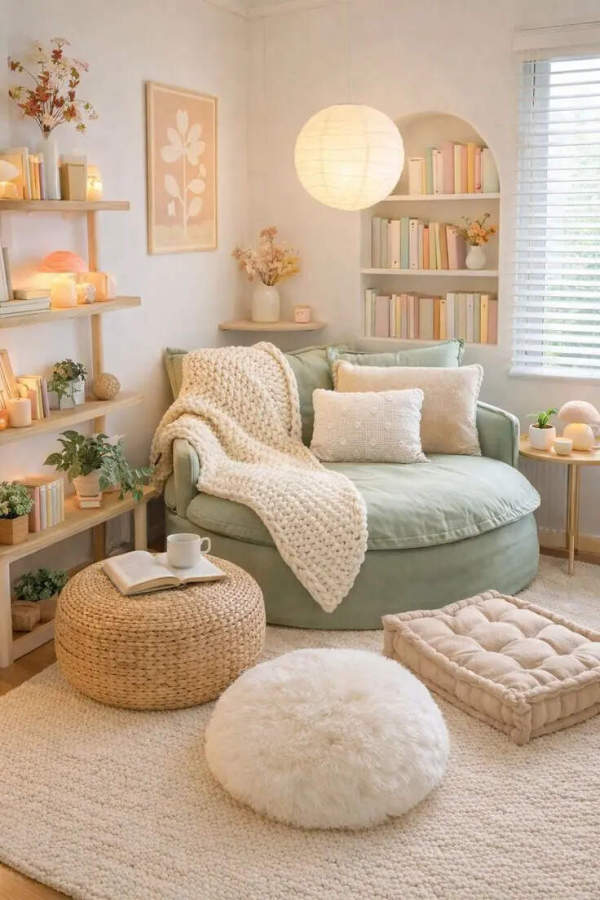
“Texture creates depth,” said Dr Nicolaou. “When you layer different materials, a chunky knit next to a linen cushion, a jute rug under a velvet chair, the space starts to feel considered and rich, even if the individual pieces weren't expensive.”
Hanging curtains higher than the window frame and letting them fall to the floor creates the illusion of taller ceilings, a trick used frequently in high-end interior design.
Add statement pieces sparingly
A large mirror, oversized artwork, or one standout furniture item can anchor a room and give it a clear focal point. The key is restraint; a statement piece only works when it has space around it.
“One confident choice beats ten hesitant ones every time,” said Dr Nicolaou. “Identify the one thing you want a room to be about, then edit everything else back so that piece can do its job.”
Creating a home that looks high-end is really about intentionality, not budget . The homeowners whose spaces feel the most luxurious are not necessarily the ones who have spent the most. They are the ones who have made deliberate choices about colour, light and what they allow into the room.
Dr Eleni Nicolaou concluded with the suggestion, “My biggest piece of advice is to focus on editing rather than adding. Most spaces would benefit more from removing three things than buying something new. When you strip back the noise and let a few well-chosen elements shine, the whole room lifts. Start with your paint, get your lighting right, and be ruthless about clutter; those three changes alone can make a space feel like an entirely different home.”
Contact to : xlf550402@gmail.com
Copyright © boyuanhulian 2020 - 2023. All Right Reserved.