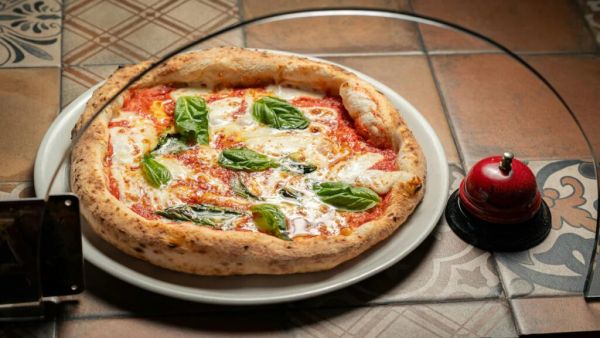
Pizza is everywhere today – customized, topped, stuffed and endlessly reinvented. But long before it became a global comfort food, pizza was a humble, deeply local craft shaped by tradition, skill and community. At the heart of this history lies Neapolitan pizza, the original style born in Naples, Italy, and one that has remained remarkably unchanged over centuries. Its cultural importance runs so deep that UNESCO formally recognized it – not as a dish, but as a living heritage. This designation celebrates the art of the pizzaiuolo, the skilled pizza maker whose techniques, rituals and knowledge have been passed down through generations, preserving one of the world’s most influential food traditions.
The UNESCO Recognition
In 2017, UNESCO inscribed the Art of the Neapolitan pizzaiuolo on its Representative List of the Intangible Cultural Heritage of Humanity.
This recognition goes far beyond taste or popularity. UNESCO highlights:
- The skills involved in dough preparation
- The traditional hand movements used to shape and stretch it
- The communal role of pizza‑making within Neapolitan culture
In short, it protects a way of life, not just a recipe.
What Makes Neapolitan Pizza So Special?
Neapolitan pizza appears simple, but every detail is precise and intentional.
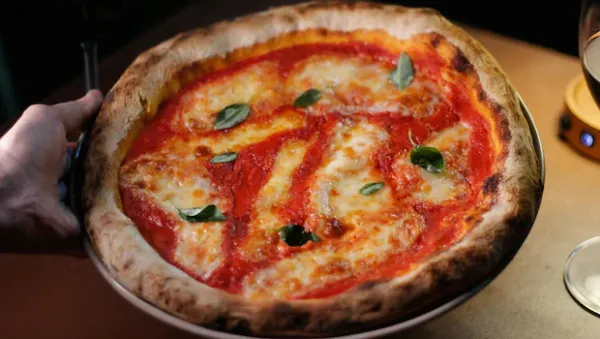
Photo: Pexels
Key defining features:
- Minimal ingredients: Dough made only with flour, water, salt and yeast; toppings kept spare and high‑quality.
- Hand‑crafted dough: Rolled pins are forbidden – the base is stretched by hand to preserve air in the crust.
- High‑heat cooking: Baked in a wood‑fired oven at 400–500°C for around 60–90 seconds, producing light charring and softness.
- Soft, foldable texture: Unlike crisp pizzas, Neapolitan pizza is elastic and often folded to eat, known locally as “a portfolio”
Why Tradition Matters More Than Trends
What UNESCO ultimately safeguards is the process. Neapolitan pizza‑making involves:
- Controlled fermentation times
- Specific dough‑shaping gestures
- Knowledge passed from master pizzaiuolo to apprentice
- A strong social ritual centered around the pizzeria
This makes it a living culinary practice, continuously performed, not frozen in time.
The Two Classic Neapolitan Pizzas
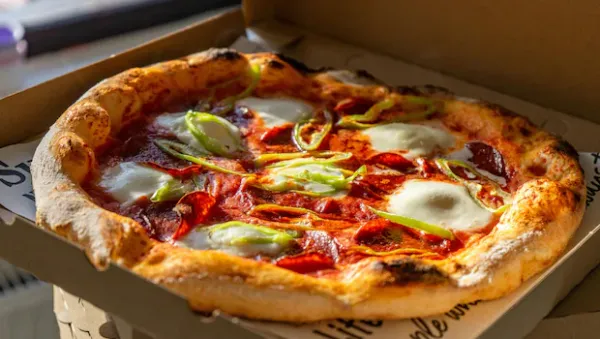
Photo: Pexels
Authentic Neapolitan pizza isn’t defined by variety, but by restraint.
- Margherita: Tomato, mozzarella and fresh basil
- Marinara: Tomato, garlic, oregano and olive oil
Both rely on quality ingredients and technique, not excess toppings.
In a world of fast food, shortcuts and overloaded menus, Neapolitan pizza stands as a reminder that excellence often lies in simplicity. UNESCO’s recognition ensures the traditions of Naples’ pizzaiuoli are preserved, respected and passed on – so that each bite continues to carry history, culture and craftsmanship, not just flavour.
Contact to : xlf550402@gmail.com
Copyright © boyuanhulian 2020 - 2023. All Right Reserved.