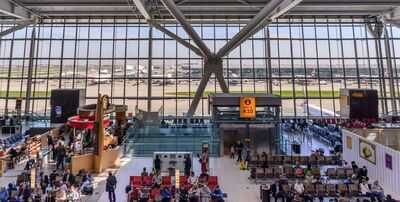
Passengers flying with Ryanair, easyJet and Jet2 are being urged to arrive at airports earlier than usual following recent disruption that left dozens of travellers unable to board their flights. The warnings come as the aviation industry also faces wider uncertainty over jet fuel supplies, with tensions around the Strait of Hormuz raising concerns about potential impacts on global fuel markets and airline operating costs.
The advice follows an incident on Sunday, April 13, involving passengers due to travel from Milan Linate Airport to Manchester, where 122 passengers missed their flight after being held up in long passport control queues. The aircraft departed with only 34 of the 156 booked passengers onboard, leaving the majority stranded airside.
The disruption is due to the ongoing rollout of the EU's Entry/Exit System (EES), which introduces biometric checks for non-EU travellers, including fingerprint and facial scanning. While designed to modernise border management, the system is contributing to longer processing times at some airports during its early implementation phase.
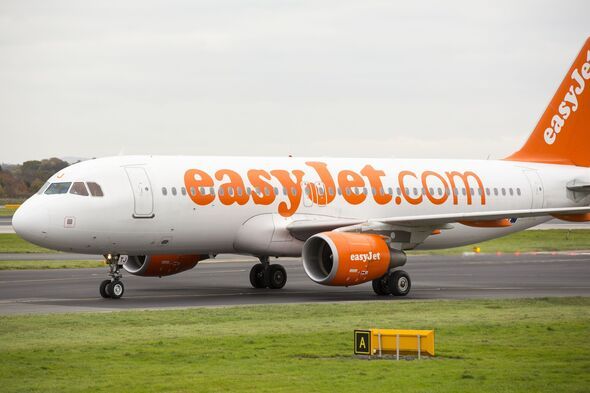
While KLM has already cancelled 160 flights to save costs, Ryanair, easyJet, and Jet2 are currently maintaining their schedules.
Jet2: Has told passengers that "all flights are planned to go ahead as normal." They have implemented a "14-day rule," under which travel documents are sent out closer to the departure date to ensure they contain the most up-to-date information.
Jet2 said about the EES: "The EU Entry/Exit System (EES) is a system that registers all UK and other non-EU travellers each time they enter or exit the EU bloc and went live on October 12, 2025.
"The system will replace the current manual stamping of passports on arrival into the EU and before your flight back to the UK, as your entry and exit dates will instead be logged electronically.
"Don't forget - unless you have European residency or a suitable visa, you can only spend 90 days in any six-month period in the EU."
easyJet: CEO Kenton Jarvis confirmed that all airports served by the carrier are operating as normal. While they are monitoring fuel supplies, they have no current plans to cancel flights.
Concerning the EES, easyjet advised: "The Entry/Exit System (EES) has now been introduced across 25 EU Member States and the 4 Schengen Associated Countries, as part of the new EU's Smart Borders Programme.
"Travellers may be required to provide biometric data at border controls, which would include having your facial image and fingerprints scanned. Children under the age of 12 are exempt from fingerprinting.
"When travelling, please make sure you have the correct documents required for both travel into and out of the EU."
Ryanair: Is operating as scheduled but has warned of delays at European airports due to the new EES. They have advised passengers to arrive at the airport earlier than usual.
"Queues may be longer while airports switch to the new system. These delays may affect all passengers, not just non-EU nationals, as airports adjust to new checks and processes.
"Have your passport ready and follow EES signs. Affected passengers will be asked to scan your fingerprints or have a photo taken. Once registered, future trips will be quicker; you'll just be verified instead of re-registered."
Under UK air passenger rules, protection usually applies if your flight departs from a UK airport on any airline, arrives in the UK on a UK or EU carrier, or arrives in the EU on a UK-based airline, meaning many common holiday and short-haul routes are covered.
If a flight is cancelled or significantly delayed, airlines must provide care and assistance for passengers while they wait, which typically includes food and drink, communication support such as reimbursement for calls, hotel accommodation if an overnight stay is required, and transport between the airport, hotel or home.
If airlines are unable to arrange this support during major disruption, passengers can usually make their own reasonable arrangements and later claim the costs back, provided they keep receipts and do not spend unreasonably.
Passengers may also be entitled to compensation if their flight is cancelled at short notice and the disruption is considered the airline's responsibility, although no compensation is payable if the issue is caused by extraordinary circumstances such as severe weather, air traffic control restrictions or certain external strikes.
Where notice of cancellation is given between seven and 14 days, compensation can range from £110 to £520 depending on flight distance and how late the passenger arrives at their final destination after re-routing, while shorter notice periods of under seven days can still qualify for similar compensation levels if delays are significant.
If a flight is cancelled, passengers are generally given a choice between a full refund for unused parts of their ticket or an alternative flight, either as soon as possible or at a later date that suits them, and in some cases airlines may also need to consider alternative transport if it would get passengers to their destination significantly sooner.
The UK Civil Aviation Authority states: "The airline must provide you with these items until it is able to fly you to your destination, no matter how long the delay lasts or what has caused it."
If your flight is cancelled within 14 days before you're due to fly, the airline is responsible for getting you on another flight to your destination unless you accept a refund instead.
According to Sarah Monro and Rosie Hamilton from MoneySavingExpert, you must check the following:
- The flight was cancelled less than 14 days before departure
- The flight is covered by UK/EU regulations (e.g. leaving the UK/EU or arriving with a UK/EU airline)
- The cancellation was the airline's fault (such as technical issues or crew shortages, but not bad weather or air traffic control strikes)
- You travelled within the last 6 years (5 in Scotland)
- The replacement flight results in you arriving significantly earlier or later than planned
Always keep records of everything - emails, messages, booking confirmations, and receipts for any extra costs you pay because of the cancellation. If your claim is valid, you can apply directly to the airline or use claims tool Resolver to help you submit and track your request.
If your flight is cancelled, you are legally entitled to either a refund for your ticket or an alternative flight to your destination. This applies regardless of how or where you booked the ticket, because the airline operating the flight is responsible for helping you.
A refund means you get your money back for the unused flight. An alternative flight means the airline must rebook you onto another service to get you to your destination. This should be offered at the earliest possible opportunity and under similar travel conditions.
In some cases, you may also receive compensation in addition to your refund or replacement flight. Compensation is only paid if the cancellation meets certain conditions, such as being announced less than 14 days before departure and being the airline's fault.
The amount of compensation depends on the flight distance and how much your replacement flight differs from the original schedule. It can range from around £110 to £520 per person. Short-haul flights usually receive lower amounts, while long-haul flights can receive the maximum.
Contact to : xlf550402@gmail.com
Copyright © boyuanhulian 2020 - 2023. All Right Reserved.