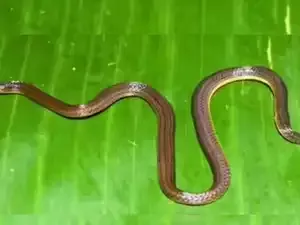
A new species of snake called Calamaria garoensis has been discovered in the Garo Hills of Meghalaya, adding to the rich and unique biodiversity of the northeastern state. TOI reports that the finding has drawn attention after Meghalaya Chief Minister Conrad K Sangma publicly congratulated the research team. He highlighted the immense value of the state's forests and the importance of such discoveries for Meghalaya’s natural heritage.
(With TOI inputs)
Collaborative Research Effort Behind the Discovery
Calamaria garoensis was described through the joint efforts of scientists from multiple institutions, including Help Earth, Cotton University, Assam Don Bosco University, Mizoram University, the Zoological Survey of India, and the National Research and Innovation Agency of Indonesia.The collaborative work involved extensive field surveys in the dense tropical and subtropical forests of the Garo Hills, followed by detailed taxonomic analysis. The discovery has been published in the international peer-reviewed journal Taprobanica.Characteristics of the New Snake Species
Calamaria garoensis belongs to the genus Calamaria, commonly known as reed snakes or burrowing snakes. These snakes are generally small and highly secretive, often living underground or hidden within leaf litter, which makes them difficult to detect.Researchers noted that the species is distinguished by its slender body, reduced eyes, and other morphological features typical of burrowing reed snakes. It was previously mistaken for the related species Calamaria pavimentata before being identified as distinct.The snake is currently known only from the Garo Hills region (specifically areas like Oragitok in Rongram Block), suggesting a possibly restricted distribution.Significance for Northeast India's Biodiversity
The Garo Hills form part of the Meghalaya biodiversity hotspot, known for its dense forests and high levels of endemism. The discovery underscores that many areas in northeastern India still hold largely undocumented reptile diversity.Conrad K Sangma, in his statement, quoted by TOI, commended the dedicated efforts of the researchers and noted that the find brings global attention to Meghalaya’s natural heritage.This latest addition to India's reptile list highlights the ecological importance of continued scientific exploration and conservation in the region’s forests.(With TOI inputs)