'Kedarnath Kabhi mat aana': Agitated man shares video as wife and child seen crying
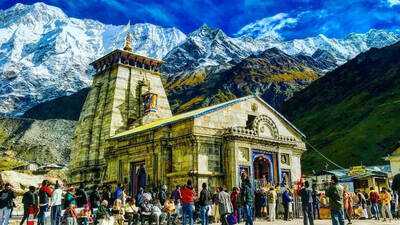
With the reopening of Kedarnath Dham for the new pilgrimage season, thousands of devotees are once again heading to one of India’s most sacred shrines in the Himalayas. Every year, major pilgrimage destinations like this attract enormous crowds seeking faith, fulfilment and spiritual peace. But when visitor numbers rise sharply within a short seasonal window, even revered journeys can become physically demanding and emotionally overwhelming. Long queues, unpredictable weather, steep terrain, crowd-control measures and stretched infrastructure can turn moments of devotion into tests of patience for visitors and administrators alike.
The sight of a distressed family in a viral Instagram post has once again reignited debates surrounding the stress associated with the pilgrimage season in India. In the post, a man asks the public not to make the trip to Kedarnath, arguing that the site was poorly managed and that visitors were assaulted by stick-wielding guards as they attempted to weave through the crowd. His wife and young son appear visibly upset, turning the video into an emotional snapshot of a journey gone wrong.

It is hard to tell whether this incident is part of a bigger trend based on a viral video alone. Viral clips tend to show one side of a heated ordeal, without the whole picture of how things went down before or afterwards. Yet the emotional impact of the footage has resonated because it touches on a reality many pilgrims understand: sacred journeys can also become physically exhausting, logistically overwhelming and deeply stressful when crowds swell beyond comfortable limits.
Being one of the most important pilgrimage sites in India, Kedarnath sees millions of tourists visiting it each year during the yatra period. Travelling through hilly terrains, weather changes and lack of infrastructure, long lines and other factors make the trip challenging for pilgrims. However, as the pilgrimage spot is spiritual and important for many, the process turns out to be an ordeal.
Crowded pilgrimage sites create immense pressure among pilgrims. Those travelling from a long distance with children and elderly may be stressed due to exhaustion and many other reasons. When such factors combine and create a stressful atmosphere, even minor mishaps could result in panic situations, and people would react adversely.
For years now, authorities controlling various pilgrimage routes have made registration, slot booking, health check-up, barricade and security management mandatory for all pilgrims. Though these steps are meant for securing pilgrim safety, they create an adverse impact on pilgrims' minds due to miscommunication.
But perhaps the more profound takeaway is not from this particular viral episode, but rather, the delicate balance between hope and capability. The more pilgrim travel is sought after in Kedarnath and other holy places, the harder it will be to maintain accessibility in ways that are safe and sane for everyone.
For those who choose pilgrimage tours, the lesson is simple: planning is essential. Traveling to the most popular destinations takes proper preparation, an understanding of the climate, and a level of patience. Devotions may need strength, but they should not become ordeals.
The emotions behind this single video cannot sum up all of Kedarnath. Countless individuals visit the destination and feel blessed with each journey. But it does remind us that when devotion meets overcrowding, the human experience can quickly shift from uplifting to overwhelming.
The sight of a distressed family in a viral Instagram post has once again reignited debates surrounding the stress associated with the pilgrimage season in India. In the post, a man asks the public not to make the trip to Kedarnath, arguing that the site was poorly managed and that visitors were assaulted by stick-wielding guards as they attempted to weave through the crowd. His wife and young son appear visibly upset, turning the video into an emotional snapshot of a journey gone wrong.
It is hard to tell whether this incident is part of a bigger trend based on a viral video alone. Viral clips tend to show one side of a heated ordeal, without the whole picture of how things went down before or afterwards. Yet the emotional impact of the footage has resonated because it touches on a reality many pilgrims understand: sacred journeys can also become physically exhausting, logistically overwhelming and deeply stressful when crowds swell beyond comfortable limits.
Being one of the most important pilgrimage sites in India, Kedarnath sees millions of tourists visiting it each year during the yatra period. Travelling through hilly terrains, weather changes and lack of infrastructure, long lines and other factors make the trip challenging for pilgrims. However, as the pilgrimage spot is spiritual and important for many, the process turns out to be an ordeal.
Crowded pilgrimage sites create immense pressure among pilgrims. Those travelling from a long distance with children and elderly may be stressed due to exhaustion and many other reasons. When such factors combine and create a stressful atmosphere, even minor mishaps could result in panic situations, and people would react adversely.
For years now, authorities controlling various pilgrimage routes have made registration, slot booking, health check-up, barricade and security management mandatory for all pilgrims. Though these steps are meant for securing pilgrim safety, they create an adverse impact on pilgrims' minds due to miscommunication.
But perhaps the more profound takeaway is not from this particular viral episode, but rather, the delicate balance between hope and capability. The more pilgrim travel is sought after in Kedarnath and other holy places, the harder it will be to maintain accessibility in ways that are safe and sane for everyone.
For those who choose pilgrimage tours, the lesson is simple: planning is essential. Traveling to the most popular destinations takes proper preparation, an understanding of the climate, and a level of patience. Devotions may need strength, but they should not become ordeals.
The emotions behind this single video cannot sum up all of Kedarnath. Countless individuals visit the destination and feel blessed with each journey. But it does remind us that when devotion meets overcrowding, the human experience can quickly shift from uplifting to overwhelming.
Contact to : xlf550402@gmail.com
Copyright © boyuanhulian 2020 - 2023. All Right Reserved.