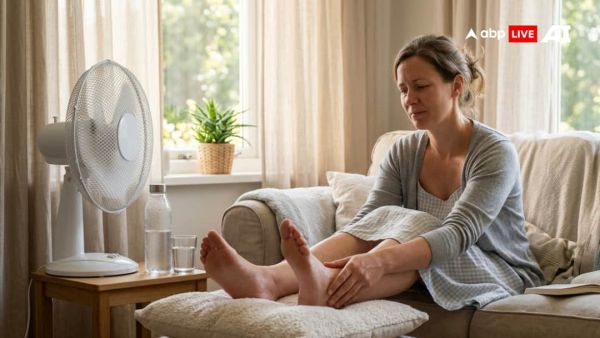
As temperatures rise and the days grow longer, summer brings with it not just vacations and sunshine, but also a range of heat-related health concerns. From dehydration to fatigue, the body works overtime to stay cool. One common yet often overlooked issue during hot weather is swelling in the feet and legs. It may seem harmless at first, a little tightness in your shoes or puffiness around the ankles, but it can quickly turn uncomfortable, especially during travel or long days outdoors.
Why Do Feet Swell In Hot Weather?
The answer lies in how your body responds to heat. When temperatures rise, your blood vessels naturally expand, a process called dilation. This helps your body release heat by increasing blood flow closer to the skin’s surface.
However, this mechanism has a side effect. As blood vessels widen, fluid can seep into the surrounding tissues. This leads to swelling, particularly in areas like the feet, ankles, and sometimes the lower legs.
In simple terms, your body is trying to cool you down, but in doing so, it may leave your feet feeling heavy and swollen.
What Makes The Swelling Worse?
Heat alone isn’t always the only factor. Certain everyday situations can make the swelling more noticeable or severe.
Spending long hours sitting or standing, like during flights, road trips, or even a full day of sightseeing, can contribute significantly. Gravity pulls fluid downward, and in hot weather, your body’s ability to circulate that fluid back up to the heart slows down.
Even activities like soaking in hot baths or staying in humid conditions can add to the problem. Before you realise it, your feet may feel tighter, heavier, and visibly swollen.
Simple Ways To Prevent Or Reduce Swelling
- Stay Hydrated: It might sound counterintuitive, but drinking more water actually helps reduce swelling. Proper hydration allows your body to maintain fluid balance and prevents it from holding onto excess water.
- Keep Moving: Movement is the key. If you’re travelling or sitting for long periods, try to take short breaks to walk and stretch. Even small actions, like calf raises while standing or gently rotating your ankles while seated, can improve circulation and reduce fluid buildup.
- Use Compression Socks: Compression socks are designed to support your blood vessels and prevent fluid from pooling in your lower legs. Wearing well-fitted, medical-grade compression stockings can significantly help in managing swelling, especially during travel or long workdays.
- Stay Cool When Possible: Whenever you have the option, choose cooler environments. Sitting in air-conditioned spaces, using fans, or applying cooling pads around your feet can help reduce heat exposure and minimise swelling.
- Watch Your Salt Intake: Salty foods encourage your body to retain water, which can worsen swelling. Limiting excess salt, especially during travel or in hot weather, can help keep fluid retention in check.
What To Pack If You’re Prone To Swelling
If you know your feet tend to swell in the heat, a little preparation can go a long way. Consider carrying:
- Lightweight, breathable shoes that allow airflow
- Moisture-wicking socks to keep your feet dry
- Cooling gel packs for quick relief
- Anti-inflammatory gels or pain relievers if discomfort occurs
- Open footwear options for times when regular shoes feel too tight
[Disclaimer: The information provided in the article is intended for general informational purposes only. It is not a substitute for professional medical advice, diagnosis, or treatment. Always seek the advice of your physician or other qualified healthcare provider with any questions you may have regarding a medical condition.]
Contact to : xlf550402@gmail.com
Copyright © boyuanhulian 2020 - 2023. All Right Reserved.