There are some observations that don’t feel like philosophy at first, they feel more like something you hear in a regular conversation at home, maybe between parents and children during a small argument or even a quiet moment later on. Over time, people notice that opinions change, especially about family, and what once felt completely wrong starts making sense years later. That shift does not happen quickly, and often by the time it does, the situation has already repeated itself in the next generation.
Charles Wadsworth's quote of the day goes: “By the time a man realises that maybe his father was right, he usually has a son who thinks he is wrong.”
The meaning of this quote, shared by Goodreads, sits in that slow change of understanding. When people are younger, they tend to see their parents as outdated or too strict. Advice is often brushed aside, not always because it is wrong, but because it does not match what they feel at that age. It is only later, sometimes much later, that the same advice starts to look practical. By then, however, they are no longer just children, they are parents themselves, dealing with similar disagreements.
There is also a quiet irony in the line. Just when someone begins to understand their father’s point of view, they find themselves on the other side of the same situation. Their own child starts questioning them in the same way they once did. So, the realization does not come with closure. Instead, it comes with a new role, where they now have to deal with the same cycle repeating again.
At the same time, William Wordsworth offered a different but connected idea in his poem My Heart Leaps Up, where he wrote, “The Child is father of the Man.” That line looks at growth from another angle, suggesting that early experiences shape who a person becomes. Together, these ideas show that the relationship between generations is not fixed; it keeps evolving with time and experience.
Born in rural Georgia, his journey in music took him from local beginnings to major stages. He studied at the University of Georgia and later at The Juilliard School, building a strong foundation that supported his long career. His work was not limited to performance; he focused heavily on creating spaces where musicians could connect with audiences in a more relaxed and engaging way.
His association with the Festival dei Due Mondi in Spoleto, Italy, marked an important phase. Invited by composer Gian Carlo Menotti, he developed a chamber music series that aimed to make the experience more welcoming. This approach later influenced similar efforts in the United States, especially at the Spoleto Festival USA in Charleston.
He also had a unique way of presenting concerts. Instead of announcing full programmes in advance, he often revealed them on stage. This required trust from the audience but also created a different kind of experience, where people came not just for specific pieces but for the overall performance.
Beyond concert halls, he performed at the White House for several U.S. presidents, including John F. Kennedy and Ronald Reagan. His contributions earned him multiple honours, including cultural awards from France and Italy, along with recognition in the United States.
Wadsworth passed away on May 29, 2025, in New York City at the age of 96. He left behind not just a strong legacy in music but also simple observations like this quote of the day, which continue to be shared widely.
Even now, the line feels relevant because it reflects something that has not really changed. Every generation believes it understands the world better than the one before it. And every generation, at some point, realises that things were not as simple as they once seemed.
The quote does not try to correct anyone or give direct advice. Instead, it quietly points out a pattern that people recognise in their own lives. That is perhaps why it continues to stay with readers. It is not trying to sound profound, but it ends up being so because it describes a truth that repeats again and again.
Charles Wadsworth's quote of the day goes: “By the time a man realises that maybe his father was right, he usually has a son who thinks he is wrong.”
The meaning of this quote, shared by Goodreads, sits in that slow change of understanding. When people are younger, they tend to see their parents as outdated or too strict. Advice is often brushed aside, not always because it is wrong, but because it does not match what they feel at that age. It is only later, sometimes much later, that the same advice starts to look practical. By then, however, they are no longer just children, they are parents themselves, dealing with similar disagreements.
There is also a quiet irony in the line. Just when someone begins to understand their father’s point of view, they find themselves on the other side of the same situation. Their own child starts questioning them in the same way they once did. So, the realization does not come with closure. Instead, it comes with a new role, where they now have to deal with the same cycle repeating again.
A thought that connects generations
This idea has appeared in different forms over time. Mark Twain is often linked to a similar reflection about how his view of his father changed as he grew older. In that well-known line, he talks about how his father seemed ignorant when he was a teenager, but surprisingly wiser just a few years later. The wording may differ, but the underlying thought is close — age changes how people judge those who raised them.At the same time, William Wordsworth offered a different but connected idea in his poem My Heart Leaps Up, where he wrote, “The Child is father of the Man.” That line looks at growth from another angle, suggesting that early experiences shape who a person becomes. Together, these ideas show that the relationship between generations is not fixed; it keeps evolving with time and experience.
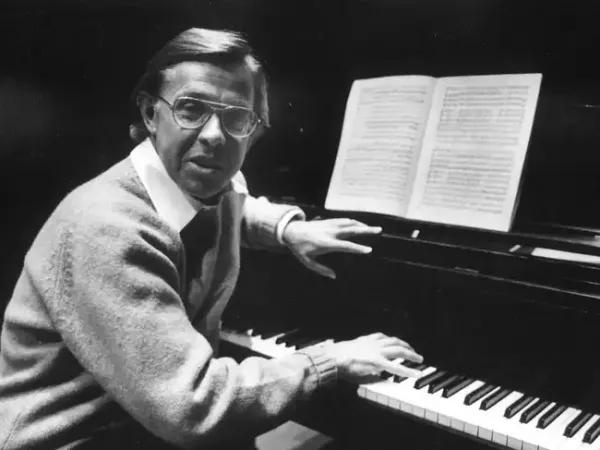
Who was Charles Wadsworth
Charles Wadsworth was not only known for such observations but also for his long career in music. He was an American pianist and a major figure in chamber music, widely respected for bringing the genre to a broader audience. He founded the Chamber Music Society of Lincoln Center and played an important role in shaping how chamber music concerts were presented.Born in rural Georgia, his journey in music took him from local beginnings to major stages. He studied at the University of Georgia and later at The Juilliard School, building a strong foundation that supported his long career. His work was not limited to performance; he focused heavily on creating spaces where musicians could connect with audiences in a more relaxed and engaging way.
His association with the Festival dei Due Mondi in Spoleto, Italy, marked an important phase. Invited by composer Gian Carlo Menotti, he developed a chamber music series that aimed to make the experience more welcoming. This approach later influenced similar efforts in the United States, especially at the Spoleto Festival USA in Charleston.
A lasting influence in music
Over the years, Wadsworth’s work helped introduce audiences to new compositions and emerging artists. He supported musicians who would later become widely recognised, including Yo-Yo Ma and Pinchas Zukerman. His programming often included new works, with more than 65 compositions commissioned during his career.He also had a unique way of presenting concerts. Instead of announcing full programmes in advance, he often revealed them on stage. This required trust from the audience but also created a different kind of experience, where people came not just for specific pieces but for the overall performance.
Beyond concert halls, he performed at the White House for several U.S. presidents, including John F. Kennedy and Ronald Reagan. His contributions earned him multiple honours, including cultural awards from France and Italy, along with recognition in the United States.
Wadsworth passed away on May 29, 2025, in New York City at the age of 96. He left behind not just a strong legacy in music but also simple observations like this quote of the day, which continue to be shared widely.
Even now, the line feels relevant because it reflects something that has not really changed. Every generation believes it understands the world better than the one before it. And every generation, at some point, realises that things were not as simple as they once seemed.
The quote does not try to correct anyone or give direct advice. Instead, it quietly points out a pattern that people recognise in their own lives. That is perhaps why it continues to stay with readers. It is not trying to sound profound, but it ends up being so because it describes a truth that repeats again and again.