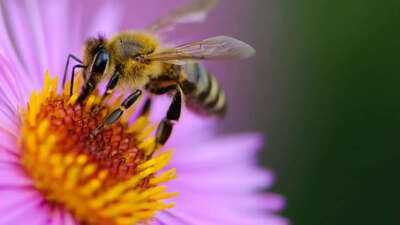
You’ve got flowers, but your garden isn’t bursting with fruits, veggies, or butterflies. Chances are, it’s not about your soil — it’s about your pollinators.
Bees are the quiet heroes of nature; they fly from flower to flower, making sure plants can reproduce. Without them, most foods, like apples, strawberries, almonds, tomatoes, pumpkins, and coffee, would cost a lot more and disappear from our diets. Believe it or not, about 75% of flowering plants and around 35% of global food crops need animal pollinators like bees.
Why do you need bees in your garden?Per Good Housekeeping, Laura Leger, who has a Ph.D. in Entomology from UC Riverside, puts it simply: “Without bees and other pollinators, we wouldn’t have much of the floral or fruit diversity that we see in the world. Our diets would only consist of wind-pollinated products like grain. And our backyards would not be nearly as vibrant with all of the beautiful and diverse colors that flowering plants produce.”
So how does pollination work? According to the USDA, bees visit flowers looking for food, and while moving around, they accidentally carry pollen to other flowers. That lets the plants produce fruits and seeds. No pollinators lead to fewer plants, and that ends up making up a duller planet.
Bee populations have taken a big hit in recent years due to habitat loss, pesticides, climate change, and cities spreading everywhere. Many pretty gardens don’t actually help bees much.
But here’s the upside: small changes make a big difference. You don’t need a giant farm. Even a balcony with some flower pots, a backyard patch with wild blooms, or a tiny herb garden can help bees out.
Making your garden bee-friendly isn’t just “good for the planet,” your own plants will grow better, and you’ll get more fruits and flowers.
Let’s take a look at how to bring more bees to your garden.
Plant a variety of flowersThink different shapes, sizes, and colors. “Flowers are food for bees! The more diverse your garden is, the more diverse your pollinators can be,” says Leger. Sunflowers, for example, have been shown to help prevent some bee diseases.
Go nativeBees need nectar and pollen for themselves and their babies. Plant native trees, shrubs, annuals, and perennials that bloom all season long. In spring, oaks, maples, and fruit trees offer tons of flowers. In late summer and fall, asters and goldenrods can brighten your yard and offer bees plenty to eat. If you’re unsure about what to plant, check the Xerces Society's pollinator plant lists for your region.
Keep the wildlife in mindSure, you want your garden to look good, but it should also serve pollinators and other critters, even if that means planting something you’d never pick for yourself.
Cut back on pesticidesThis one’s very important. Pesticides are a top reason bees are declining. These chemicals stick to plants and affect bees long after you spray. It’s tempting to fight garden pests with stronger stuff, but there are gentler ways: try natural pest controls, invite ladybugs or praying mantises, use insecticidal soap or cayenne pepper. Your plants stay safe, and bees can keep feeding.
Leave space for nestingMost of us think bees all go home to a big hive, but actually, many bees nest solo. Some dig in soil, some nest in tree cavities, and some in hollow branches. If you offer bee hotels or just leave a pile of scrap wood, you might invite nesting bees. If they nest there, chances are, they’ll pollinate your plants, too.
Bring friends into the effortFinally, when it’s about gardening or inviting bees into your garden, turning that into a community activity makes it more fun and enjoyable. Your little patch is a start, but the real change happens when your neighbors care, too. Share your favorite native flowers, talk about pollinator-friendly gardening, or put up signs encouraging others to do the same.
Contact to : xlf550402@gmail.com
Copyright © boyuanhulian 2020 - 2023. All Right Reserved.