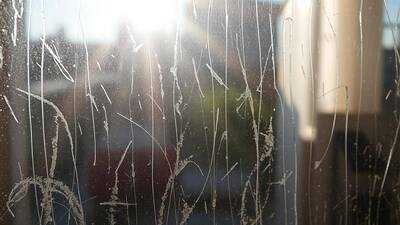
The next day, after hours of cleaning your windows, you notice how the sunlight creates a network of streaks, and you realise the window still seems cloudy. The feeling is that you’ve somehow been unsuccessful at cleaning the house, but science tells us that this problem does not lie in our effort but rather in chemistry. We clean off the dirt on the surface while leaving some chemical ghost residue that regular glass cleaners cannot take care of.
As far as we know, windows comprise one large solid surface. In reality, though, the structure of that surface is quite complicated due to numerous interactions. Moreover, as opposed to simply collecting dust, a window interacts with various air pollutants, household emissions, and even minerals from your drinking water. As a result, there emerge layers of residues.
Why your glass is more complicated than you think
A study conducted by scientists for the helps understand the reasons why it becomes so frustratingly difficult to clean windows properly. According to the research, some residues, such as alkali metal and silicate deposits, produce an opaque layer, which affects light transmission through glass. Such substances are not just any dust; they are reaction products.
That’s because your favourite blue spray never seems to do the job. Normal cleaning products are made to dissolve grease and dust particles, not to eliminate the mineral compound of silicates or the layer formed by months of exposure to pollution on the surface of the window. Rinsing your window with a regular detergent can remove the layer of the substance covering the glass, but you may end up moving the particles from one spot to another.
The key to achieving clarity
If it is a chemical problem, then it needs a specific solution. The above study revealed that scientists employ lasers in laboratories to “blast off” the stubborn layers of silicates, but the process does no damage to the glass itself. While we don’t recommend using lasers at home, the message is clear: the chemical bond must be disrupted.
In order to do it right at home, however, the purity of your water and the timing of your cleaning become vital factors. One of the reasons that causes buildup in your bathroom or kitchen surfaces is hard water, since it leaves behind deposits of calcium and magnesium in these places. When rinsing with a regular garden hose or tap water, you simply give life to the haze.
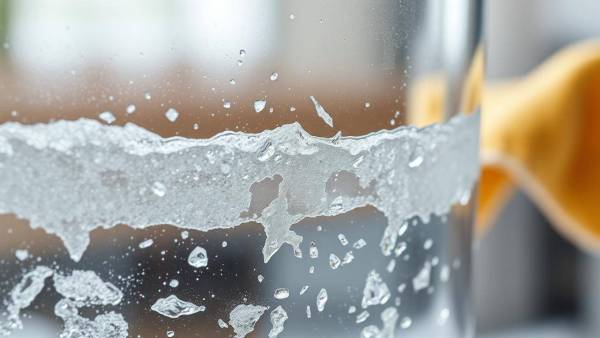
On a more serious note, however, sunshine may become an enemy of your cleaning efforts because the solution will evaporate too fast due to the high heat, not allowing it to penetrate and wash off the dirt effectively. Thus, the chemicals will stay in place, leaving streaks in their place. The trick here is to clean the windows when the sun isn't up yet or when clouds are covering the sky.
How modern glass affects your vision
As you may know, most modern buildings are equipped with energy-efficient windows featuring such technologies as antireflective coatings or solar glazing. Although such additions are extremely helpful in saving you money on electricity bills, they are a nightmare for the cleaning process. According to the research published by Scientific Reports under the title
Assessing the impact of glazing and window shade systems on view clarity, some materials may change how you see things significantly.
If there is a coating on your glass, avoid strong ammonia-based products since they may cause damage to the surface layer and make the glass appear foggy after some time. The rule of thumb is that the fewer chemicals you use, the better. Use a high-quality microfiber cloth instead, which will effectively lift dirt from the surface by grabbing particles. It often works better than soaking it in chemicals.
One more aspect to consider when addressing the problem is the nature of light on the glass itself. According to the above research, glazing systems, reflection, and scattering of light can create the illusion of dirtiness even if there is no actual reason for that. In order to preserve that feeling of having invisible glass, regular cleaning should be preferred over intensive one-time activities. Use distilled water, special microfiber brushes, and refrain from cleaning during midday sunshine, and you will go beyond the point of “dirty but clean” windows.
Contact to : xlf550402@gmail.com
Copyright © boyuanhulian 2020 - 2023. All Right Reserved.