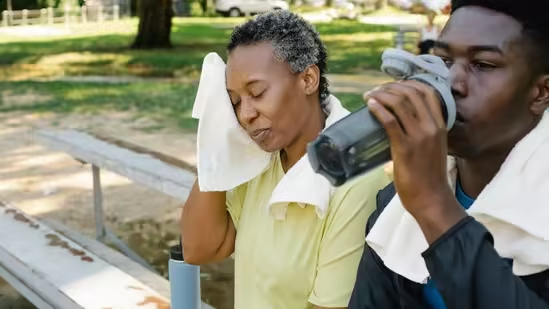
As summer sets in and heatwaves become more frequent and intense, rising temperatures are putting more people at risk of heat- illnesses, including heatstroke. With cases increasing each year, it’s crucial to understand how to recognise the warning signs early, take preventive measures, and respond quickly in an emergency. Knowing the right dos and don’ts can make all the difference in protecting yourself and others from the potentially serious effects of extreme heat.
Dr Rajiv Chhabra, the chief paediatrician at Artemis Hospitals, told Tezzbuzz Lifestyle in a June 2025 interview, “Heatstroke is a serious medical emergency that can occur when your body gets too hot, often due to extended exposure to high temperatures or intense physical activity in the heat. It can impact both children and adults, and if not addressed promptly, it can lead to serious damage to vital organs like the brain, heart, kidneys, and muscles. In severe cases, it can even be life-threatening.”
Symptoms of heat stroke
Dr Tushar Tayal – a consultant in Internal Medicine at CK Birla Hospital, Gurugram – shared the various symptoms of a heat stroke with Tezzbuzz Lifestyle in a May 2024 interview. They are as follows:
- High body temperature: Core temperature rises to 104°F or higher.
- Headache: Severe throbbing headache is a tell-tale sign of heat stroke and needs immediate attention.
- Muscle cramps and weakness: Severe muscle pain, weakness, body ache, and inability to stand and walk indicate severe dehydration.
- Increased breathing rate: Fast and shallow breathing, and feeling of breathlessness show your body is unable to cool down.
- Heart rate: A noticeable increase in heart rate shows that your body is under severe heat stress.
- Nausea, vomiting: Stomach upset, pain, and nausea are signs of heat stroke.
- Skin temperature: Hot and red skin, and lack of sweating could indicate that the body’s internal heat regulation system isn’t working properly.
Steps to prevent heat strokes
Dr Chhabra outlined the following simple steps to prevent heat strokes during scorching summers.
1. Stay hydrated
Drink as much water as you can throughout the day, even if you’re not thirsty. Being dehydrated is one of the most common factors contributing to heatstroke. Children and older adults are at the greatest risk for heat stroke, so you need to ensure they are drinking water regularly. Try not to consume drinks with caffeine or alcohol, as these can dehydrate you.
2. Dress light
Your body needs to sweat to stay cool, so wearing loose, breathable clothing can help the sweating process. Cotton and linen clothing are breathable fabrics that help sweat evaporate and cool off your body. Light colours reflect sunlight, thereby reducing heat absorption. Wearing darker, tighter clothing will trap heat and increase body temperature quickly.
3. Avoid outdoor activities during peak heat
When the sun is at its most intense – typically between noon and 4:00 pm – it’s best to stay indoors as much as possible. If you need to be outside for work, or if children are playing outdoors, ensure there are frequent breaks in cool, shaded areas to prevent overheating.
4. Never leave anyone in a parked car
A parked vehicle can become dangerously hot within minutes. Even if the windows are slightly open, the temperature inside can rise rapidly once the engine is off, creating conditions that can lead to heatstroke. Never leave children, pets, or vulnerable adults in a parked car, even for a short time.
Steps to take during a heat stroke
If a person develops a high fever, hot and dry skin, a rapid pulse, or loses consciousness, Dr Chhabra warns that it should be treated as a medical emergency, as these may be signs of heatstroke. He recommends the following immediate steps while awaiting medical attention:
1. Move the person to a cooler environment
The first priority is to move the person out of the heat and into a cooler environment. Shift them indoors – ideally somewhere with a fan or air conditioning – or at the very least into a shaded area. Reducing heat exposure as quickly as possible helps prevent the condition from worsening and supports the body’s cooling and recovery.
2. Reduce the body temperature
To help safely and quickly reduce the body temperature, you can place a cool, damp cloth on the skin or sponge the person with water. Try to work on large areas such as the neck and armpits.
3. Fan them while spraying water
Use a squirt bottle or a wet cloth to spray the person with water while you fan them. This will simulate sweating and accelerate the body’s cooling process through evaporation, which will help to get their internal temperature down more quickly.
4. Do not give them water if unconscious
Never give water to someone who is unconscious or only partially conscious, as this can lead to choking or aspiration. If the person is fully alert and able to swallow safely, offer small, frequent sips of cool water instead of large amounts at once.
Note to readers: This article is for informational purposes only and not a substitute for professional medical advice. Always seek the advice of your doctor with any questions about a medical condition.
Contact to : xlf550402@gmail.com
Copyright © boyuanhulian 2020 - 2023. All Right Reserved.