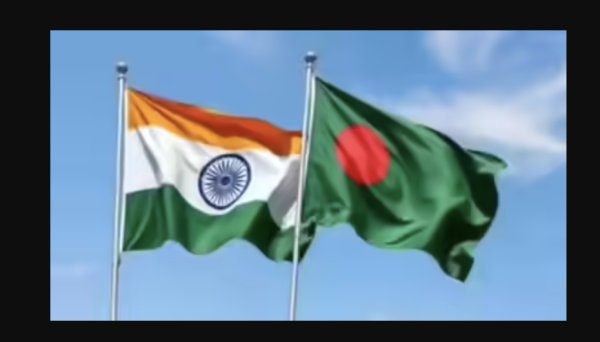
A new projection by the International Monetary Fund has triggered a fresh economic debate: Bangladesh is expected to slightly surpass India in GDP per capita in 2026. But beneath the headlines lies a more nuanced story.
The Numbers Behind the Headline
According to IMF’s latest World Economic Outlook:
- Bangladesh: $2,911 per capita GDP (2026)
- India: $2,812 per capita GDP (2026)
The difference is marginal—less than $100—but symbolically significant. This isn’t the first time Bangladesh has edged ahead; it has previously led on this metric in recent years as well.
Comparison Table: India vs Bangladesh (2026 IMF Estimates)
| Metric | India | Bangladesh |
|---|---|---|
| GDP Per Capita | $2,812 | $2,911 |
| Total GDP | ~$4.1 trillion | ~$510 billion |
| Population Impact | Very high (largest globally) | Lower than India |
| Growth Narrative | Fastest-growing major economy | Strong export-led growth |
| Lead Duration | Regains lead by 2027 | Temporary lead in 2026 |
Why Bangladesh Is Ahead (For Now)
The key factor isn’t that Bangladesh’s economy is bigger—it’s not. India’s total GDP is nearly 8x larger.
Instead, this shift is driven by:
- Lower population baseboosting per capita averages
- Strong export sectorsespecially textiles
- Stable growth trajectory in recent years
Meanwhile, India’s massive population dilutes per capita figures, even as the economy grows rapidly overall.
Why This Lead May Be Short-Lived
IMF projections clearly show this is likely a temporary crossover:
- India is expected to regain the lead in 2027
- Estimated 2027 per capita GDP:
- India: ~$3,074
- Bangladesh: ~$3,048
India is also projected to maintain this lead through at least 2031.
The Bigger Picture: Don’t Misread the Data
GDP per capita is a useful indicator—but it doesn’t tell the full story.
- It reflects average incomenot total economic strength
- It doesn’t capture inequality, infrastructure, or scale
- Large economies like India often lag in per capita terms due to population size
Experts stress that this is a statistical shift, not a structural upset.
Final Take
This development is less about “who’s winning” and more about how economies evolve differently. Bangladesh’s growth model is delivering strong per-person outcomes, while India continues to dominate in scale and long-term trajectory.
Both stories can be true at the same time—and that’s what makes this comparison interesting.
Contact to : xlf550402@gmail.com
Copyright © boyuanhulian 2020 - 2023. All Right Reserved.