
Kajol gets candid about parenting daughter Nysa: “For three years, we just fought.....”
Kajol has always come across as candid, but her recent reflection on motherhood felt especially honest. Speaking in a conversation with Lilly Singh, the actor looked back on the years when parenting her daughter, Nysa, was far from easy. What emerged was not a polished story of effortless bonding but a familiar and deeply personal one: love, conflict, confusion, and, eventually, understanding.
Kajol said the relationship took time to build, especially when Nysa entered her teens. Around the age of 12, she recalled, emotions ran high and the household was often caught in disagreement. She described both of them as being “irrational” and “illogical” at times, a reminder that even the strongest family bonds can go through a rough stretch before they settle into something steadier.
A bond that had to be built
What stood out in Kajol’s account was not the conflict itself, but the way she chose to respond to it. Instead of continuing to fight fire with fire, she said she made a conscious decision to step back and become the more rational one in the relationship. That shift, small as it may have seemed at the time, changed the entire tone of their interactions.
For nearly three years, mother and daughter struggled to find common ground. Neither wanted to listen; neither wanted to talk. But gradually, those confrontations began to soften into conversations. Kajol said the turning point came when she realised that her daughter did not need another lecture. She needed space, patience and a listener.
That insight, she said, became her biggest lesson as a parent. It was not about speaking more. It was about listening better. And once she created room for Nysa to express herself, the relationship began to feel less like a battle and more like a bond.
Parenting Gen Z with older eyes
Kajol also used the moment to reflect on what it means to parent Gen Z children. With her trademark humour, she argued that her own generation may be the most adaptable one, having lived through a dramatic shift from landlines to smartphones to social media. But beneath the playful confidence was a sharper observation: children today are growing up with too much information and too many voices competing for their attention.
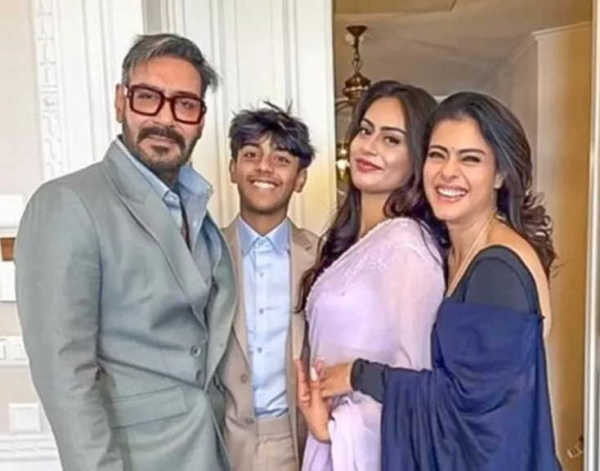
According to Kajol, that overload can make decision-making harder for young people. Where earlier generations often had to form opinions with limited outside influence, Gen Z is constantly processing inputs from peers, platforms and the internet. In that environment, even basic questions about identity, values and boundaries can feel more complicated than they once did.
She also noted that her son and daughter process information differently and that girls, in particular, often face more pressure and expectations. It was a reminder that parenting is never one-size-fits-all. Each child needs to be understood on their own terms.
The tenderness behind the honesty
Kajol’s comments struck a chord because they avoided the usual gloss that surrounds celebrity parenting stories. There was no attempt to turn struggle into a slogan. Instead, she spoke about the slow work of rebuilding trust, of learning when to hold back, and of accepting that children grow into their own people whether parents are ready or not.
That same tenderness was visible in her memories of early motherhood, when physical closeness and constant affection came naturally. As children grow older, that closeness changes form. Kajol’s reflections seemed to capture that shift beautifully: the ache of missing the earlier stage and the maturity required to embrace the one that follows. Today, she said, things are fine between them. That quiet line may have been the most telling of all. It suggested not a perfect relationship but a real one, tested, repaired and strengthened by time.
Kajol said the relationship took time to build, especially when Nysa entered her teens. Around the age of 12, she recalled, emotions ran high and the household was often caught in disagreement. She described both of them as being “irrational” and “illogical” at times, a reminder that even the strongest family bonds can go through a rough stretch before they settle into something steadier.
A bond that had to be built
What stood out in Kajol’s account was not the conflict itself, but the way she chose to respond to it. Instead of continuing to fight fire with fire, she said she made a conscious decision to step back and become the more rational one in the relationship. That shift, small as it may have seemed at the time, changed the entire tone of their interactions.
https://youtu.be/k3LtThDxmSc?si=u0jLL7wrN7WxNtw2
For nearly three years, mother and daughter struggled to find common ground. Neither wanted to listen; neither wanted to talk. But gradually, those confrontations began to soften into conversations. Kajol said the turning point came when she realised that her daughter did not need another lecture. She needed space, patience and a listener.
That insight, she said, became her biggest lesson as a parent. It was not about speaking more. It was about listening better. And once she created room for Nysa to express herself, the relationship began to feel less like a battle and more like a bond.
Parenting Gen Z with older eyes
Kajol also used the moment to reflect on what it means to parent Gen Z children. With her trademark humour, she argued that her own generation may be the most adaptable one, having lived through a dramatic shift from landlines to smartphones to social media. But beneath the playful confidence was a sharper observation: children today are growing up with too much information and too many voices competing for their attention.
According to Kajol, that overload can make decision-making harder for young people. Where earlier generations often had to form opinions with limited outside influence, Gen Z is constantly processing inputs from peers, platforms and the internet. In that environment, even basic questions about identity, values and boundaries can feel more complicated than they once did.
She also noted that her son and daughter process information differently and that girls, in particular, often face more pressure and expectations. It was a reminder that parenting is never one-size-fits-all. Each child needs to be understood on their own terms.
The tenderness behind the honesty
Kajol’s comments struck a chord because they avoided the usual gloss that surrounds celebrity parenting stories. There was no attempt to turn struggle into a slogan. Instead, she spoke about the slow work of rebuilding trust, of learning when to hold back, and of accepting that children grow into their own people whether parents are ready or not.
That same tenderness was visible in her memories of early motherhood, when physical closeness and constant affection came naturally. As children grow older, that closeness changes form. Kajol’s reflections seemed to capture that shift beautifully: the ache of missing the earlier stage and the maturity required to embrace the one that follows. Today, she said, things are fine between them. That quiet line may have been the most telling of all. It suggested not a perfect relationship but a real one, tested, repaired and strengthened by time.
Contact to : xlf550402@gmail.com
Copyright © boyuanhulian 2020 - 2023. All Right Reserved.