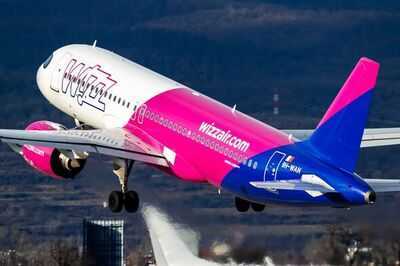
A warning has been issued to holidaymakers as airlines continue to be hit by the jet fuel supply crisis. Passengers hoping to fly with Wizz Air this summer could face disruption due to the company's fuel hedging levels and low-cost model.
According to XTB, Wizz Air has been hit the hardest by jet fuel supply issues, sparked by the closure of the Strait of Hormuz, as it is the least hedged among European airlines. Data shows Wizz Air has fuel hedging levels of just 55%, compared to RyanAir's 80%, Lufthansa's 77% and easyJet's 70%. Fuel hedging is a risk-management strategy used by airlines to lock in prices for future dates, aiming to reduce volatility caused by fluctuating prices.
As reported by XTB, a global brokerage website, Wizz Air now faces serious losses on every unhedged flight which means passengers face late flight cancellations this summer. The squeeze on jet fuel supply caused by the closure of the Strait of Hormuz has pushed up the price, roughly doubling during March and the first half of April.
While airlines are not physically running short of fuel at the moment, there have been warnings of potential shortages by the summer if the conflict in the Middle East continues. Some flights have already surged in prices, with trips from London to Melbourne in June now costing 76% more than last year.
XTB said Wizz Air is among the most exposed airlines due to the risk caused by its low hedging levels and low revenue base. The site explained: "Wizz Air faces a dilemma with no good answer: fly at a loss or cut the network and lose valuable airport slots."
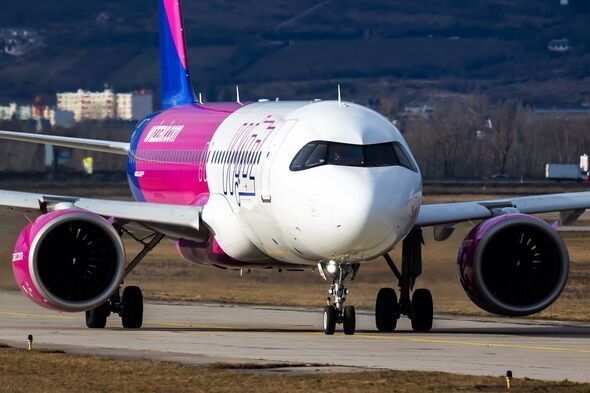
They added: "For travellers planning summer holidays, the consequences go beyond ticket prices alone. Expect fuel surcharges introduced at short notice, a real risk of flight cancellations even close to departure, and a deterioration in service quality as airlines cut costs elsewhere to offset fuel expenses. Higher fares and a genuine risk of network reductions at the peak of summer season are now the base case, not the pessimistic scenario."
Experts believe the situation in the Strait of Hormuz must stablise before July to prevent European airlines from having their toughest summer since the pandemic. According to XTB, fuel inventories could drop to critical levels within 8-9 weeks in the worst-case scenario.
Wizz Air operates from 35 bases to over 800 routes across Europe Middle East, and parts of North Africa. Key destinations include major cities and holiday spots in countries such as Italy, Spain, Poland, Romania, Albania and the UK.
Wizz Air said in a statement: "Wizz Air actively monitors fuel supply as it affects all airlines, but there is no disruption at the moment and we do not expect any flight cancellations.
"We are 70% hedged against Jet Fuel, compared to number of other airlines who are hedged against base commodities, such as Brent Oil. The price gap between Brent Oil and Jet Fuel has widened significantly, with Jet Fuel becoming much more expensive. As a result, having hedged costs for Brent Oil provides only partial protection, which puts these network carriers at a distinct disadvantage. Wizz Air acquired Jet Fuel hedges over the past year and a half, at considerably lower prices than the current market, which further supports our position - which is one of the strongest in the industry.
"In addition, 75% of our fleet is the A320neo family aircraft, which has a significantly lower fuel burn and greater efficiency, giving us a structural cost advantage compared to any other airline in Europe.
"On a broader level, we don't anticipate shortages in fuel. The current market environment strongly incentivises suppliers to maintain supply, particularly given elevated prices. We are continuing to monitor the situation, and we'll keep customers informed and provide timely updates if needed."
Contact to : xlf550402@gmail.com
Copyright © boyuanhulian 2020 - 2023. All Right Reserved.