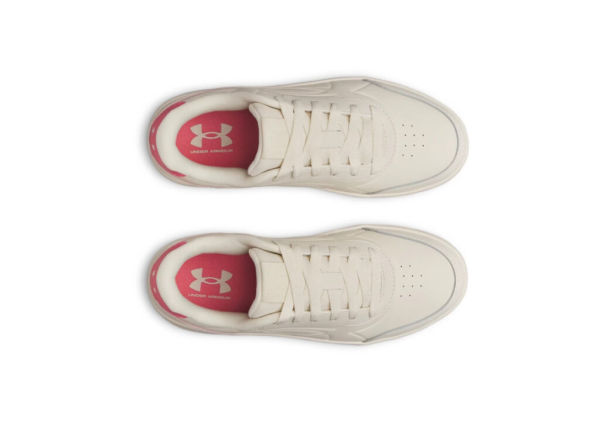
Buying sports shoes sounds simple until you realise how many women are still training, running, and playing in footwear that was never designed for what they actually do. A pair may look sharp online, feel soft in the hand, and still fail where it matters most: during movement.
That is usually when problems start. Your knees feel the impact first. Your ankles lose confidence in fast directional changes. Your feet begin to fatigue early in a workout that should have felt manageable. The issue is not always your routine. Very often, it is the shoe.
The truth is, sports shoes for women should never be chosen like everyday footwear. Performance shoes are built around movement patterns, support needs, cushioning response, grip behaviour, and fit. Once you understand that, choosing the right pair becomes much easier and far more useful.
Start with the Sport, Not the Shelf
One of the most common mistakes women make is shopping by appearance or by broad category labels. “Sports shoes” is too wide a term to be helpful on its own. What matters is the kind of movement your body repeats most often.
If your routine includes lifting, lunges, intervals, agility drills, or mixed gym sessions, you need a training shoe. That means a stable platform, a reliable grip, and enough flexibility to move without feeling loose. A shoe built for training should help you stay grounded when you squat, pivot, or change direction quickly.
That is where shoes like the Under Armour Project Rock 8 Training Shoes make sense. The build focuses on control and ground connection rather than excess softness. UA TriBase technology supports better contact with the floor during lifts, while Micro G cushioning gives impact protection without making the underfoot feel vague. For women who train hard and need their footwear to keep up, that difference is not minor. It changes how secure every rep feels.
For routines that move between indoor training and outdoor ground, the UA EXPLOR Trail Shoes bring more grip and better terrain adaptability. And if the need is straightforward gym performance with a women-focused fit, the Dynamic 2 Training Shoes offer a stable heel and flexible forefoot without overcomplicating the experience.
Running Shoes Need a Different Kind of Thinking
Running footwear should not be judged by the same rules as training footwear. The design priorities are different because the movement pattern is different. Running is repetitive, forward-driven, and impact-heavy over distance. That changes everything from the foam layout to the outsole shape.
A proper running shoe should help with rhythm, cushioning return, and forward transition. It should not feel bulky, unstable, or disconnected from the road. For women logging regular mileage, that becomes especially important because even small inefficiencies repeat hundreds or thousands of times.
The UA Velociti Elite 3 is built with that sharper performance purpose in mind. UA Flow cushioning keeps the shoe light while still providing responsiveness and grip. The absence of a separate rubber outsole also changes how the shoe behaves underfoot, especially for runners who want quick turnover and less weight.
For women who care about speed and race-day feel, the Velociti Pro 2 pushes further into performance territory. And for more regular weekly running, the Infinite Pro 2 offers a structured, supportive fit with UA Warp upper construction that wraps the foot well without creating a restrictive feel.
This is the point many buyers miss: good sports shoes for women in the running category should match how often you run, how far you run, and where you run. A treadmill runner, a road runner, and a trail runner are not asking the same thing from a shoe.
Court Movement Demands Stability You Cannot Fake
Basketball and court-based movement deserve more attention than they usually get in women’s footwear discussions. Too often, women end up using running shoes on court because they are available, familiar, or simply easier to find. But running shoes are not built for repeated lateral cuts, abrupt stopping, or vertical loading.
Court shoes need better side support, stronger grip behaviour, and more control during directional change. Without that, the foot works harder than it should and the risk of unstable movement goes up.
That is why the Curry 12 Extraterrestrial Basketball Shoes stand out. With UA Flow cushioning and traction designed for explosive movement, they are built for play rather than appearance. They support the kind of motion that basketball and similar court sports actually demand.
The SlipSpeed line, including the Echo and Nova versions, also brings an interesting benefit for women balancing training spaces and active transitions. The collapsible heel design adds practicality, but the silhouette still carries enough performance intent to avoid feeling like a compromise.
Not Every Active Day Is a Workout, but Support Still Matters
There is another category women often overlook: shoes built for active daily movement. Not every day involves a run or a structured workout. Some days are made up of long hours on your feet, walking between tasks, light mobility, and constant movement that still puts pressure on the body.
That is where all-day performance footwear becomes useful. It should feel cushioned, supportive, and durable without becoming dead or flat halfway through the day.
The Charged Surge 4 works well in that space because Charged cushioning is designed to keep impact management consistent over time. The Phantom 4 Chrome Shoes and Charged Speed Swift also suit women who want performance technology in footwear that can carry them beyond a single training session.
This category matters more than it gets credit for. Many women do not need one shoe for one isolated workout. They need footwear that can support movement across the day without breaking rhythm.
What to Check Before You Buy
Before choosing any pair, pause on the colour, styling, and surface-level details. The better questions are more practical.
- Look first at the activity. If the shoe does not match the movement, the rest of the decision does not matter much.
- Then check the surface. Gym floors, roads, trails, and courts all require different grip behaviour. The outsole pattern is not decoration. It affects control.
- After that, focus on fit. Women often check shoe length and stop there, but forefoot shape matters just as much. A shoe that is technically your size can still feel wrong if the front of the foot is cramped or unsupported.
- Finally, pay attention to the performance technology. Cushioning type, heel structure, upper design, and underfoot stability all matter more than visual appeal. In sports shoes for women, function should always come first.
Why Women-Specific Design Makes a Real Difference
Women’s feet are not simply smaller versions of men’s feet. Fit, heel shape, forefoot proportions, and loading patterns can differ in ways that affect comfort and movement quality. That is why a women-specific build matters.
A shoe designed around women’s biomechanics can offer better heel hold, more suitable forefoot space, and cushioning geometry that feels more natural in motion. That usually leads to better comfort, better control, and better long-term use than a generic unisex shoe that has simply been scaled down.
The Better Way to Buy
The best pair is not the one with the loudest design or the most fashionable profile. It is the one that works with your movement instead of against it.
That is the real buying shift women need to make. Stop shopping for a shoe that only looks active. Start choosing one that is built for the way you actually train, run, move, and recover.
When you approach footwear that way, the decision becomes much clearer. And the right pair does more than complete an outfit. It protects performance, supports confidence, and helps you move the way you are meant to.
Contact to : xlf550402@gmail.com
Copyright © boyuanhulian 2020 - 2023. All Right Reserved.