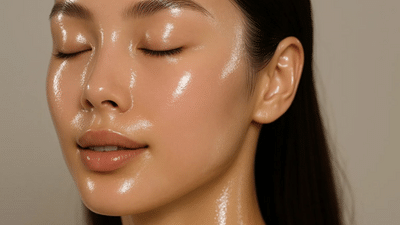
Aloe vera vs glycerin: Which is better for glass skin?
The mercury is rising. As we navigate the relentless heat, our collective obsession with achieving a flawless, enduring glow is hitting an all-time high. Everyone wants that luminous, perfectly hydrated skin. Getting there, however, isn't about grabbing the most expensive serum off a department store shelf. It comes down to understanding how specific ingredients interact with your skin's moisture barrier and the environment around you. Right now, a quiet debate is dominating beauty forums and skincare routines. Aloe vera versus glycerin . They are both staples. They both promise hydration. But they perform fundamentally different jobs.
Glycerin: The Heavy-Duty Hydrator
Look at glycerin first, specifically the plant-derived vegetable kind. Think of this ingredient as a microscopic sponge. It functions as an intensive humectant. It actively pulls moisture from the surrounding air and draws it up from the deeper layers of your face straight to the outermost surface. It operates on a fascinating cellular level through aquaporin 3. This is essentially a protein that acts like a transport channel for water moving through your cell membranes. The payoff here is massive.

Glycerin is exceptionally efficient. It routinely outperforms buzzy ingredients like hyaluronic acid when it comes to sustained moisture retention. By keeping that top layer fully hydrated, it physically plumps the skin. That action is exactly what translates to a dewy, glass-like glow, while simultaneously strengthening your natural barrier against environmental stress. There is a catch. Context matters entirely with this ingredient. If you are sitting through a bone-dry Delhi summer, pure glycerin can completely backfire.
When the air around you lacks humidity, this sponge searches for water wherever it can find it. It will pull moisture up from the deep layers of your skin and evaporate it into the dry room, leaving you dehydrated. It must always be diluted. You have to pair it with an occlusive to lock that moisture down, otherwise, you risk a tacky, sticky residue.
Aloe Vera: The Cooling Calmer
On the other end of the spectrum is the classic botanical heavyweight. Aloe vera is heavily water-based and deeply penetrating. While it does offer hydration, its primary superpower is completely different. It cools. It calms inflammation. It accelerates the healing of microscopic surface damage. Packed with vitamins C and E and a wealth of antioxidants, aloe absorbs rapidly without a trace of greasy aftermath. Its natural astringent properties help balance sebum production.
If you have an oily or combination profile and want a glow without looking shiny, this is ideal. Consistent use gradually lightens mild pigmentation and acne scars, giving you a remarkably clear, even tone. The downside? It doesn't seal the deal. Aloe lacks the heavy-duty, moisture-binding capabilities of a true humectant. The hydration it provides can evaporate quickly. Used entirely on its own, it might leave your face feeling unexpectedly tight.

The Verdict
If your absolute main goal is a plump, highly moisturized, "dewy" aesthetic, glycerin takes the crown. Its mechanical ability to bind water to the surface creates that immediate visual plumpness. Aloe vera, on the other hand, provides a much more matte, natural finish.
The true secret to an everlasting glow is using them together. Aloe vera delivers instant water-based hydration deep into the tissue. Glycerin then grabs onto that exact water, stopping transepidermal water loss in its tracks. Try mixing a few drops of pure vegetable glycerin directly into fresh aloe vera gel. Apply this customized, lightweight blend onto slightly damp skin. The glycerin gets all the water it needs to hold onto. The aloe instantly soothes the underlying skin. The result is a balanced, incredibly resilient radiance that actually lasts all day.
Glycerin: The Heavy-Duty Hydrator
Look at glycerin first, specifically the plant-derived vegetable kind. Think of this ingredient as a microscopic sponge. It functions as an intensive humectant. It actively pulls moisture from the surrounding air and draws it up from the deeper layers of your face straight to the outermost surface. It operates on a fascinating cellular level through aquaporin 3. This is essentially a protein that acts like a transport channel for water moving through your cell membranes. The payoff here is massive.
Glycerin is exceptionally efficient. It routinely outperforms buzzy ingredients like hyaluronic acid when it comes to sustained moisture retention. By keeping that top layer fully hydrated, it physically plumps the skin. That action is exactly what translates to a dewy, glass-like glow, while simultaneously strengthening your natural barrier against environmental stress. There is a catch. Context matters entirely with this ingredient. If you are sitting through a bone-dry Delhi summer, pure glycerin can completely backfire.
When the air around you lacks humidity, this sponge searches for water wherever it can find it. It will pull moisture up from the deep layers of your skin and evaporate it into the dry room, leaving you dehydrated. It must always be diluted. You have to pair it with an occlusive to lock that moisture down, otherwise, you risk a tacky, sticky residue.
Aloe Vera: The Cooling Calmer
On the other end of the spectrum is the classic botanical heavyweight. Aloe vera is heavily water-based and deeply penetrating. While it does offer hydration, its primary superpower is completely different. It cools. It calms inflammation. It accelerates the healing of microscopic surface damage. Packed with vitamins C and E and a wealth of antioxidants, aloe absorbs rapidly without a trace of greasy aftermath. Its natural astringent properties help balance sebum production.
If you have an oily or combination profile and want a glow without looking shiny, this is ideal. Consistent use gradually lightens mild pigmentation and acne scars, giving you a remarkably clear, even tone. The downside? It doesn't seal the deal. Aloe lacks the heavy-duty, moisture-binding capabilities of a true humectant. The hydration it provides can evaporate quickly. Used entirely on its own, it might leave your face feeling unexpectedly tight.
The Verdict
If your absolute main goal is a plump, highly moisturized, "dewy" aesthetic, glycerin takes the crown. Its mechanical ability to bind water to the surface creates that immediate visual plumpness. Aloe vera, on the other hand, provides a much more matte, natural finish.
The true secret to an everlasting glow is using them together. Aloe vera delivers instant water-based hydration deep into the tissue. Glycerin then grabs onto that exact water, stopping transepidermal water loss in its tracks. Try mixing a few drops of pure vegetable glycerin directly into fresh aloe vera gel. Apply this customized, lightweight blend onto slightly damp skin. The glycerin gets all the water it needs to hold onto. The aloe instantly soothes the underlying skin. The result is a balanced, incredibly resilient radiance that actually lasts all day.
Contact to : xlf550402@gmail.com
Copyright © boyuanhulian 2020 - 2023. All Right Reserved.