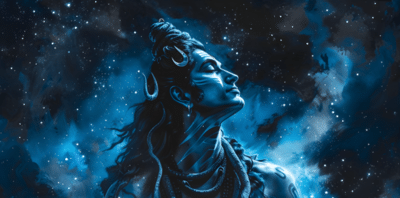
Why Kabandha Bhairava Was Never Fully Explained
Imagine a form of Lord Shiva without a head. No face. No eyes. No identity as we understand it. At first, it feels disturbing. Almost impossible to accept. Was it a curse? A punishment? Or something far deeper that was never meant for everyone to understand? Ancient texts describe this mysterious form as Kabandha Bhairava a form that challenges everything we think we know about devotion, identity, and even consciousness itself. But here is the real question What if this is not about destruction but about the ultimate transformation?
WHY A HEADLESS FORM FEELS UNSETTLING
When people first hear about a headless form of Shiva, the reaction is discomfort. The human mind is wired to recognize identity through the face. Without it, everything feels incomplete. This is exactly the point. Kabandha Bhairava breaks the normal way we perceive existence. It forces us to step beyond physical identity. What feels disturbing is actually a disruption of our comfort zone. This form is not meant to be easily understood it is meant to be felt and questioned deeply.
THE SYMBOLISM OF REMOVING THE HEAD

In tantric philosophy, the head represents ego, logic, and constant thinking. It is where identity is built and defended. By removing the head, Shiva symbolically removes the ego. This is not destruction in a negative sense it is liberation. As long as the mind is active, it keeps creating separation between self and the divine. Kabandha Bhairava represents a state where thinking ends and pure awareness begins. It is a reminder that true spiritual growth is not about adding knowledge, but about removing illusion.
BEYOND THINKING: ENTERING PURE CONSCIOUSNESS
Most people believe spirituality is about thinking more, understanding more, and learning more. But this form suggests the opposite. The highest state is beyond thought. When the mind becomes silent, a different kind of awareness emerges. Kabandha Bhairava represents that silence. It is a state where there is no inner noise, no identity, no ego only existence. This idea feels abstract, but it is deeply rooted in ancient wisdom. It shows that the path to the divine is not through complexity, but through stillness.
THE MESSAGE OF COMPLETE DETACHMENTThis form of Shiva teaches one powerful lesson letting go. Not just of material things, but of identity itself. Most people hold on to who they think they are, their roles, their thoughts, and their beliefs. Kabandha Bhairava challenges this attachment. It shows that true freedom comes when nothing defines you anymore. This is not about losing yourself it is about discovering something beyond the self. Detachment here is not emptiness; it is expansion into something infinite.
IS IT A CURSE OR A HIDDEN TRUTH?At first glance, this form may seem like a curse or a dark mystery. But in reality, it is a hidden truth one that is not easily accepted. It reveals that the greatest barrier between humans and the divine is not the world, but the mind itself. Kabandha Bhairava is not about fear; it is about facing the ultimate reality. That sometimes, to reach higher consciousness, one must let go of everything they think they are.
Unlock insightful tips and inspiration on personal growth, productivity, and well-being. Stay motivated and updated with the latest at My Life XP.
Frequently Asked Questions (FAQs)
1. What is Kabandha Bhairava?
Kabandha Bhairava is a rare and symbolic form of Lord Shiva described in certain tantric traditions. It is depicted without a head, representing a deeper spiritual concept rather than a physical form.
2. Why is Shiva shown without a head in this form?
In spiritual symbolism, the head represents ego, identity, and constant thinking. Removing it signifies the dissolution of ego and the transcendence of the thinking mind.
3. Is Kabandha Bhairava a negative or fearful form?
No, it is not meant to create fear. While it may appear intense, this form represents transformation, detachment, and a higher state of consciousness.
4. What does this form teach spiritually?
It teaches that true spiritual growth comes from letting go of ego and mental attachments. It points towards a state of pure awareness beyond thoughts and identity.
5. Is this concept mentioned in scriptures?
Yes, variations of Bhairava forms are found in tantric texts and spiritual traditions, where symbolism is used to explain deeper truths about existence and consciousness.
WHY A HEADLESS FORM FEELS UNSETTLING
A symbolic depiction of a headless divine form that challenges human perception.
When people first hear about a headless form of Shiva, the reaction is discomfort. The human mind is wired to recognize identity through the face. Without it, everything feels incomplete. This is exactly the point. Kabandha Bhairava breaks the normal way we perceive existence. It forces us to step beyond physical identity. What feels disturbing is actually a disruption of our comfort zone. This form is not meant to be easily understood it is meant to be felt and questioned deeply.
THE SYMBOLISM OF REMOVING THE HEAD
A symbolic representation of ego dissolving into higher awareness.
In tantric philosophy, the head represents ego, logic, and constant thinking. It is where identity is built and defended. By removing the head, Shiva symbolically removes the ego. This is not destruction in a negative sense it is liberation. As long as the mind is active, it keeps creating separation between self and the divine. Kabandha Bhairava represents a state where thinking ends and pure awareness begins. It is a reminder that true spiritual growth is not about adding knowledge, but about removing illusion.
BEYOND THINKING: ENTERING PURE CONSCIOUSNESS
A vast, open space symbolizing thoughtless, limitless consciousness
Most people believe spirituality is about thinking more, understanding more, and learning more. But this form suggests the opposite. The highest state is beyond thought. When the mind becomes silent, a different kind of awareness emerges. Kabandha Bhairava represents that silence. It is a state where there is no inner noise, no identity, no ego only existence. This idea feels abstract, but it is deeply rooted in ancient wisdom. It shows that the path to the divine is not through complexity, but through stillness.
THE MESSAGE OF COMPLETE DETACHMENTThis form of Shiva teaches one powerful lesson letting go. Not just of material things, but of identity itself. Most people hold on to who they think they are, their roles, their thoughts, and their beliefs. Kabandha Bhairava challenges this attachment. It shows that true freedom comes when nothing defines you anymore. This is not about losing yourself it is about discovering something beyond the self. Detachment here is not emptiness; it is expansion into something infinite.
IS IT A CURSE OR A HIDDEN TRUTH?At first glance, this form may seem like a curse or a dark mystery. But in reality, it is a hidden truth one that is not easily accepted. It reveals that the greatest barrier between humans and the divine is not the world, but the mind itself. Kabandha Bhairava is not about fear; it is about facing the ultimate reality. That sometimes, to reach higher consciousness, one must let go of everything they think they are.
Unlock insightful tips and inspiration on personal growth, productivity, and well-being. Stay motivated and updated with the latest at My Life XP.
Frequently Asked Questions (FAQs)
1. What is Kabandha Bhairava?
Kabandha Bhairava is a rare and symbolic form of Lord Shiva described in certain tantric traditions. It is depicted without a head, representing a deeper spiritual concept rather than a physical form.
2. Why is Shiva shown without a head in this form?
In spiritual symbolism, the head represents ego, identity, and constant thinking. Removing it signifies the dissolution of ego and the transcendence of the thinking mind.
3. Is Kabandha Bhairava a negative or fearful form?
No, it is not meant to create fear. While it may appear intense, this form represents transformation, detachment, and a higher state of consciousness.
4. What does this form teach spiritually?
It teaches that true spiritual growth comes from letting go of ego and mental attachments. It points towards a state of pure awareness beyond thoughts and identity.
5. Is this concept mentioned in scriptures?
Yes, variations of Bhairava forms are found in tantric texts and spiritual traditions, where symbolism is used to explain deeper truths about existence and consciousness.
Contact to : xlf550402@gmail.com
Copyright © boyuanhulian 2020 - 2023. All Right Reserved.