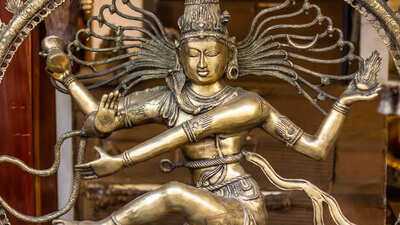
There is something deeply unusual about Shiva, something that does not fit into the neat, comforting image people often expect from divinity. He sits in cremation grounds, wears ash, destroys worlds, yet is called the most compassionate. This contradiction is not accidental. It is a reflection of truths about life that most people avoid until experience forces them to confront reality. Shiva is not just a deity to be worshipped. He is a mirror held up to existence itself.
Life Is Temporary, Whether We Accept It or Not

One of the most striking aspects of Shiva is his association with cremation grounds and ash. He is often depicted covered in ash, symbolising the final state of all material existence. This is not meant to be frightening, but deeply revealing. Everything that people spend their lives chasing eventually reduces to the same end. In Hindu thought, this imagery is intentional, reminding devotees that attachment to temporary things leads to suffering. Shiva’s presence in places of death reflects the truth that destruction is not separate from life, but an essential part of it. Most people spend years denying this reality. They seek permanence in relationships, success, and identity. Shiva’s lesson is simple yet uncomfortable. Accept impermanence early, and life becomes lighter.
Destruction Is Not the Enemy, It Is Renewal
Shiva is known as the destroyer within the cosmic framework, but this destruction is not negative. It is necessary. Without destruction, nothing new can emerge. Old patterns, outdated identities, and stagnant systems must dissolve for growth to happen. In Hindu philosophy, Shiva’s role is to bring dissolution so that creation can begin again, making destruction part of a continuous cycle rather than an end. People often resist change because it feels like loss. But what Shiva represents is transformation. What breaks in your life is not always meant to harm you. Sometimes, it is clearing space.
True Strength Is Silent, Not Loud
Unlike many powerful figures in mythology, Shiva is often shown in deep meditation, detached from the world, sitting in stillness. This image carries a profound message. Strength does not always need to announce itself. Shiva is described as the archetypal ascetic, someone who withdraws from noise and finds power in awareness rather than action. In modern life, where everything is about visibility and validation, this lesson feels counterintuitive. Yet the ability to remain calm, focused, and unaffected by chaos is a deeper form of power that most people only understand after experiencing instability.
You Cannot Escape Pain, But You Can Understand It
Shiva does not avoid what is uncomfortable. He sits where others fear to go. He embraces what society rejects. This symbolism reflects a fundamental truth. Avoiding pain does not remove it. It only delays it. In many traditions, Shiva is associated with confronting reality directly, even when it is harsh, rather than escaping into illusion. People spend years running from discomfort, distracting themselves with temporary relief. But growth often begins where avoidance ends. Shiva’s life suggests that facing pain with awareness transforms it into insight.
Letting Go Is More Powerful Than Holding On
Attachment is one of the central causes of suffering in Hindu philosophy. Shiva, as a renunciate, represents complete detachment. He owns nothing, yet lacks nothing. This does not mean abandoning life, but understanding that clinging creates fear. When you hold too tightly to outcomes, people, or identity, you become dependent on them for stability. Shiva’s detachment shows that freedom comes not from controlling everything, but from not needing to. This is a lesson most people only realise after experiencing loss.
You Do Not Need Society’s Approval to Be Complete
Shiva stands outside conventional norms. He is described as unpredictable, living beyond social structures, often associated with beings and places that society rejects. This aspect of Shiva challenges a deeply ingrained human tendency. The need to be accepted, validated, and approved. Most people shape their lives around external expectations. Shiva’s existence suggests something radical. Completeness does not come from fitting in. It comes from understanding yourself beyond external definitions.
Opposites Can Coexist Within You
Perhaps the most profound lesson Shiva offers is that contradictions can exist together. He is both destroyer and protector. Fierce and compassionate. Detached yet deeply involved. This reflects a deeper philosophical truth. Life is not always either or. It is often both. In Hindu thought, Shiva embodies multiple roles simultaneously, showing that reality is complex and layered rather than simple and linear. Most people spend years trying to resolve contradictions within themselves, choosing one identity over another. Shiva’s existence suggests that integration, not elimination, is the path to wholeness.
Conclusion: The Lessons We Realise Only With Time
The lessons associated with Shiva are not easy. They are not comforting in the usual sense. They challenge assumptions, confront fears, and dissolve illusions. That is why they are often understood late. But once understood, they change how life is seen. They shift focus from control to acceptance, from fear to awareness, from attachment to clarity. Shiva does not teach through instruction. He teaches through symbolism, through presence, and through the quiet reminder that reality does not change based on what we prefer to believe. And perhaps that is why his lessons stay, long after everything else fades.
Explore the latest trends and tips in Health & Fitness, Spiritual, Travel, Life Hacks, Trending, Fashion & Beauty, and Relationships at Times Life!
Contact to : xlf550402@gmail.com
Copyright © boyuanhulian 2020 - 2023. All Right Reserved.