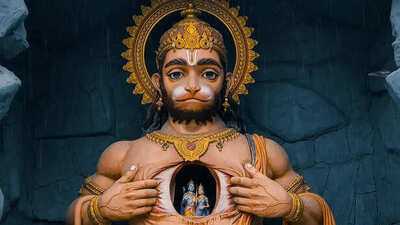
There are certain days in the Hindu calendar that carry a quiet yet undeniable intensity, where devotion feels deeper, rituals feel more meaningful, and faith seems to resonate with unusual strength, and Bada Mangal is one such observance that stands apart. Dedicated to Hanuman, Bada Mangal is observed on Tuesdays during the Hindu month of Jyeshtha, and in 2026, it begins on May 5, marking a period that many devotees consider especially powerful for seeking strength, protection, and divine grace. While Hanuman is worshipped throughout the year, Bada Mangal holds a unique place that goes beyond routine devotion, carrying layers of cultural, spiritual, and symbolic meaning that have evolved over centuries.
What Is Bada Mangal and Why It Is Observed
Bada Mangal, also known as Budhwa Mangal in some regions, is primarily celebrated in parts of North India, especially in Uttar Pradesh and surrounding areas, where Hanuman devotion is deeply rooted in daily life. Unlike major festivals that are tied to a single date, Bada Mangal unfolds across multiple Tuesdays, each one seen as an opportunity to deepen one’s connection with Hanuman.
The observance typically involves fasting, visiting temples, offering prasad, and participating in community activities such as distributing food and water, especially during the intense summer heat of Jyeshtha. This connection between devotion and service is central to the spirit of Bada Mangal, reflecting Hanuman’s own qualities of humility, strength, and selfless action.
Why Tuesdays Become Spiritually Significant

Tuesday, or Mangalwar, has long been associated with Hanuman worship in Hindu tradition. The connection is both symbolic and devotional. Hanuman is often invoked on this day as a protector, a remover of obstacles, and a source of courage. During Bada Mangal, this weekly significance is amplified, turning each Tuesday into a focused period of heightened spiritual activity.
Many devotees believe that prayers offered on these Tuesdays carry greater intensity, not because the divine changes, but because the collective energy of devotion becomes stronger. Temples dedicated to Hanuman witness larger gatherings, longer rituals, and a sense of shared purpose that transforms the day into something more than a routine observance.
The Deeper Spiritual Meaning Behind Bada Mangal
To understand why Bada Mangal is considered powerful, it is important to look beyond rituals and into symbolism. Hanuman represents strength, but not just physical strength. He embodies mental clarity, unwavering devotion, and the ability to remain grounded even in the face of overwhelming challenges.
During Bada Mangal, devotees are not only seeking blessings, but also aligning themselves with these qualities. The act of fasting is seen as a way to discipline the body and mind. The act of service, such as distributing food or helping others, reflects Hanuman’s selfless nature. In this way, the observance becomes less about asking and more about becoming.
Why Bada Mangal 2026 Feels Especially Relevant
In 2026, as Bada Mangal begins on May 5 and continues through the Tuesdays of Jyeshtha, its relevance feels particularly strong in the context of modern life. In a time marked by constant pressure, uncertainty, and rapid change, the qualities associated with Hanuman feel more necessary than ever. Devotees often turn to Hanuman during difficult periods, seeking not just solutions, but resilience. Bada Mangal offers a structured opportunity to reconnect with that sense of inner strength, to step away from distraction, and to engage in practices that promote clarity and balance.
A Tradition That Blends Faith and Community
One of the most distinctive aspects of Bada Mangal is how it brings together personal devotion and collective action. Across cities and towns, people organise community kitchens, distribute water to passersby, and create spaces where anyone can participate, regardless of background. This aspect of shared service transforms the observance into something larger than individual practice. It reflects a deeper truth about Hanuman devotion, which is not confined to prayer alone, but expressed through action, compassion, and connection with others.
Conclusion: More Than a Day, A Living Expression of Devotion
Bada Mangal is not just about marking Tuesdays on a calendar. It is about entering a rhythm of devotion that combines discipline, service, and inner reflection. It reminds devotees that strength is not only about overcoming external challenges, but also about cultivating clarity and resilience within. As Bada Mangal 2026 unfolds from May 5, it offers more than rituals and traditions. It offers an opportunity to experience devotion in a way that feels active, relevant, and deeply human. And perhaps that is why it continues to hold such power, not just as a religious observance, but as a meaningful expression of faith in everyday life.
Unlock insightful tips and inspiration on personal growth, productivity, and well-being. Stay motivated and updated with the latest at My Life XP.
Contact to : xlf550402@gmail.com
Copyright © boyuanhulian 2020 - 2023. All Right Reserved.